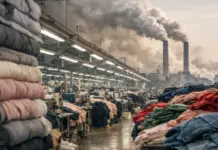

















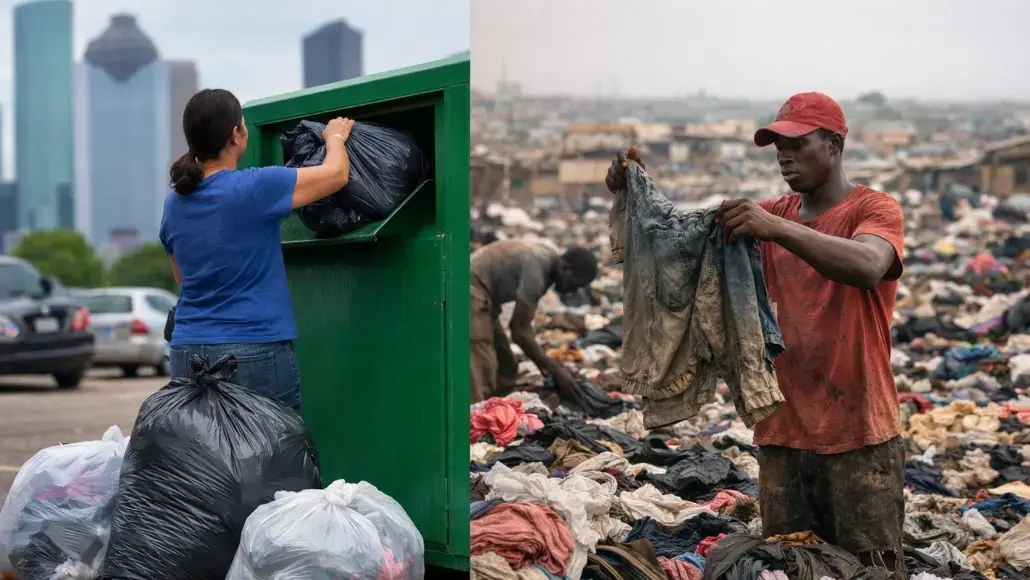
Every weekend in major metropolitan hubs like Houston, residents clear out their closets. Bags filled with apparel and footwear are dropped into neighborhood collection bins and charitable centers, driven by the hope that these items will find a second life. However, a significant portion of these items does not remain within local borders. Instead, they embark on a journey spanning more than 6,000 miles to West Africa, specifically Ghana, where a massive influx of discarded garments has triggered a severe environmental and economic challenge known as the global textile waste crisis.
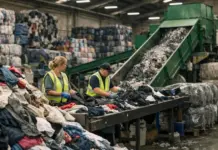
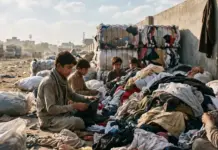
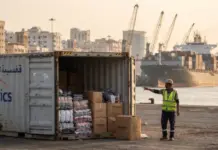
The scale of this issue is immense. Every week, approximately 15 million pieces of secondhand clothing arrive in Ghana from Western nations, including the United States, the United Kingdom, and Australia. These garments are shipped in tightly compressed bales and sent to major resale centers like the Kantamanto Market in Accra. While this market serves as an economic hub, it is also the epicenter of an ecological struggle, as the volume of clothing far exceeds the local demand and the capacity for waste management.
Environmental Realities of the Secondhand Clothing Industry
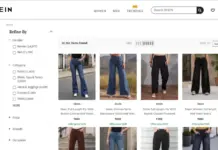
The secondhand clothing industry operates as a complex global supply chain. In 2023, the United States exported more than $1.09 billion worth of used apparel. Once these items reach international shores, importers purchase the large bales without prior knowledge of the quality of the contents. Unfortunately, the rise of fast fashion waste has led to a significant decline in the quality of these shipments. Many items are made from low-grade synthetic materials that are not designed for longevity.
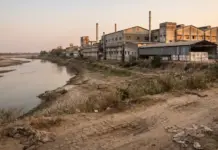
The environmental consequences in Ghana are visible along the coastline and within urban infrastructure. Reports indicate that discarded textiles are clogging essential waterways and washing onto beaches, where they become embedded in the sand. Synthetic fibers, such as polyester and nylon, do not biodegrade, and the dyes used in inexpensive production processes frequently leach into the Atlantic Ocean. This contamination affects local fishing industries and marine life, turning what was once a pristine environment into a site of ecological concern.
The Impact on Local Infrastructure and Economy
The clothing donation impact extends beyond environmental damage; it also places a heavy burden on local municipalities. In Accra, waste management officials have reported that the city cannot keep up with the volume of textile waste. Over the last decade, several legal landfills reached full capacity and were forced to close. It is estimated that only about 30% of the textile waste generated at the markets can be effectively transported to official dump sites. The remaining 70% often ends up in drainage systems or the sea.
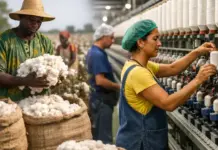
This crisis also impacts the local economy. In Ghana, these imported goods are often referred to as “Obroni W’awu,” which translates to “dead white man’s clothes.” While these imports provide some employment, the sheer volume of cheap, discarded fashion has historically undercut the local textile and garment manufacturing industries. Furthermore, Ghanaian merchants often take on financial debt to purchase clothing bales that may contain up to 40% unusable waste, leading to significant financial losses for small-scale vendors.
Moving Toward Sustainable Fashion and Responsible Giving
Addressing the textile waste crisis requires a fundamental shift in how consumers approach apparel. The myth that every donated item is helpful is being replaced by the reality that many items are simply too damaged or poor in quality to be reused. Industry experts and community advocates suggest that meaningful change begins with consumer behavior and an emphasis on sustainable fashion.
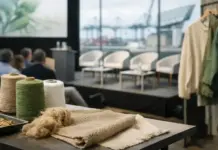
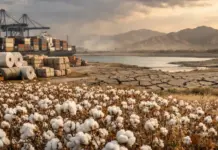
To mitigate the negative clothing donation impact, it is suggested that individuals prioritize quality over quantity. Choosing garments made from natural fibers like cotton, linen, or wool can reduce the amount of synthetic waste entering the environment. Additionally, ensuring that only clean and wearable items are donated—rather than using donation bins for items that are stained or torn—can help reduce the burden on international recipients.
Actionable Steps for Consumers
- Select higher-quality garments designed for durability rather than short-term trends.
- Repair or repurpose clothing locally whenever possible to extend its lifecycle.
- Participate in local clothing swaps to keep items within the community.
- Research textile recycling programs that can process unwearable fabrics.
The global textile waste crisis is a reminder that the lifecycle of a garment does not end when it leaves a closet. By recognizing the connection between Western consumption and international environmental health, consumers can make more informed decisions that support a more sustainable and equitable fashion ecosystem. The secondhand clothing industry remains a vital part of the global economy, but its future success depends on reducing the prevalence of fast fashion waste and improving the quality of the items sent abroad.