





























PSI 2026

The Impact of Hormuz Closure on Global Textile Trade

Note* - All images used are for editorial and illustrative purposes only and may not originate from the original news provider or associated company.

Subscribe

- Never miss a story with notifications

- Gain full access to our premium content

- Browse free from up to 5 devices at once

Media Packs

Expand Your Reach With Our Customized Solutions Empowering Your Campaigns To Maximize Your Reach & Drive Real Results!
– Access The Media Pack Now!
– Book a Conference Call
Leave Message for us to Get Back

Related stories

Fashion Trends Influencing Fabric Innovation in 2026

Emerging fashion preferences in 2026 are catalyzing unprecedented innovation in fiber development, fabric finishing, and material engineering. From advanced sustainable bio-cellulosics and smart textiles to regenerative fibers and performance-enhanced constructions, fashion-driven demand is pushing textile manufacturers to develop revolutionary materials that simultaneously address aesthetic trends and environmental imperatives.

Fashion Trends Shaping the Global Textile Landscape

The global textile industry is experiencing unprecedented transformation as fashion trends increasingly dictate material development, consumer demand patterns, and production innovations. With the market valued at USD 987.95 billion in 2024 and projected to reach USD 1,407.12 billion by 2034 at a CAGR of 3.60%, the intersection of fashion-driven trends and textile innovation is reshaping how garments are conceived, manufactured, and consumed worldwide.

Cotton Body Calls for Removal of 11% Import Duty in India

India's leading cotton trade organization has made a strong...

The Strait of Hormuz is a crucial maritime corridor through which approximately 20% of the world’s oil and liquefied natural gas (LNG) passes. Recent geopolitical tensions, particularly between Iran and the U.S., raise concerns about the potential closure of this vital route. Such a closure would have substantial implications not only for oil markets but also for the global textile trade.

The textile industry is heavily reliant on raw materials and energy resources that are transported through the Strait. If the strait were to be closed, oil prices could spike dramatically. Analysts project that oil prices might exceed $90 per barrel, leading to increased production costs across various sectors, including textiles. The International Energy Agency (IEA) emphasizes that any disruption in the Strait of Hormuz would have significant repercussions on global oil supply and prices (Forbes, 2025).

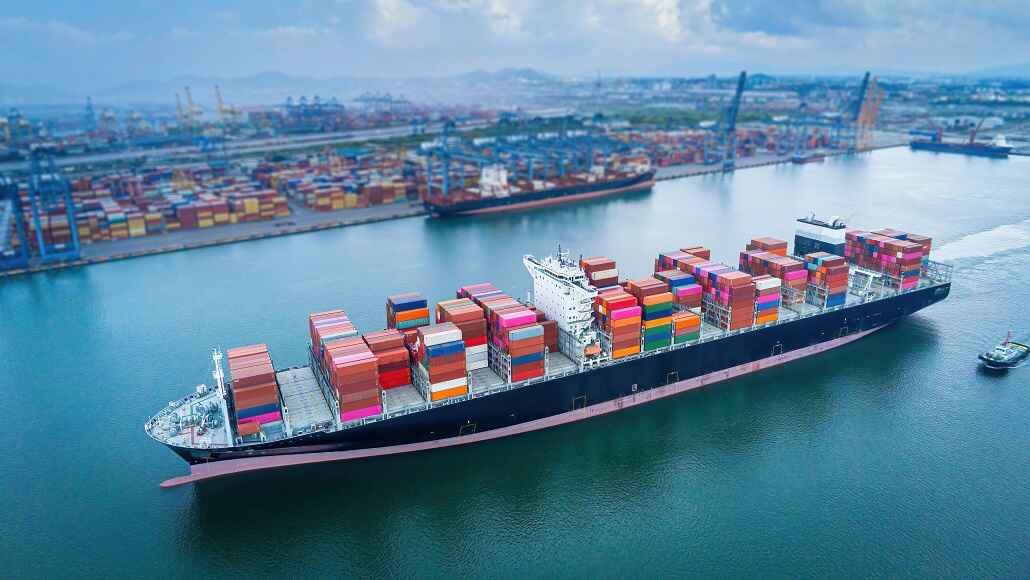
For the textile industry, this increase in oil prices would likely translate to higher transportation and manufacturing costs. Textiles are not only energy-intensive to produce but also require shipping to reach global markets. With shipping costs projected to rise, textile manufacturers may face squeezed profit margins, particularly smaller, more sustainable brands that operate on thinner margins compared to larger corporations.

Moreover, the closure could disrupt supply chains. Many textile manufacturers rely on just-in-time shipping methods to keep inventory costs low. A blockade would force companies to seek alternative supply routes or sources, which could result in delays and increased operational complexities. Countries in Southeast Asia, which are significant exporters of textiles, would particularly feel the pinch as their shipping routes are affected.

Additionally, if energy prices rise significantly, it could lead to inflation in consumer goods, including textiles. As costs are passed down the supply chain to consumers, demand may decline, particularly for non-essential or luxury textile goods. This decline may disproportionately affect emerging markets where consumers are more price-sensitive.

It is also noteworthy that the closure of the Strait could compel companies to reevaluate their sourcing strategies to include more resilient supply chains. This evaluation might accelerate shifts toward more localized production within regions less affected by geopolitical tensions.

In summary, while the immediate effects of a closure of the Hormuz Strait may seem to center around oil and gas, the ripple effects would extend to the global textile trade. Increased production costs, supply chain disruptions, and potential inflation in consumer prices could challenge manufacturers and retailers alike, highlighting the interconnected nature of global trade and energy markets.

Latest stories

Related stories

Fashion Trends Influencing Fabric Innovation in 2026

Emerging fashion preferences in 2026 are catalyzing unprecedented innovation in fiber development, fabric finishing, and material engineering. From advanced sustainable bio-cellulosics and smart textiles to regenerative fibers and performance-enhanced constructions, fashion-driven demand is pushing textile manufacturers to develop revolutionary materials that simultaneously address aesthetic trends and environmental imperatives.

Fashion Trends Shaping the Global Textile Landscape

The global textile industry is experiencing unprecedented transformation as fashion trends increasingly dictate material development, consumer demand patterns, and production innovations. With the market valued at USD 987.95 billion in 2024 and projected to reach USD 1,407.12 billion by 2034 at a CAGR of 3.60%, the intersection of fashion-driven trends and textile innovation is reshaping how garments are conceived, manufactured, and consumed worldwide.

Cotton Body Calls for Removal of 11% Import Duty in India

India's leading cotton trade organization has made a strong...

Subscribe

- Never miss a story with notifications

- Gain full access to our premium content

- Browse free from up to 5 devices at once

Media Packs

Expand Your Reach With Our Customized Solutions Empowering Your Campaigns To Maximize Your Reach & Drive Real Results!

– Access The Media Pack Now!
– Book a Conference Call
Leave Message for us to Get Back

Translate »