






























Key Takeaways
- Minimalist fashion trends emphasize quality, longevity, and timeless appeal over seasonal novelty and rapid consumption
- Neutral color palettes (beige, ivory, black, white, gray) provide versatility enabling effortless outfit combination and extended wear
- Natural fabrics including organic cotton, wool, linen, and silk dominate minimalist material selection due to durability and sustainability
- Monochromatic dressing represents minimalist trend enabling visual interest through texture and silhouette rather than color variation
- Tailored fits and structured silhouettes create polished aesthetics communicating intentional design rather than fashionable excess
- Sustainable material sourcing aligns perfectly with minimalist philosophy rejecting waste and celebrating longevity
- Minimalist accessories prioritize quality craftsmanship and timeless design over branded novelty and seasonal trends
The Philosophy Underlying Minimalist Fashion Trends
Minimalism represents philosophical rejection of consumption-driven fashion culture, asserting that fewer, higher-quality garments create superior personal style and greater environmental benefit than constant acquisition of trend-driven pieces. This philosophy directly challenges contemporary fast-fashion paradigm built on rapid product turnover and disposable aesthetics. Minimalist fashion consumers increasingly recognize that accumulating vast wardrobes creates decision fatigue, storage burden, and environmental impact while diminishing rather than enhancing personal style.
The minimalist fashion movement reflects broader societal questioning regarding materialist values and consumption-driven happiness. Contemporary consumers increasingly recognize that possessing numerous trend-aligned garments provides less satisfaction than cultivating curated wardrobes containing beloved pieces worn repeatedly across extended periods. This shift from quantity to quality fundamentally changes fashion’s relationship to textiles, color, and design—prioritizing durability, timelessness, and versatility over temporary aesthetic appeal.
Minimalist fashion trends demonstrate that sophisticated style emerges through restraint rather than accumulation. Contemporary fashion consumers increasingly appreciate understated elegance communicating confidence through simplicity rather than advertising status through brand visibility or visual excess. This represents significant departure from fashion conventions where maximum impact and conspicuous display previously dominated luxury and fashionable positioning.
The Neutral Color Palette and Strategic Minimalism
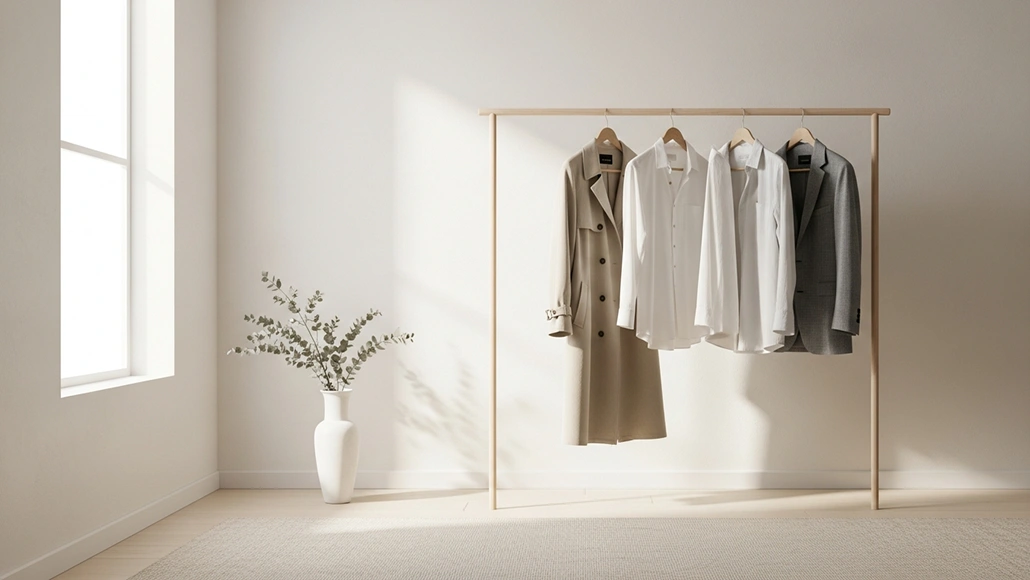
Minimalist fashion’s signature neutral color palette—beige, ivory, white, black, gray, charcoal, taupe—creates foundation enabling endless outfit combinations while maintaining visual coherence. Rather than viewing neutral tones as boring or limiting, minimalist practitioners recognize that restriction to harmonious color families enables sophisticated simplicity. Strategic color selection within carefully limited palettes creates polished, intentional aesthetic impossible to achieve through unlimited color options and casual combination.
Neutral color selections extend beyond wardrobe to strategic accessory and footwear choices. Black boots and white sneakers provide foundation pieces functioning across seasonal changes and occasions. Quality leather bags in neutral tones serve as investment pieces maintaining aesthetic appeal and functional value across years rather than seasons. This approach to color selection reflects minimalist commitment to longevity and versatility.
Monochromatic dressing—selecting garments within single color family or tone—represents powerful minimalist trend demonstrating how visual interest emerges through texture, silhouette, and material rather than color variation. A single-color ensemble incorporating varied fabrics (linen, wool, cotton, silk), weights, and construction approaches communicates sophisticated design understanding while maximizing outfit versatility. Materials visible within limited color palettes receive greater attention, with consumers appreciating subtle texture and quality rather than bold pattern or color combination.
Natural Fabrics and Sustainable Material Selection
Minimalist fashion trends prioritize natural fibers—organic cotton, wool, linen, silk, hemp—reflecting dual commitment to durability and environmental responsibility. Natural fabrics inherently age beautifully, developing patina and character with extended wear that polyester and synthetic alternatives struggle to achieve. This aesthetic evolution aligns perfectly with minimalist philosophy—garments becoming more valued with time rather than declining as trends shift.
Organic cotton selection represents minimalist commitment to sustainability without compromise to comfort or wearability. Organic cultivation eliminates pesticide and synthetic fertilizer applications while maintaining fiber quality superior to conventional cotton. Minimalist garments constructed from organic cotton communicate environmental consciousness while delivering exceptional sensory properties ensuring extended wear and appreciation.
Wool, including merino and cashmere blends, provides thermal regulation and durability supporting extended seasonal wear. Quality wool develops subtle sheen and surface character with wear while resisting pilling and degradation. Minimalist practitioners increasingly invest in quality wool pieces recognizing that durable materials ultimately provide greater value and environmental benefit than cheaper alternatives requiring frequent replacement.
Linen represents minimalist favorite material for warm-weather garments. Natural breathability, durability, and aesthetic aging align perfectly with minimalist values. Linen’s characteristic wrinkles and relaxed drape communicate authenticity and intentional simplicity rather than requiring artificial finishing treatments maintaining pristine appearance.
Tailored Silhouettes and Architectural Design
Minimalist fashion trends emphasize tailored fits and architectural silhouettes creating polished aesthetic communicating intentional design rather than casual comfort. Structured blazers, straight-legged trousers, and carefully proportioned garments reflect minimalist commitment to timeless design transcending seasonal trends. Quality tailoring ensures proper fit across extended wear periods while maintaining aesthetic appeal despite inevitable fabric relaxation and body changes.
The minimalist emphasis on tailoring reflects recognition that proper fit dramatically influences garment longevity and wearability. Oversized and undersized pieces, regardless of material quality, fail to deliver satisfaction across extended wear. Tailored fitting accommodates various body types while creating silhouettes flattering and functional simultaneously. This practical approach to design communicates respect for wearer and commitment to garment functionality.
Architectural design elements—clean lines, subtle geometric proportions, minimal ornamentation—create visual interest without relying on applied decoration or color contrast. Quality construction becomes visible through seaming, edging, and structural detail rather than hidden within excessive layering or embellishment. This design philosophy elevates craftsmanship to primary aesthetic element.
Minimalist Accessories and Intentional Curation
Minimalist accessory selection prioritizes quality, functionality, and timeless design over branded novelty or seasonal trends. Premium leather bags, quality metal watches, and refined jewelry in metals like gold, silver, or bronze provide enduring aesthetic value complementing neutral wardrobes. Each accessory selection receives careful consideration, with pieces intended for extended use rather than seasonal rotation.
Minimalist practitioners often develop strong relationships with specific brands or artisans producing pieces aligned with their values. Rather than constantly seeking novel items, minimalist consumers invest repeatedly in proven quality and design. This loyalty supports brand sustainability while providing wearers with confidence regarding material and construction quality.
The minimalist trend toward statement accessories—single distinctive piece functioning as outfit focal point rather than multiple accessories competing for attention—demonstrates how restraint creates impact. A carefully selected scarf, remarkable bag, or distinctive shoe combination creates memorable ensembles despite neutral base clothing. This design principle illustrates how minimalist philosophy generates sophisticated style through strategic emphasis rather than visual accumulation.
The Psychology of Choice Reduction and Wardrobe Satisfaction
Psychological research increasingly supports minimalist fashion philosophy, demonstrating that reducing choices simplifies decision-making and increases satisfaction. Wardrobe curation to essential pieces eliminates “nothing to wear” dilemma despite closets full of unworn items. This practical benefit combines with psychological satisfaction of intentional ownership and environmental alignment, creating powerful motivation toward minimalist approaches.
The minimalist trend toward capsule wardrobes—limited collections of complementary pieces enabling numerous outfit combinations—reflects recognition that quality combination options exceed quantity. Thoughtful curation generates satisfaction through knowing each piece functions with others, supporting varied occasions, and reflecting personal values. This contrasts sharply with conventional fashion consumption generating closets full of pieces that fail to coordinate or address actual lifestyle needs.
Seasonal Minimalism and Year-Round Relevance
Minimalist fashion trends increasingly emphasize year-round garment utility rather than seasonal rotation. Quality basics and versatile pieces function across seasons through layering and combination rather than complete wardrobe replacement. This approach reduces consumption while recognizing changing environmental conditions through strategic material selection and construction rather than fashion novelty.
The minimalist commitment to timeless design ensures that garments remain relevant across years rather than requiring replacement as trends shift. Quality construction, neutral coloring, and classic silhouettes maintain aesthetic and functional appeal despite evolutionary changes in fashion trends. This longevity represents minimalist philosophy’s ultimate expression—ownership that transcends seasons, trends, and fashion cycles.
The Future of Minimalist Fashion
Minimalist fashion trends suggest continued growth as environmental consciousness expands and consumers increasingly question consumption-driven culture. The movement will likely evolve incorporating technological innovations—smart textiles offering functionality, digital customization enabling personal expression within minimalist framework—while maintaining core commitment to quality, durability, and intentional curation. Minimalism increasingly represents not aesthetic limitation but conscious philosophy maximizing personal satisfaction while minimizing environmental impact.