


























PSI 2026

China’s $240 Million Textile Investment in Morocco

Note* - All images used are for editorial and illustrative purposes only and may not originate from the original news provider or associated company.

Subscribe

- Never miss a story with notifications

- Gain full access to our premium content

- Browse free from up to 5 devices at once

Media Packs

Expand Your Reach With Our Customized Solutions Empowering Your Campaigns To Maximize Your Reach & Drive Real Results!
– Access The Media Pack Now!
– Book a Conference Call
Leave Message for us to Get Back

Related stories

Challenges Slowing Down Large-Scale Textile Recycling Adoption

Despite technological advances and strong market demand, large-scale textile recycling faces formidable operational, economic, logistical, and technological barriers that prevent the industry from achieving its full potential. Collection infrastructure remains fragmented, sorting costs remain high, blended fabrics present persistent technical challenges, virgin material cost advantages persist, and consumer participation rates remain suboptimal, collectively preventing textile recycling from reaching the scale necessary for meaningful circular economy transformation.

How Textile Recycling Supports Circular Fashion and Sustainable Manufacturing

Textile recycling forms the foundation of circular fashion systems, enabling closed-loop production models where materials cycle repeatedly through manufacturing, consumption, and recovery phases. By supporting sustainable material flows, reducing reliance on virgin resource extraction, and enabling eco-conscious product development, textile recycling transforms fashion from extractive linear models into regenerative circular systems that minimize environmental impact while creating economic value through material reuse and resource efficiency.

Innovations Transforming Textile Recycling Technologies in 2026

The textile recycling sector is experiencing a technological revolution driven by cutting-edge innovations in chemical depolymerization, fiber regeneration, automated sorting systems, and advanced blending solutions. These technological breakthroughs are transitioning textile recycling from experimental laboratory-scale operations to commercial viability, enabling the industry to process complex waste streams including blended fabrics, contaminated textiles, and historically challenging material combinations with unprecedented efficiency and output quality.

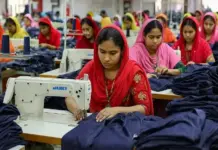
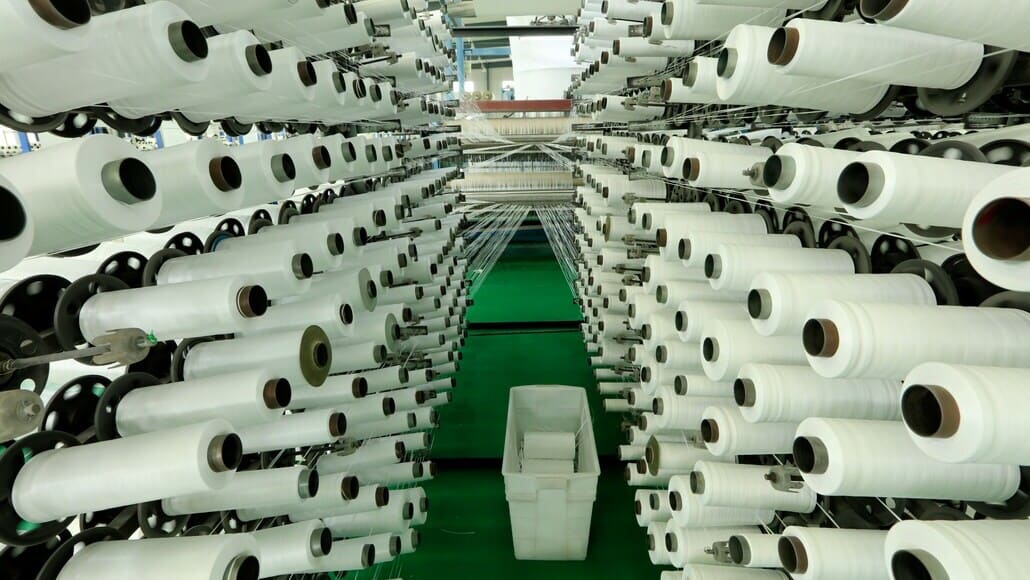
Following the agreement on the projects in Rabat, China’s Sunrise Group will invest 2.3 billion dirhams (~$240 million) to establish two textile mills in Morocco, the Moroccan government has stated.

Rising Sun’s initial manufacturing locations in Morocco, the plants in Fez and Skhirate, close to Rabat, are estimated to generate 7,000 direct and over 1,500 indirect jobs.

The prime minister’s office of Morocco said in a statement that they will create yarn, textiles, and clothing to assist Moroccan producers in meeting worldwide orders without middlemen and so help to lower logistical costs. The initiatives will also enable a coordinated supply chain development.

Mostly, Morocco sends its textile goods to Europe.

According to domestic media sources, the government further claimed that the project complements Morocco’s larger plan to boost its industrial sector and enhance its leadership in regional textile manufacture.

Latest stories

Related stories

Challenges Slowing Down Large-Scale Textile Recycling Adoption

Despite technological advances and strong market demand, large-scale textile recycling faces formidable operational, economic, logistical, and technological barriers that prevent the industry from achieving its full potential. Collection infrastructure remains fragmented, sorting costs remain high, blended fabrics present persistent technical challenges, virgin material cost advantages persist, and consumer participation rates remain suboptimal, collectively preventing textile recycling from reaching the scale necessary for meaningful circular economy transformation.

How Textile Recycling Supports Circular Fashion and Sustainable Manufacturing

Textile recycling forms the foundation of circular fashion systems, enabling closed-loop production models where materials cycle repeatedly through manufacturing, consumption, and recovery phases. By supporting sustainable material flows, reducing reliance on virgin resource extraction, and enabling eco-conscious product development, textile recycling transforms fashion from extractive linear models into regenerative circular systems that minimize environmental impact while creating economic value through material reuse and resource efficiency.

Innovations Transforming Textile Recycling Technologies in 2026

The textile recycling sector is experiencing a technological revolution driven by cutting-edge innovations in chemical depolymerization, fiber regeneration, automated sorting systems, and advanced blending solutions. These technological breakthroughs are transitioning textile recycling from experimental laboratory-scale operations to commercial viability, enabling the industry to process complex waste streams including blended fabrics, contaminated textiles, and historically challenging material combinations with unprecedented efficiency and output quality.

Subscribe

- Never miss a story with notifications

- Gain full access to our premium content

- Browse free from up to 5 devices at once

Media Packs

Expand Your Reach With Our Customized Solutions Empowering Your Campaigns To Maximize Your Reach & Drive Real Results!

– Access The Media Pack Now!
– Book a Conference Call
Leave Message for us to Get Back

Translate »