
























According to a recent report by the Boston Consulting Group (BCG), the foundation of Europe’s textile waste management system—the infrastructure for collection and sorting—is facing significant challenges. The report, titled “Textile Waste at a Tipping Point: Unlocking Europe’s Circular Potential,” highlights that several key players are halting operations or entering bankruptcy, leading to systemic breakdowns in the textile waste management sector.
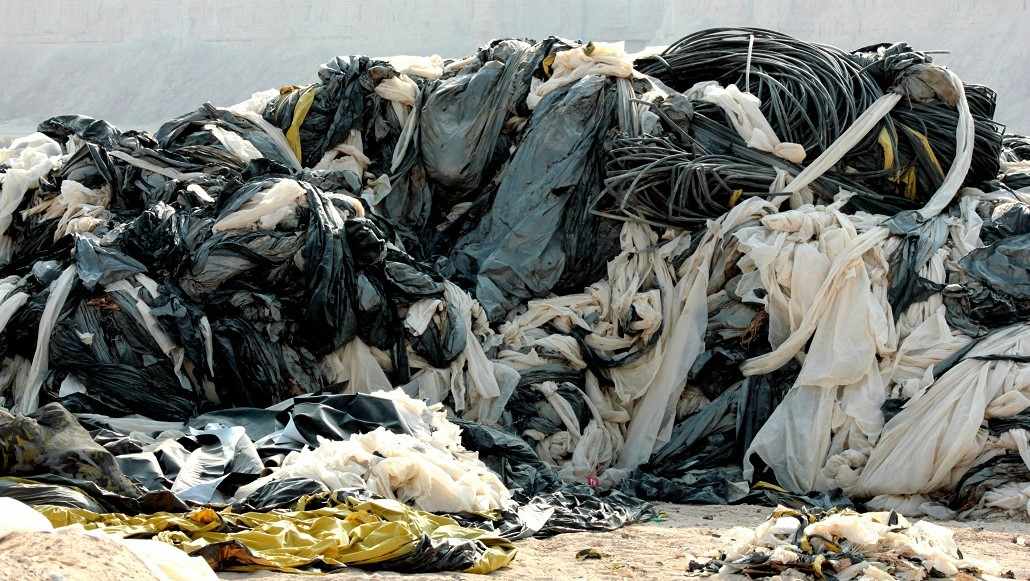
In France, the social enterprise Le Relais announced a complete suspension of its textile collection operations in mid-2025, resorting to unloading unsorted waste outside major retailers to protest inadequate funding. The organization has warned that without immediate financial assistance, it may not be able to continue beyond the end of the year.
Similarly, smaller collection agencies are quietly shutting down. In Germany, two significant collectors, SOEX and Texaid, declared insolvency in October 2024 and June 2025, respectively, as they grappled with failing export markets and rising costs associated with sorting textiles.
In the United Kingdom, the situation is equally dire, with closures and layoffs impacting textile recycling companies, including Textile Recycling International, which went into administration in early 2024. The Textile Recycling Association has raised alarms about a potential “sector-wide collapse,” as the diminishing processing capacity combined with falling resale prices worsens the crisis.
The root cause of this decline is a funding shortfall; eco-organizations and public authorities are not compensating collectors adequately per tonne collected to cover their operational expenses. This shortfall is exacerbated by the saturation of second-hand markets, waste generated by fast fashion, and stricter regulations on exports.
The report warns that without urgent action, Europe’s aspirations for textile circularity may unravel.
Currently, only about 1 percent of textile waste in Europe is recycled into new textiles. The majority is either reused in second-hand markets, downcycled into lower-value products like rags or insulation, converted into solid recovered fuel (SRF), or sent to landfills or incinerators.
Landfilling of textile waste is anticipated to decline sharply by 2035; it is projected to fall from 26 percent of total textile waste in 2024 to 17 percent in 2035. This change is expected due to increasing regulatory and environmental pressures, including the EU Landfill Directive, which mandates that municipal waste landfilling must drop below 10 percent by 2035. Many countries are responding with landfill taxes and bans on certain products.
While reuse remains the most sustainable option and is supported by charity networks, resale platforms, and export opportunities, this ecosystem is under strain. The second-hand textile market in Europe is showing signs of stagnation, partly due to the rise of ultra-fast fashion and the saturation of traditional export channels.
As resale prices decline and collection costs rise, operators are experiencing shrinking profit margins coupled with growing volumes of low-quality, unsellable clothing. Furthermore, incineration, while still prevalent, is carbon-intensive and risks undermining climate goals unless mitigation strategies are implemented alongside it.