




























PSI 2026

Exploring Sustainability at Best of Bangladesh in Europe

Note* - All images used are for editorial and illustrative purposes only and may not originate from the original news provider or associated company.

Subscribe

- Never miss a story with notifications

- Gain full access to our premium content

- Browse free from up to 5 devices at once

Media Packs

Expand Your Reach With Our Customized Solutions Empowering Your Campaigns To Maximize Your Reach & Drive Real Results!
– Access The Media Pack Now!
– Book a Conference Call
Leave Message for us to Get Back

Related stories

Fashion Trends Influencing Fabric Innovation in 2026

Emerging fashion preferences in 2026 are catalyzing unprecedented innovation in fiber development, fabric finishing, and material engineering. From advanced sustainable bio-cellulosics and smart textiles to regenerative fibers and performance-enhanced constructions, fashion-driven demand is pushing textile manufacturers to develop revolutionary materials that simultaneously address aesthetic trends and environmental imperatives.

How Sustainable Materials are Redefining Modern Fashion Trends

Sustainable materials have transitioned from niche alternatives to mainstream fashion imperatives, fundamentally redefining how designers approach trend creation and consumer expectations. From organic cotton and recycled polyester to innovative bio-based fibers like mycelium and fruit-waste textiles, the adoption of eco-friendly materials represents the most significant fashion trend reshaping the apparel industry's future.

Fashion Trends Shaping the Global Textile Landscape

The global textile industry is experiencing unprecedented transformation as fashion trends increasingly dictate material development, consumer demand patterns, and production innovations. With the market valued at USD 987.95 billion in 2024 and projected to reach USD 1,407.12 billion by 2034 at a CAGR of 3.60%, the intersection of fashion-driven trends and textile innovation is reshaping how garments are conceived, manufactured, and consumed worldwide.

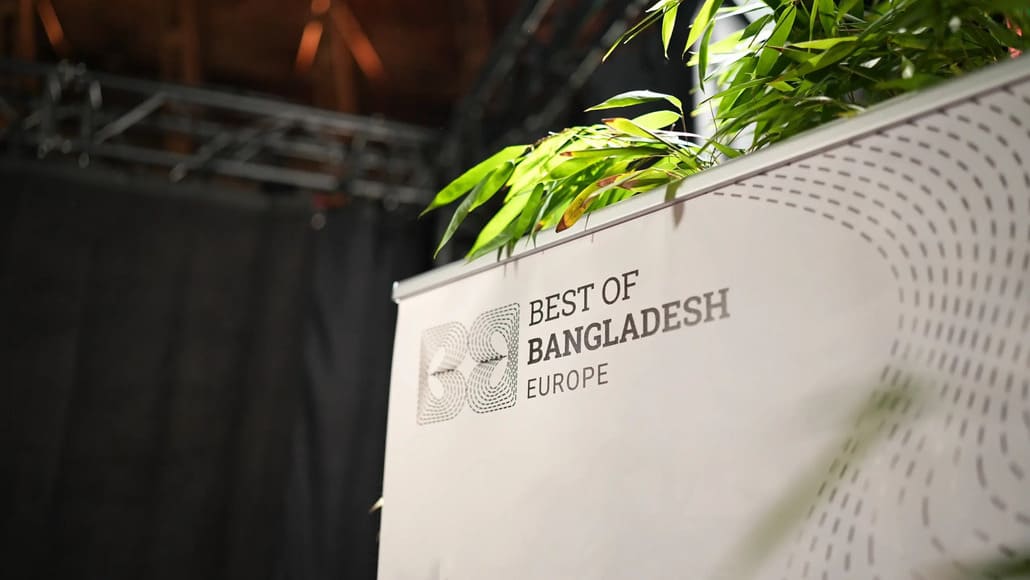
The Bangladesh Apparel Exchange (BAE) hosted the “Best of Bangladesh in Europe” event from April 17 to 18, attracting around 1,500 participants, including fashion buyers, investors, and various stakeholders from Europe.

The 2025 iteration of “Best of Bangladesh in Europe” showcased 32 exhibitors representing eight key sectors such as apparel, leather, jute, handicrafts, IT, agro-food, poultry, and seeds. This event served as a vital platform for Bangladeshi companies to establish connections with international partners, emphasizing the sustainable fashion global impact.

Notable exhibitors included Delmas Apparels, Knit Asia, Shin Shin Apparels, Simco Spinning & Textiles, Noize Jeans, PDS Limited, Paddock’s Jeans, Pacific Knit Division, and Aus Bangla Jutex.

The first day featured two panel discussions focused on “Bangladesh: Overarching Economic Growth and Investment Opportunities” and “Bangladesh into Future: A Global Sourcing Hub,” highlighting the importance of the sustainable fashion global impact.

Additional highlights comprised a presentation about Bangladesh by City Bank, alongside a fireside chat titled “Opportunities for Action – Driving a Just Transition in Bangladesh” by Laudes Foundation, which provided insights into the Bangladesh Poultry Industry.

Chowdhury Ashik Mahmud Bin Harun, the executive chairman of the Bangladesh Investment Development Authority, remarked: “Everything is not perfect in Bangladesh but there is a positive thing also. We can draw an ambition and vision for Bangladesh and try to solve many problems that we can. We can prioritise the key challenges for trade investments. We have already taken initiatives towards the ambition. One is ‘Green channel’ which is a trade that facilitates faster processes for businesses. And another one is the ‘One-stop service’ which is a classic business model for trade investment. And also, our ambition is to make Bangladesh a global manufacturing hub. We have skilled young people, geographical locations for business.”

The event received support from PDS Limited, in partnership with City Bank and KDS Group, and had backing from the Ministry of Foreign Affairs and the Bangladesh Investment Development Authority (Bida).

This year’s edition also garnered support from various organizations, including Fair Wear Foundation, Dutch Greenhouse Delta, Fashion for Good, European Union, Clean & Unique, Circle Economy, Netherlands Enterprise Agency (RVO), Apparel Impact Institute, Ethical Trading Initiative, Social and Labor Convergence Program (SLCP), Cascale, Netherlands Food Partnership, Export Partner, OneTrueValue, SeedNL, and YY Ventures.

Charles Whiteley, head of the European External Action Service South Asia Division, stated: “Bangladesh has made remarkable progress over the years. The ready-made garment sector is a real powerhouse for the economy in Bangladesh. The EU is the largest partner of Bangladesh. Bangladesh has all the ingredients to diversify its exports; these include a skilled workforce, young people, competitive wages, innovations, improving infrastructures, digitalisation, and its location at the Bay of Bengal. The EU will continue to support Bangladesh; to reform Bangladesh, we have been a long-standing partner on labor rights through the national action plan in labor sectors in Bangladesh.”

Latest stories

Related stories

Fashion Trends Influencing Fabric Innovation in 2026

Emerging fashion preferences in 2026 are catalyzing unprecedented innovation in fiber development, fabric finishing, and material engineering. From advanced sustainable bio-cellulosics and smart textiles to regenerative fibers and performance-enhanced constructions, fashion-driven demand is pushing textile manufacturers to develop revolutionary materials that simultaneously address aesthetic trends and environmental imperatives.

How Sustainable Materials are Redefining Modern Fashion Trends

Sustainable materials have transitioned from niche alternatives to mainstream fashion imperatives, fundamentally redefining how designers approach trend creation and consumer expectations. From organic cotton and recycled polyester to innovative bio-based fibers like mycelium and fruit-waste textiles, the adoption of eco-friendly materials represents the most significant fashion trend reshaping the apparel industry's future.

Fashion Trends Shaping the Global Textile Landscape

The global textile industry is experiencing unprecedented transformation as fashion trends increasingly dictate material development, consumer demand patterns, and production innovations. With the market valued at USD 987.95 billion in 2024 and projected to reach USD 1,407.12 billion by 2034 at a CAGR of 3.60%, the intersection of fashion-driven trends and textile innovation is reshaping how garments are conceived, manufactured, and consumed worldwide.

Subscribe

- Never miss a story with notifications

- Gain full access to our premium content

- Browse free from up to 5 devices at once

Media Packs

Expand Your Reach With Our Customized Solutions Empowering Your Campaigns To Maximize Your Reach & Drive Real Results!

– Access The Media Pack Now!
– Book a Conference Call
Leave Message for us to Get Back

Translate »