
































The International Textile Manufacturers Federation (ITMF) and the International Apparel Federation (IAF) recently concluded their second joint conference in Indonesia, where industry leaders engaged in critical discussions surrounding the ongoing challenges facing the apparel sector.
Hosted in partnership with the Indonesian Textile Association (API), the event attracted over 400 delegates from various segments of the global textile and apparel value chain.
The conference featured a comprehensive agenda, emphasizing high-level discussions on pivotal topics affecting the apparel sector, including technology adoption, regulatory changes, fiber innovation, reducing audit fatigue, decarbonization, artificial intelligence applications, and the transformation of Indonesia’s textile industry.
Participants were treated to a showcase of sustainability innovation and collaboration, highlighted by the annual ITMF Awards honoring outstanding contributions to the sector.
Delegates enjoyed a gracious welcome from the Sultan of Yogyakarta during a prestigious opening dinner, while the Gala Dinner, set against the breathtaking backdrop of the Prambanan Temple, provided an excellent networking opportunity. This special evening also marked the beginning of new terms for ITMF President Juan Parés and IAF President Stefano Festa Marzotto.
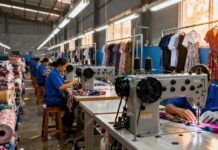
Throughout the conference, delegates participated in several company visits that highlighted Indonesia’s textile and apparel ecosystem, touring facilities such as PT Dan Liris, PT Pan Brothers, PT Ambassador Garmindo, Gallery Batik Jawa, PT Golden Tekstil Indonesia (GTI), and PT Ungaran Sari Garment. These excursions aimed to provide insights into the country’s strengths in manufacturing excellence, innovation capabilities, and dedication to sustainability.
IAF and ITMF expressed appreciation for the support from the Indonesian Textile Association (API), as well as PT Dan Liris and PT Pan Brothers, which all contributed to showcasing Indonesia’s vibrant and forward-looking apparel sector.
Conference discussions revolved around navigating various apparel sector challenges, including U.S. tariffs, supply chain disruptions, and the increasing pressure to meet stringent sustainability requirements.
Industry leaders sent a clear message: sustainability and decarbonization are essential components of competitiveness in the apparel sector. The consensus was that the industry must fundamentally transform around low-carbon growth, adopt circular production practices, and ensure equitable value distribution within the supply chain.