





























PSI 2026

Lenzing Reports Strong Q1 Growth Amid Market Challenges

Note* - All images used are for editorial and illustrative purposes only and may not originate from the original news provider or associated company.

Subscribe

- Never miss a story with notifications

- Gain full access to our premium content

- Browse free from up to 5 devices at once

Media Packs

Expand Your Reach With Our Customized Solutions Empowering Your Campaigns To Maximize Your Reach & Drive Real Results!
– Access The Media Pack Now!
– Book a Conference Call
Leave Message for us to Get Back

Related stories

The Environmental Benefits and Carbon Savings of Textile Recycling

Textile recycling delivers substantial and quantifiable environmental benefits spanning carbon emission reduction, water conservation, chemical usage elimination, and resource preservation. Comprehensive lifecycle assessment data demonstrates that fiber-to-fiber textile recycling achieves 87% carbon reduction compared to virgin polyester production, eliminates 99% of water consumption compared to virgin cotton cultivation, and reduces chemical usage dramatically across production stages. These environmental advantages compound across material cycles, creating cumulative environmental benefit justifying aggressive circular textile system scaling as critical climate change mitigation and environmental protection strategy.

How Textile Recycling Supports Sustainable Fashion Trends and Market Shifts

Textile recycling is fueling emerging sustainable fashion movements and accelerating market shifts toward circular business models as consumer preferences increasingly prioritize environmental impact alongside style and quality. Generational preference evolution, regulatory momentum, brand sustainability positioning, and genuine circular product availability are converging to reshape fashion industry toward sustainable and circular models. Textile recycling infrastructure and technology advancement directly enables these market shifts by providing the material foundation necessary for authentic circular fashion transition at scale.

The Global Rise of Textile Recycling and Its Impact on the Apparel Industry

The global textile recycling market is experiencing unprecedented growth, projected to reach USD 11.88 billion by 2030 from USD 8.41 billion in 2025, representing a 7.2% compound annual growth rate. This transformation is reshaping apparel manufacturing, sourcing strategies, sustainability commitments, and long-term fashion industry models as brands, retailers, and manufacturers increasingly recognize that circular economy principles are not optional but essential for competitive survival and regulatory compliance.

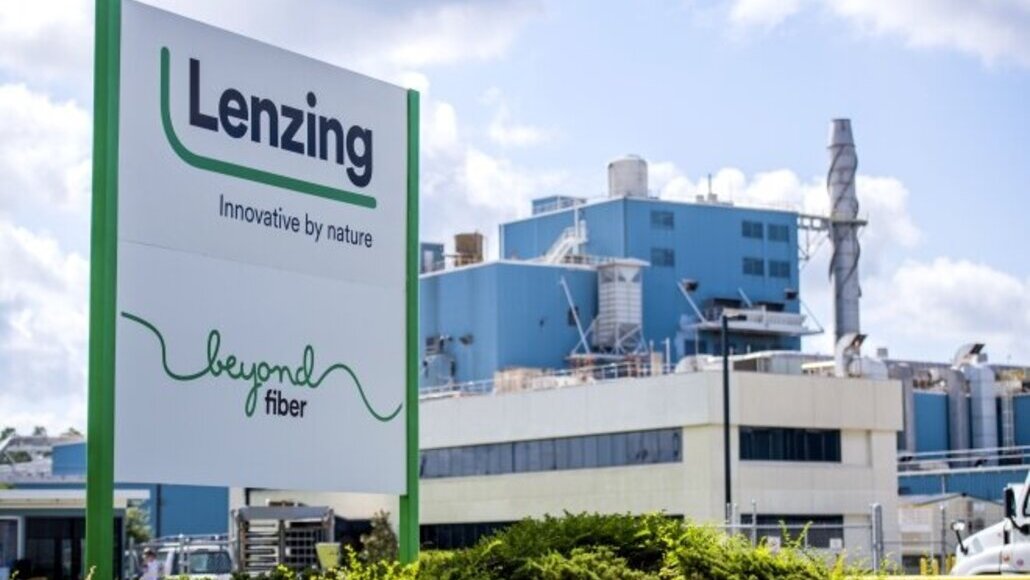
The Lenzing Group, a leading producer of regenerated cellulosic fibers for the textile and nonwovens industries, reported a strong performance in the first quarter of 2025 despite slow and uneven recovery across global textile markets. While sales volumes remained on an upward trajectory, prices have stayed persistently low, and costs for raw materials, energy, and logistics remain elevated.

In the first quarter of 2025, Lenzing’s revenue rose by 4.8% year-on-year, reaching EUR 690.2 million ($773.0 million). The company’s earnings growth was driven by its performance program, with EBITDA soaring by 118.8% to EUR 156.1 million ($174.8 million). This increase includes positive special effects, such as EUR 25.5 million from surplus EU emission certificate sales and EUR 9.2 million from changes in the fair value of biological assets. The EBITDA margin improved significantly from 10.8% to 22.6%. Additionally, the EBIT rose to EUR 74.3 million (compared to EUR 1.5 million in Q1 2024), with the EBIT margin climbing from 0.2% to 10.8%. Earnings before tax (EBT) reached EUR 35.1 million, reversing the EUR 17.8 million loss from the same period last year, while the result after tax improved to EUR 31.7 million, marking the company’s first positive after-tax result since Q3 2022.

“The Lenzing Group continued on its recovery track in the first quarter of 2025 and achieved significant revenue and earnings growth thanks to our performance program,” said Rohit Aggarwal, Lenzing Group CEO.

“Uncertainty in the markets and – as a consequence – limited earnings visibility have been further exacerbated by an increasingly aggressive tariffs policy. For this reason, we will not ease up on resolutely implementing the measures we have initiated, in order to complete our turnaround and further strengthen our position as a leading integrated fiber company.”

The performance program is designed to enhance Lenzing’s resilience to market crises while improving profitability and cash flow. The program has already led to savings of over EUR 130 million in 2024, with the company targeting recurring annual cost savings of more than EUR 180 million beginning this year. Under the program, Lenzing is expanding into smaller markets and acquiring new customers for its key fiber types, which has positively impacted revenue. Extensive cost-saving measures and improved sales activities remain central to the company’s strategy.

Operating cash flow stood at EUR 47.1 million in Q1 2025, down from EUR 120.7 million in Q1 2024. Investing activities resulted in a cash outflow of EUR 36.1 million, and free cash flow was positive at EUR 14.5 million, though it declined from EUR 87.3 million last year. Financing activities saw a cash outflow of EUR 19 million in Q1 2025, compared to EUR 11.1 million in Q1 2024. Liquid assets slightly decreased by 2.6% compared to the end of 2024, totaling EUR 439.9 million as of March 31, 2025. Capital expenditure (CAPEX) on intangible assets, property, plant, equipment, and biological assets was slightly reduced to EUR 32.7 million from EUR 33.4 million in Q1 2024, reflecting Lenzing’s focus on maintenance and essential projects.

Latest stories

Related stories

The Environmental Benefits and Carbon Savings of Textile Recycling

Textile recycling delivers substantial and quantifiable environmental benefits spanning carbon emission reduction, water conservation, chemical usage elimination, and resource preservation. Comprehensive lifecycle assessment data demonstrates that fiber-to-fiber textile recycling achieves 87% carbon reduction compared to virgin polyester production, eliminates 99% of water consumption compared to virgin cotton cultivation, and reduces chemical usage dramatically across production stages. These environmental advantages compound across material cycles, creating cumulative environmental benefit justifying aggressive circular textile system scaling as critical climate change mitigation and environmental protection strategy.

How Textile Recycling Supports Sustainable Fashion Trends and Market Shifts

Textile recycling is fueling emerging sustainable fashion movements and accelerating market shifts toward circular business models as consumer preferences increasingly prioritize environmental impact alongside style and quality. Generational preference evolution, regulatory momentum, brand sustainability positioning, and genuine circular product availability are converging to reshape fashion industry toward sustainable and circular models. Textile recycling infrastructure and technology advancement directly enables these market shifts by providing the material foundation necessary for authentic circular fashion transition at scale.

The Global Rise of Textile Recycling and Its Impact on the Apparel Industry

The global textile recycling market is experiencing unprecedented growth, projected to reach USD 11.88 billion by 2030 from USD 8.41 billion in 2025, representing a 7.2% compound annual growth rate. This transformation is reshaping apparel manufacturing, sourcing strategies, sustainability commitments, and long-term fashion industry models as brands, retailers, and manufacturers increasingly recognize that circular economy principles are not optional but essential for competitive survival and regulatory compliance.

Subscribe

- Never miss a story with notifications

- Gain full access to our premium content

- Browse free from up to 5 devices at once

Media Packs

Expand Your Reach With Our Customized Solutions Empowering Your Campaigns To Maximize Your Reach & Drive Real Results!

– Access The Media Pack Now!
– Book a Conference Call
Leave Message for us to Get Back

Translate »