
























Researchers from Latvia reviewing 27 studies have gone on to find out that fungi-based – mycelium insulation happens to be the most promising reuse alternative for fast-fashion waste, as Europe goes on to prepare itself for compulsory separate textile collection from 2025.
The analysis underscores the growing urgency surrounding managing the unsorted and mixed textile waste, which still goes on to dominate clothing as well as home textile disposal throughout the EU.
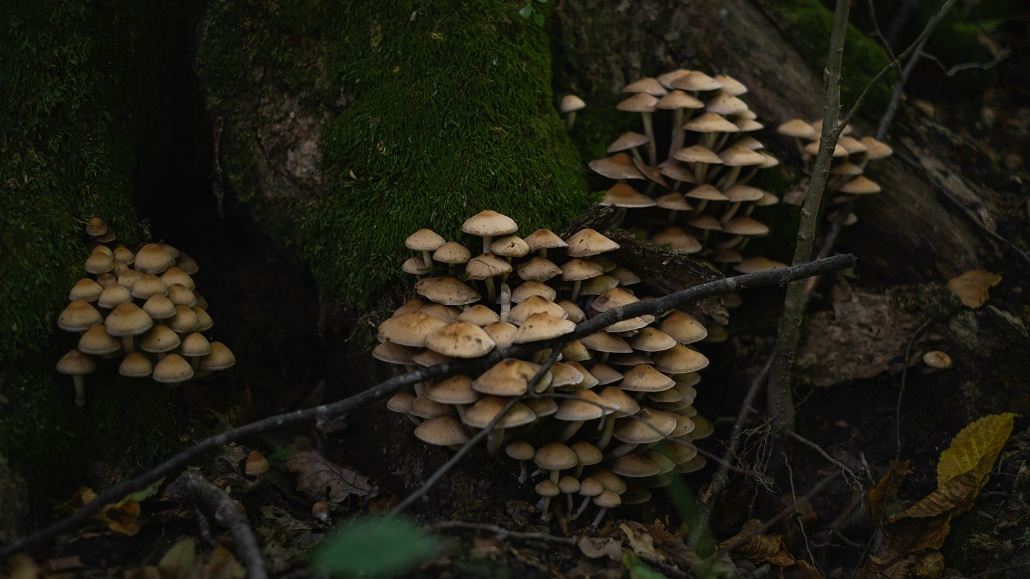
Evaluating reuse pathways against environmental, technical, and economic along with social criteria, the researchers ultimately came to a conclusion that fungi-based – mycelium insulation provide the strongest overall potential. Notably, the material can get produced through growing Pleurotus pulmonarius on a mixture of agro-industrial residues as well as ground textile waste, therefore making the process much more adaptable, relatively simpler to scale, and also economically promising vis-à-vis other recycling alternatives.
Interestingly, the textile-reinforced composites for construction went on to rank second, which were followed by the recovery of fibres and also intermediates like cotton, spandex monomers, nylon, and BHET, which could enable closing the recycling loop.
In addition to this, chemical recycling into bio-oil along with terephthalic acid demonstrated quite a solid technical readiness; however, it scored lower when it came to the environmental impact because of high emissions, remarked the European Commission in a release.
These findings are closely synced with broader European policy initiatives, such as the EU strategy in terms of sustainable and circular textiles, which looks to make sure a substantial share of textiles placed on the EU market get recycled by the end of the decade. Proposed extensions to Extended Producer Responsibility will require manufacturers to take more ownership for the entire life cycle of textile products, thereby increasing pressure so as to develop certain viable end-of-life solutions.
Although the research offers much valuable guidance on where the investment as well as the policy support might be the most effective, the authors emphasize that more work is necessary. They recommend much deeper technical testing when it comes to mycelium-based materials, in addition to more detailed economic and environmental as well as social impact evaluations, before the pilot projects or even the commercial rollouts can actually start.