






























PSI 2026

New US Tariffs Hit Textile Industry in Bangladesh Hard

Note* - All images used are for editorial and illustrative purposes only and may not originate from the original news provider or associated company.

Subscribe

- Never miss a story with notifications

- Gain full access to our premium content

- Browse free from up to 5 devices at once

Media Packs

Expand Your Reach With Our Customized Solutions Empowering Your Campaigns To Maximize Your Reach & Drive Real Results!
– Access The Media Pack Now!
– Book a Conference Call
Leave Message for us to Get Back

Related stories

Fashion Trends Influencing Fabric Innovation in 2026

Emerging fashion preferences in 2026 are catalyzing unprecedented innovation in fiber development, fabric finishing, and material engineering. From advanced sustainable bio-cellulosics and smart textiles to regenerative fibers and performance-enhanced constructions, fashion-driven demand is pushing textile manufacturers to develop revolutionary materials that simultaneously address aesthetic trends and environmental imperatives.

Fashion Trends Shaping the Global Textile Landscape

The global textile industry is experiencing unprecedented transformation as fashion trends increasingly dictate material development, consumer demand patterns, and production innovations. With the market valued at USD 987.95 billion in 2024 and projected to reach USD 1,407.12 billion by 2034 at a CAGR of 3.60%, the intersection of fashion-driven trends and textile innovation is reshaping how garments are conceived, manufactured, and consumed worldwide.

Cotton Body Calls for Removal of 11% Import Duty in India

India's leading cotton trade organization has made a strong...

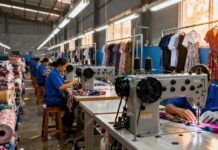
Bangladesh’s textile industry leaders have expressed serious concerns regarding the recent increase in U.S. tariffs, which have risen to 37%. This hike poses a substantial threat to the nation’s garment export market, which significantly impacts its economy. The tariffs on cotton and polyester goods could lead buyers to shift their purchases to other cost-competitive countries, creating a significant challenge for Bangladesh’s textile sector.

Rakibul Alam Chowdhury, chairman of RDM Group, a prominent manufacturer with an estimated turnover of $25 million, stated, “Buyers will go to other cost-competitive markets—this is going to be a massive blow for our industry. We will lose buyers.”

The newly imposed tariffs, announced by U.S. President Donald Trump, represent a sharp increase from the previous 16% on cotton and 32% on polyester goods. Bangladesh exports garments worth approximately $8.4 billion annually to the United States, making it the second-largest garment manufacturer in the world. With the new tariffs in place, the future of the country’s garment industry appears uncertain.

A revolution that overthrew the government in August 2024 damaged Bangladesh’s garment business; garment sector demonstrators were instrumental in this collapse.

Though yearly profits were not much lower, the months-long violence caused production to be constantly delayed.

While it had exported $38 billion the previous year, the clothing sector made $36 billion in 2024.

Latest stories

Related stories

Fashion Trends Influencing Fabric Innovation in 2026

Emerging fashion preferences in 2026 are catalyzing unprecedented innovation in fiber development, fabric finishing, and material engineering. From advanced sustainable bio-cellulosics and smart textiles to regenerative fibers and performance-enhanced constructions, fashion-driven demand is pushing textile manufacturers to develop revolutionary materials that simultaneously address aesthetic trends and environmental imperatives.

Fashion Trends Shaping the Global Textile Landscape

The global textile industry is experiencing unprecedented transformation as fashion trends increasingly dictate material development, consumer demand patterns, and production innovations. With the market valued at USD 987.95 billion in 2024 and projected to reach USD 1,407.12 billion by 2034 at a CAGR of 3.60%, the intersection of fashion-driven trends and textile innovation is reshaping how garments are conceived, manufactured, and consumed worldwide.

Cotton Body Calls for Removal of 11% Import Duty in India

India's leading cotton trade organization has made a strong...

Subscribe

- Never miss a story with notifications

- Gain full access to our premium content

- Browse free from up to 5 devices at once

Media Packs

Expand Your Reach With Our Customized Solutions Empowering Your Campaigns To Maximize Your Reach & Drive Real Results!

– Access The Media Pack Now!
– Book a Conference Call
Leave Message for us to Get Back

Translate »