





























Industry associations representing textile and apparel firms in Argentina, Brazil, and Europe are closely tracking the implementation of the Mercosur-EU Partnership Agreement, which was signed on January 17, 2026.
Organizations such as the Argentine Textile Industry Federation (FITA), the Brazilian Textile and Apparel Industry Association (ABIT), and the European Apparel and Textile Confederation (EURATEX) have declared that the Mercosur-EU Partnership Agreement is “essential” for enhancing the competitiveness of their industries across the Atlantic.
This landmark agreement establishes a free trade area between the EU’s 27 member states and four Mercosur nations—Argentina, Brazil, Uruguay, and Paraguay—by removing tariffs on more than 90% of EU exports.
In 2024, the EU engaged in trade worth €57 billion with Mercosur, making it the region’s second-largest trading partner.
In a recent joint statement, FITA, ABIT, and EURATEX expressed optimism that the strategic advantages of the Mercosur-EU Partnership Agreement will “prevail,” even as it awaits review by the Court of Justice of the European Union.
The associations highlighted that this agreement indicates a commitment to economic integration, providing predictable business regulations and fostering multilateral cooperation.
They reaffirmed their commitment to actively contributing to the successful implementation of the Mercosur-EU Partnership Agreement and to pursuing further initiatives that would strengthen both regions as vital players in global trade.
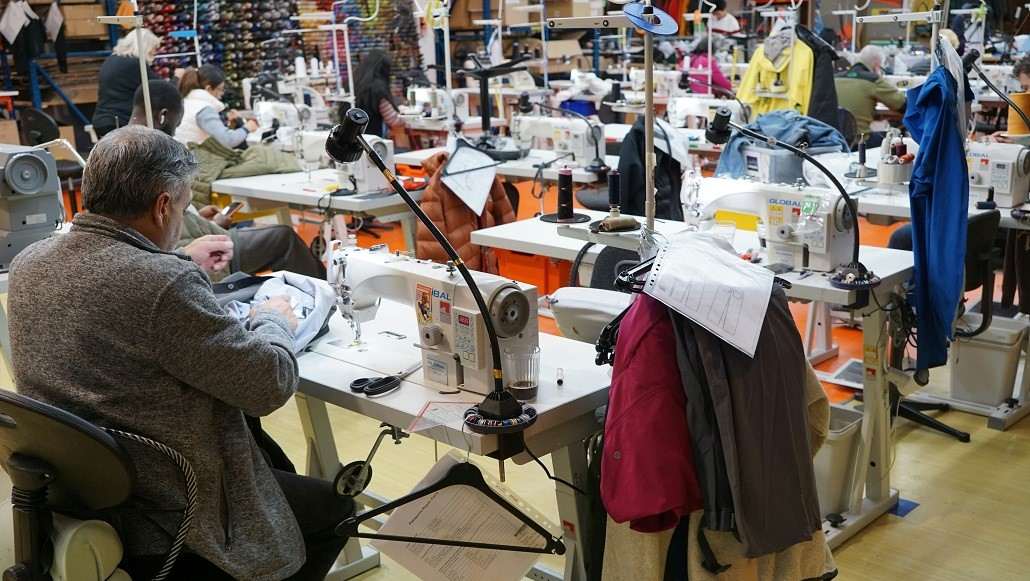
The textiles and apparel sector within the EU consists of around 200,000 companies that provide employment to approximately 1.2 million people, generating an annual revenue of about €170 billion. In Brazil, the industry includes 25,700 businesses employing around 1.3 million individuals, yielding a turnover of $40.9 billion. Argentina’s sector comprises roughly 4,000 companies that employ 540,000 people throughout its value chain.
“The Mercosur-European Union Partnership Agreement offers the textile and apparel industry opportunities related to market access, technological cooperation, investment, strengthening of environmental standards for countries in both economic blocs,” the joint statement noted.