



























Congresswoman Pingree, the founder and chair of the Congressional Slow Fashion Caucus, has officially introduced the Textile Waste Reduction Act, a legislative effort designed to establish a coordinated federal framework. This bill seeks to significantly reduce textile waste, enhance national data collection, and implement a federal textile strategy to advance a circular economy within the industry.
The introduction of the Textile Waste Reduction Act follows recommendations from the Government Accountability Office (GAO) report on fast fashion pollution, which was originally requested by Pingree and Representative Rosa DeLauro in 2023. According to Congresswoman Pingree, the GAO report verified that textile waste represents one of the most rapidly expanding waste streams in the United States, driven largely by the rise of fast fashion pollution.
Provisions for a National Circular Economy
The proposed legislation outlines several critical mandates for the Environmental Protection Agency (EPA) to modernize the management of sustainable textiles. Under the bill, the EPA Administrator would be directed to lead a coordinated effort toward textile circularity. This includes the development of a comprehensive federal textile strategy and a national needs assessment to identify necessary policy priorities and investments.
The act also calls for the creation of an Interagency Working Group on Textile Circularity and an accompanying Advisory Board to provide expert recommendations. Furthermore, the EPA would be required to identify federal funding opportunities for state, local, and Tribal governments, as well as non-governmental organizations, to support the growth of a circular economy. To ensure transparency, the EPA would publish annual data regarding the generation and management of discarded materials.
Environmental and Economic Impacts of Textile Disposal
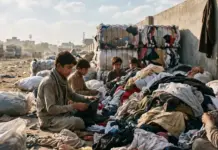
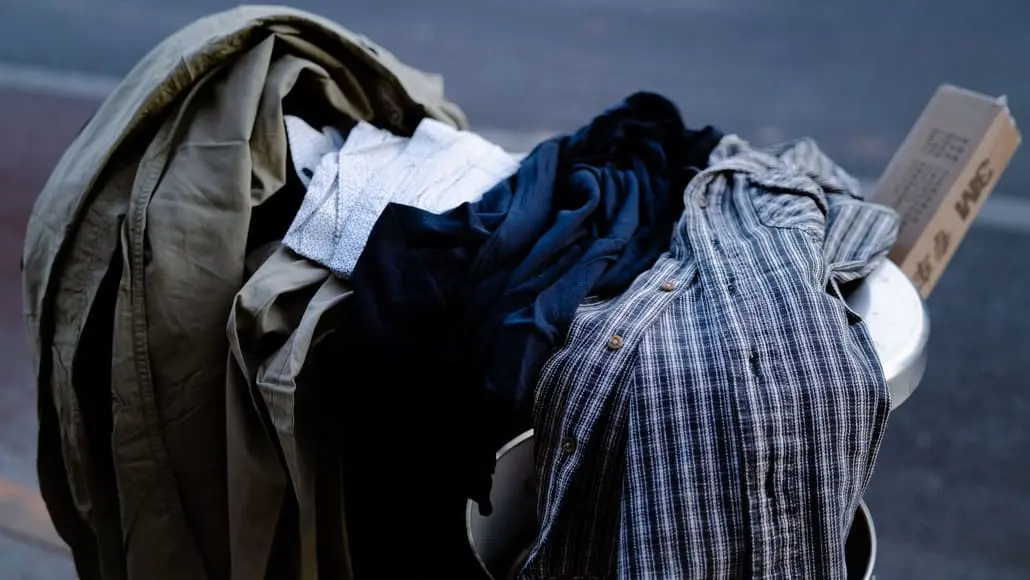
Reports from Pingree’s office indicate that millions of tonnes of materials are discarded annually in the U.S., with the majority destined for landfills. These discarded items can leach harmful contaminants, such as microplastics and PFAS, into soil and water systems. This accumulation also places a financial burden on local communities dealing with landfill capacity shortages.
Beyond environmental concerns, the transition of fiber and textile manufacturing overseas has resulted in the loss of hundreds of thousands of domestic jobs over recent decades. Supporters of the bill argue that the U.S. possesses the resources to lead a global shift toward sustainable textiles, potentially transforming a wasteful industry into one that is more efficient and beneficial for both the planet and the workforce.
The Congressional Slow Fashion Caucus, launched in mid-2024, continues to advocate for climate-smart policies focused on the repair, reuse, and recycling of materials. The move toward a federal textile strategy has garnered support from various stakeholders, including the Garment Worker Center, American Circular Textiles, and major industry entities like Patagonia and ThredUp.

