




























PSI 2026

Textile Recycling of Synthetic Fibers: Overcoming Polyester and Nylon Challenges

Synthetic fiber recycling presents distinct technical challenges differing substantially from natural fiber processing. Polyester, nylon, elastane, and their blends require specialized depolymerization, hydrolysis, or mechanical approaches to achieve material recovery without property degradation. Recent technological breakthroughs in chemical recycling, mixed-fiber processing, and advanced separation techniques are progressively overcoming historical barriers that confined synthetic fiber recycling to mechanical downcycling, enabling virgin-equivalent fiber recovery and genuine circular pathways for synthetic textiles.

Zero-Waste Design Principles Becoming Key Fashion Trends

Zero-waste design principles represent revolutionary approach to garment construction eliminating fabric cutting waste through innovative pattern design, geometric optimization, and intentional design-for-disassembly methodologies. As fashion industry confronts environmental impact of 15-20% cutting waste inherent in traditional manufacturing, zero-waste design transforms constraints into creative opportunities generating distinctive products while addressing sustainability imperatives.

Challenges Slowing Down Large-Scale Textile Recycling Adoption

Despite technological advances and strong market demand, large-scale textile recycling faces formidable operational, economic, logistical, and technological barriers that prevent the industry from achieving its full potential. Collection infrastructure remains fragmented, sorting costs remain high, blended fabrics present persistent technical challenges, virgin material cost advantages persist, and consumer participation rates remain suboptimal, collectively preventing textile recycling from reaching the scale necessary for meaningful circular economy transformation.

How Textile Recycling Supports Circular Fashion and Sustainable Manufacturing

Textile recycling forms the foundation of circular fashion systems, enabling closed-loop production models where materials cycle repeatedly through manufacturing, consumption, and recovery phases. By supporting sustainable material flows, reducing reliance on virgin resource extraction, and enabling eco-conscious product development, textile recycling transforms fashion from extractive linear models into regenerative circular systems that minimize environmental impact while creating economic value through material reuse and resource efficiency.

Innovations Transforming Textile Recycling Technologies in 2026

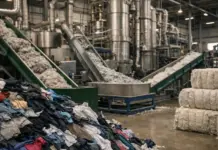
The textile recycling sector is experiencing a technological revolution driven by cutting-edge innovations in chemical depolymerization, fiber regeneration, automated sorting systems, and advanced blending solutions. These technological breakthroughs are transitioning textile recycling from experimental laboratory-scale operations to commercial viability, enabling the industry to process complex waste streams including blended fabrics, contaminated textiles, and historically challenging material combinations with unprecedented efficiency and output quality.

Circular Fashion Trends Encouraging Textile Recycling and Upcycling

Circular fashion trends represent fundamental reimagining of apparel industry economics and environmental responsibility. Moving beyond traditional linear production models, circular approaches emphasize textile recycling, upcycling, waste elimination, and extended product lifecycles. The market currently diverts 92 million tons of annual textile waste while creating innovative business models generating value from materials previously destined for landfills.

Minimalist Fashion Trends Influencing Color and Material Palettes

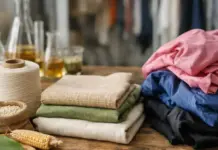
Minimalist fashion philosophy fundamentally challenges contemporary consumer culture by emphasizing quality over quantity, timeless aesthetics over trend-driven novelty, and understated elegance over visual excess. Minimalist trends directly shape material selection toward natural fabrics, neutral color palettes, and refined simplicity that communicates sophisticated restraint and intentional curation rather than conspicuous consumption.

Subscribe

- Never miss a story with notifications

- Gain full access to our premium content

- Browse free from up to 5 devices at once

    Must read

    Translate »