




























A pilot led by Danish fashion group Bestseller has shown that better sorting of post-industrial textile waste can do more than improve sustainability reporting—it can generate direct commercial upside for garment makers in Bangladesh. By strengthening systems for separating and documenting cotton waste, the project demonstrated how Bangladesh textile waste segregation can unlock higher-value recycling routes and create new revenue streams for manufacturers that historically treated waste as a low-value by-product.
The initiative, called the Switch to Upstream Circularity Pilot, ran under the wider SWITCH to Circular Economy Value Chains (SWITCH2CE) programme. It began in January 2023 with seven suppliers and expanded steadily as the operating model proved workable on factory floors. By November 2025, participation had grown to 20 factories, reflecting increased confidence among suppliers in the business case for segregation, traceability and structured waste handling.
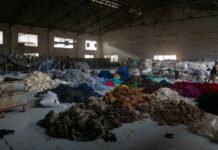
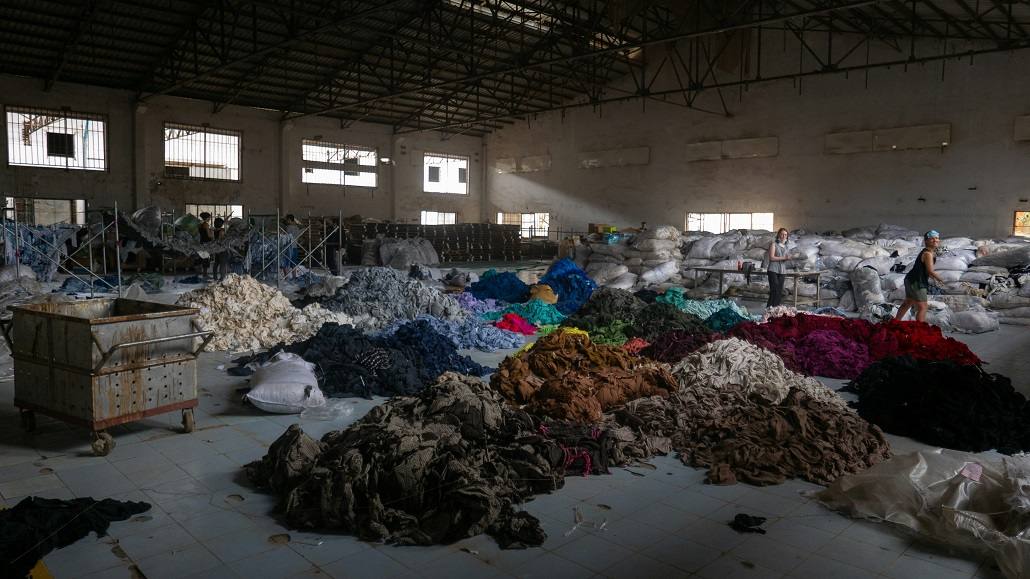
One of the clearest outcomes was volume. Segregated textile waste rose from just over 129 tonnes at baseline to more than 16,000 tonnes by the end of the pilot—an increase that signals not only improved sorting discipline but also stronger links between factories and downstream processors that can actually use the separated material.
The project also focused heavily on training and ecosystem-building to make changes stick. Knowledge sharing scaled through 16 workshops and roundtables, eight presentations at events and 21 targeted training sessions that reached close to 5,000 fashion stakeholders. As those programmes progressed, the local network around waste expanded markedly: the number of waste handlers involved increased from two to 27, while recycler participation grew from two to 26. The result, organisers said, was a more coordinated operating environment in which manufacturers, handlers and recyclers were better aligned on what materials were available and how they could be processed.
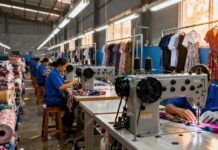
Operational changes inside factories followed. After training, 14 of 16 manufacturers established dedicated segregation zones, creating clearer pathways for keeping waste streams separate rather than mixing materials that later become difficult—or uneconomic—to recycle. Manufacturers also upgraded their recording practices, tracking up to 20 fibre composition categories by the end of the project. That level of detail improved matching between waste inputs and the right recycling processes, and encouraged nine manufacturers to create new technical roles focused on recycling operations and data management.
The pilot also tested the pathway from waste sorting to new product. Commercial trials were launched between Bestseller’s manufacturers and recycler CYCLO to develop garments containing recycled materials. Eight manufacturers said they increased their use of recycled inputs compared with virgin fibres following the trials, suggesting that improved feedstock quality and traceability can help move recycling from a concept to a repeatable sourcing option.
Importantly, the work also delivered measurable financial signals. End-of-pilot surveys found that seven manufacturers reported direct gains from selling segregated waste at higher prices. Across all participating stakeholders, the estimated economic value generated reached around €1.07m (about $1.2m), based on market pricing for selected fibre compositions.
BESTSELLER Recycling & Innovation material manager Alexander Granberg said: “We have gained significant learnings over the past years and developed a much better understanding of the waste structures in Bangladesh. Through this project, we have demonstrated that, together with our manufacturers, it is possible to achieve the segregation and transparency needed to drive material recovery. This represents a first and important stepping stone in further building the recycling capacity in the country.”
Implementation support came from UNIDO under SWITCH2CE, alongside Global Fashion Agenda, BGMEA and Reverse Resources. The programme is part of a broader international collaboration that includes Circle Economy, the European Investment Bank and Chatham House, and is funded by the European Union and Finland.
UNIDO SWITCH2CE chief technical adviser Mark Draeck said: “Through this pilot, UNIDO worked with a global brand and local suppliers to demonstrate how circular economy innovations can strengthen the competitiveness of Bangladesh’s textile industry.
“The project revealed a strong supplier appetite for improved waste segregation, transparency, and traceability—critical enablers of a circular transition. These insights are now feeding directly into tailored policy advice to help address institutional barriers and scale effective circular solutions at the national level.”
For Bangladesh, the implication is that circularity efforts are most likely to scale when they are built on practical factory systems—segregation space, consistent categorisation and credible data—rather than relying on downstream fixes alone. The pilot suggests that Bangladesh textile waste segregation, when paired with local processing capacity and traceable pathways to recyclers, can strengthen manufacturing resilience while accelerating the country’s broader recycling ambitions.