


































Key Takeaways
- Wellness Philosophy Transforms Design Methodology
Contemporary lingerie loungewear wellness collections approach design with explicit wellness intentions from initial conceptualization rather than retrofitting comfort features onto aesthetic choices. This fundamental shift means every element—from fabric selection through seam placement to color psychology—serves wellness objectives. Designers increasingly recognize that soft fabrics reduce cortisol production, breathable knits support thermal comfort affecting cognitive function, and calming colors influence mood and relaxation capacity, making wellness-focused intimate apparel a scientifically supported approach to self-care rather than marketing trend.
- Fabric Science Directly Supports Physical and Mental Wellbeing
Advanced textile innovations like bamboo viscose and specialized knit constructions deliver multifaceted benefits beyond comfort—they provide antimicrobial properties, moisture-wicking that prevents overheating, and breathability enabling extended wear without discomfort. The neuroscience behind these benefits demonstrates that gentle, pleasurable sensory experiences activate relaxation responses reducing stress hormones, while thermal comfort stabilizes mood and improves cognitive function. Choosing comfort-first fabrics represents a science-backed investment in personal wellbeing rather than superficial lifestyle choice.
- Hybrid Dressing Reflects Authentic Modern Lifestyle Integration
The boundary dissolution between lingerie and loungewear reflects genuine lifestyle changes where individuals move fluidly between professional, home, and casual social contexts throughout single days. This convergence addresses authentic needs—desire to feel beautiful and supported in private moments combined with wellness imperatives to prioritize comfort—creating apparel that transcends categorical limitations. Contemporary consumers increasingly recognize that sophisticated, comfortable, appropriate-for-multiple-contexts hybrid garments honor how people actually live, legitimizing comfort-first priorities without sacrificing aesthetic appeal or elegance.
- Personal Luxury Through Intentional Everyday Self-Care
Lingerie loungewear wellness represents daily affirmation through wearable luxury, where individuals invest in apparel that provides consistent pleasure and support through regular wear rather than reserving special items for occasions. This philosophy democratizes luxury by recognizing that internal confidence and personal appreciation need not depend on external validation, creating invisible confidence from knowing you’re wearing something beautiful regardless of who observes it. This everyday luxury approach aligns wellness priorities with fashion consciousness, enabling individuals to practice intentional self-care through deliberate garment selection.
The Convergence of Intimate and Casual Dressing
The traditional boundaries separating lingerie from loungewear have become increasingly porous, reflecting a fundamental shift in how contemporary consumers approach personal adornment and self-care. What once existed as distinctly separate categories—intimate apparel confined to private moments and loungewear worn only at home for purely functional purposes—now intersects in compelling ways that acknowledge deeper truths about comfort, confidence, and everyday wellness. The emergence of lingerie loungewear wellness as a unified concept represents more than a fashion trend; it reflects recognition that the clothes closest to our skin profoundly influence both physical comfort and psychological wellbeing.
This convergence responds to authentic lifestyle changes. Contemporary society has witnessed a significant rise in work-from-home arrangements, flexible schedules, and cultural acceptance of casual dress in previously formal contexts. Simultaneously, wellness culture has permeated fashion consciousness, encouraging consumers to prioritize comfort and health in every clothing decision. When these forces intersect, they create an optimal environment for hybrid apparel that honors both the sensuality traditionally associated with lingerie and the comfort imperative that defines contemporary loungewear.
Understanding the Hybrid Dressing Movement
Hybrid dressing represents perhaps the most significant evolution in intimate apparel since the popularization of athletic wear in everyday contexts. This movement challenges conventional notions that separate garments must serve singular purposes or occupy particular social spaces. A beautiful lace bralette can simultaneously function as intimate apparel worn beneath professional clothing and as a fashionable visible garment layered under a translucent shirt. Similarly, luxurious loungewear featuring delicate knit construction and refined detailing moves beyond mere comfort wear to become legitimate fashion that can transition from home to casual social settings.
The psychology underlying this convergence merits attention. For decades, marketing narratives positioned lingerie as designed primarily for external validation—something worn to impress partners or maintain conformity to beauty standards. The wellness-conscious contemporary consumer, however, increasingly purchases intimate apparel for deeply personal reasons: daily confidence, self-care rituals, and the profound physical comfort that quality construction provides. When these motivations drive purchasing decisions, the distinction between lingerie and lounge apparel becomes less meaningful than the fundamental quality of the garment and its emotional impact on the wearer.
Designers increasingly recognize that consumers seek clothing that functions across multiple contexts. A thoughtfully constructed piece that provides support comparable to quality lingerie but features the aesthetic simplicity traditionally associated with loungewear offers genuine versatility. This represents not compromise but sophisticated design thinking that respects how people actually live—moving fluidly between professional contexts, home environments, and casual social spaces throughout single days.
The Science of Comfort-First Fabrics
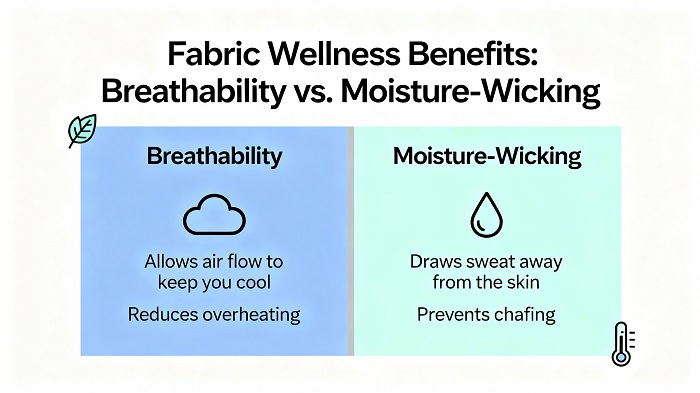 The foundation of successful lingerie loungewear wellness apparel lies in fabric selection and construction. Contemporary textile innovation has created previously unavailable combinations of properties that simultaneously deliver luxury tactile experiences and practical comfort benefits. Understanding these fabric innovations illuminates why the convergence of intimate and casual apparel has become not merely possible but commercially and aesthetically compelling.
Bamboo-derived fabrics exemplify this innovation trajectory. Bamboo viscose and bamboo lyocell fibers possess inherent qualities that address multiple consumer priorities simultaneously. These fibers offer exceptional breathability, allowing air circulation that prevents overheating during extended wear. Their natural moisture-wicking properties move perspiration away from skin, maintaining comfort throughout day and evening. Perhaps most significantly from a wellness perspective, bamboo fabrics demonstrate documented antimicrobial properties that reduce odor development and skin irritation—particularly valuable for garments worn directly against sensitive areas for extended periods.
The tactile experience of bamboo fabrics extends beyond functional benefits. These materials possess extraordinary softness that rivals or exceeds traditional silk, yet offer superior durability and easier maintenance than delicate natural fibers. For consumers investing in quality loungewear that they’ll wear frequently, bamboo fabric construction provides genuine value—comfort that endures through regular laundering, retaining its delicate qualities while proving substantially more resilient than luxury materials traditionally reserved for special occasions.
Breakthrough Knit Constructions for Wellbeing
The development of specialized knit structures represents another crucial innovation supporting lingerie loungewear wellness integration. Unlike woven fabrics that require specific thread counts to achieve breathability, knits achieve air circulation through their inherent structure—loops of fiber create natural channels for airflow. Contemporary knit engineering has refined this principle to create constructions that simultaneously deliver compression benefits comparable to shapewear while maintaining the breathability that prevents the discomfort often associated with restrictive garments.
Rib knits—where alternating knit and purl stitches create characteristic vertical lines—provide exceptional stretch recovery while allowing generous airflow. These structures conform closely to body contours, providing subtle shaping without the oppressive sensation sometimes associated with traditional shaping garments. For consumers seeking clothing that supports their bodies while respecting their wellness priorities around movement and circulation, rib-knit construction represents a genuine breakthrough.
Mesh knits expand possibilities further by creating open structures that maximize breathability while maintaining aesthetic appeal. Contemporary mesh constructions feature sophisticated pattern variations that provide visual interest beyond simple geometric openings. Designer loungewear increasingly incorporates mesh panels strategically positioned to enhance airflow in areas prone to heat accumulation while maintaining coverage where consumers prefer visual privacy. This represents thoughtful design that considers both functional and psychological comfort dimensions.
Technical knits developed for performance sports have found their way into luxurious loungewear and hybrid intimate apparel. These advanced constructions incorporate specialized fibers that regulate temperature, wick moisture, and resist odor development. When blended with luxurious natural fibers, performance technologies enhance practical durability without sacrificing the tactile elegance that consumers expect from premium lingerie loungewear wellness apparel.
Silhouettes That Honor Individual Bodies
The comfort-first philosophy extends beyond fabric selection to silhouette design. Contemporary lingerie loungewear wellness collections demonstrate remarkable thoughtfulness regarding how garments interact with diverse body types and individual comfort preferences. This represents significant progress from historical lingerie design that often imposed standardized ideals rather than accommodating actual bodily diversity.
Modern comfortable clothing features what designers term “generous proportions”—relaxed fits that provide ease of movement without sacrificing sophisticated appearance. Loungewear that works well for extended wear in home settings successfully balances structured elements with forgiving ease. A quality loungewear set might feature slightly oversized proportions through the torso while maintaining defined seaming that creates flattering silhouettes. This approach honors the reality that bodies exist across tremendous ranges of size and shape while celebrating rather than concealing individual characteristics.
Flexible waistbands represent a deceptively crucial innovation in comfort-first design. Rather than rigid elastic that can create uncomfortable marks or restrict movement, contemporary wellness apparel incorporates sophisticated waistband engineering using soft, wide elastic or knit constructions that distribute pressure across broader areas. This seemingly minor detail profoundly impacts wearing experience, particularly for individuals who spend extended periods in single garments.
Sleeve length and neckline depth similarly reflect wellness-conscious design thinking. Shortened sleeve options that hit mid-bicep prevent the overheating sometimes caused by longer sleeves, while modified necklines accommodate various body types and personal comfort preferences without requiring exposure. These design choices demonstrate that comfort-first philosophy need not sacrifice aesthetic appeal—garments can simultaneously provide functional benefits and visual sophistication.
The Integration of Wellness Philosophy
Lingerie loungewear wellness represents more than fabrics and silhouettes; it embodies a philosophical approach recognizing that clothing profoundly influences psychological and physical wellbeing. This wellness integration addresses multiple dimensions of human experience through seemingly simple design choices.
The tactile quality of wearing soft, breathable fabrics directly influences stress response and emotional state. Neuroscience research consistently demonstrates that gentle, pleasurable sensory experiences activate relaxation responses and reduce cortisol production associated with stress and anxiety. When individuals select loungewear featuring soft knits and breathable construction, they’re not indulging in superficial luxury—they’re making scientifically supported choices that enhance their nervous systems’ capacity to relax and recover.
Thermal comfort similarly impacts wellbeing more profoundly than casual consideration might suggest. When clothing allows appropriate temperature regulation, cognitive function improves, mood stabilizes, and individuals find it easier to engage in restorative activities like meditation or sleep. Loungewear designed with breathability and moisture-wicking properties creates stable thermal environments that support these wellness objectives. This represents intimate apparel explicitly designed for human flourishing rather than external appearance.
The freedom of movement enabled by thoughtfully designed comfort silhouettes supports both physical health and psychological confidence. Restrictive garments subtly increase cortisol levels and create persistent tension patterns. Conversely, clothing that moves naturally with the body permits genuine relaxation. When someone transitions to lingerie loungewear wellness apparel designed with such considerations, they frequently report not just comfort improvement but genuine shifts in how they feel about their bodies and themselves.
The Role of Intentional Design
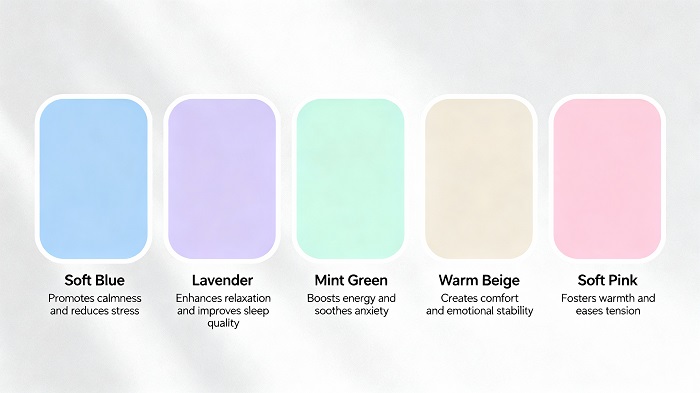
Contemporary brands creating successful lingerie loungewear wellness collections approach design with explicit wellness intentions. Rather than beginning with aesthetic concepts then retrofitting comfort features, designers now center comfort and wellbeing from the initial conceptualization phases. This fundamental shift in design methodology produces garments where every element—from fabric selection to seam placement to color psychology—serves wellness objectives.
Color selection increasingly reflects this wellness orientation. Soft, muted palettes in warm neutrals, gentle blues, and calming pastels replace harsh or intense shades that can create subtle visual stress. Research in color psychology demonstrates that prolonged exposure to certain color ranges affects mood and relaxation capacity. Wellness-focused loungewear designers leverage this understanding, creating collections in tones that psychologically support rest and calm.
The elimination of unnecessary embellishment represents another wellness-conscious design choice. Where fashion design traditionally celebrates adornment, contemporary comfort-first apparel often features refined simplicity. Minimal seaming, clean lines, and lack of decorative elements that might create sensory distraction support the calm, grounded experience that wellness philosophy prioritizes. This aesthetic restraint paradoxically creates sophisticated elegance by trusting that quality construction and fabric excellence require no additional ornamentation.
Market Validation and Consumer Adoption
The market response to lingerie loungewear wellness collections demonstrates genuine consumer enthusiasm that extends beyond trend cycling. Sales data from luxury retailers consistently shows exceptional performance for hybrid apparel that successfully bridges intimate and casual categories. This commercial success reflects authentic consumer needs rather than manufactured trend manipulation.
Contemporary consumers, particularly those prioritizing wellness and self-care, actively seek clothing that aligns with their values and supports their lifestyle choices. They recognize that lingerie loungewear wellness represents legitimate innovation addressing actual needs—the desire to feel beautiful and supported in private moments, the need for comfortable apparel suitable for extended home wear, and the wellness imperative to select garments that enhance rather than compromise physical and psychological health.
The democratization of luxury has supported this market expansion. While haute couture houses create extraordinarily expensive comfort-focused intimate apparel using exceptional materials and construction, contemporary manufacturing enables broader accessibility to quality hybrid garments. This accessibility allows wellness-conscious consumers across economic ranges to invest in apparel that genuinely supports their priorities.
Social platforms have significantly amplified awareness and appreciation for lingerie loungewear wellness categories. Visual content depicting individuals confidently wearing beautiful, comfortable garments in home and casual contexts has shifted cultural narratives around intimate apparel. Rather than exclusive focus on seduction or appearance, contemporary lingerie discourse increasingly celebrates comfort, self-care, and the personal empowerment that quality garments provide.
Practical Integration into Contemporary Life
The practical reality of modern life creates perfect conditions for lingerie loungewear wellness success. Professional flexibility means many individuals spend substantial time in home environments yet want to feel polished and put-together. Work-from-home arrangements render traditional office wear unnecessary while traditional loungewear feels insufficiently intentional for video calls or quick trips outside. Hybrid apparel addressing this practical reality satisfies genuine lifestyle needs.
Wellness routines increasingly structure modern schedules. Dedicated self-care time—whether meditation, yoga, reading, or simply rest—has become central to health-conscious living. Clothing supporting these activities with appropriate comfort and breathability enhances the experience while supporting the physiological benefits these practices provide. Lingerie loungewear wellness collections specifically target these moments, offering garments that feel luxurious while functionally supporting wellness practices.
The social normalization of casual, comfortable dress has removed historical stigma around appearing “relaxed” in semi-public contexts. Contemporary culture increasingly celebrates individuals who prioritize comfort and authenticity over performative formality. This cultural shift enables hybrid apparel—beautiful, comfortable, appropriate for various contexts—to flourish without social judgment.
Sustainability Considerations in Comfortable Apparel
The intersection of wellness and environmental consciousness increasingly characterizes contemporary consumer values. Lingerie loungewear wellness collections developed by conscientious brands incorporate sustainability considerations throughout production processes. High-quality construction that ensures durability represents perhaps the most significant sustainability contribution—garments designed to last years rather than seasons inherently reduce environmental impact through reduced turnover.
Material selection increasingly prioritizes sustainability. Bamboo viscose, while requiring processing, represents renewable resource cultivation supporting reforestation. Organic cotton eliminates synthetic pesticides and excessive water consumption. Advanced recycled fiber technologies create luxury materials from reclaimed sources. These choices enable wellness-conscious consumers to align their purchasing decisions with environmental values.
Responsible manufacturing practices increasingly characterize premium lingerie loungewear wellness brands. Fair labor conditions, transparent supply chains, and reduced waste in production processes reflect values many wellness-focused consumers prioritize. The recognition that personal wellbeing cannot exist in isolation from planetary health drives these commitments.
Conclusion: The Future of Hybrid Wellness Apparel
The convergence of lingerie, loungewear, and wellness philosophy represents a fundamental evolution in how intimate apparel functions within contemporary life. Lingerie loungewear wellness reflects authentic recognition that clothing closest to our skin profoundly influences physical comfort, psychological wellbeing, and daily confidence. When designers create garments featuring soft fabrics, breathable knits, comfort-first silhouettes, and intentional wellness philosophy, they’re addressing real human needs with sophisticated design thinking.
The enduring appeal of these hybrid collections extends beyond trend cycles. As work environments continue flexing, wellness practices remain central to contemporary life, and consumers persist in prioritizing authentic comfort over performative appearance, lingerie loungewear wellness apparel will likely remain integral to fashion’s future. These garments represent not compromise between categories but rather evolved understanding that the most meaningful clothing serves multiple functions simultaneously—looking beautiful, feeling comfortable, supporting physical health, and nurturing psychological wellbeing. In this holistic vision of intimate apparel, boundaries separating lingerie from loungewear dissolve into recognition of unified commitment to honoring the bodies and wellbeing of those who wear these garments.