




























Key Takeaways
- Bio-cellulosic innovations (Lyocell, Modal) utilizing certified wood pulp in closed-loop systems are becoming industry standard
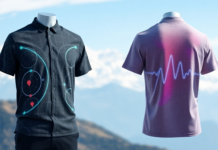
- Smart textiles with embedded sensors, thermo-regulating properties, and photovoltaic capabilities represent premium market segment
- Mycelium and laboratory-grown fibers are transitioning from experimental concepts to commercial-scale production
- 3D jacquard and tactile innovations merge traditional craftsmanship with engineered textile performance
- Nano-coatings providing antimicrobial, odor-fighting, and waterproofing properties enhance functionality without bulk
- Plant-based elastics and stretch fibers address consumer demand for sustainable performance textiles
- Digital product passports and traceability systems are becoming integral to premium fabric positioning
The Convergence of Fashion Aesthetics and Textile Engineering
The fashion trends emerging in 2026 represent an extraordinary convergence of aesthetic vision and technological capability. Designers increasingly conceptualize garments around advanced material possibilities rather than constraining themselves to conventional fabric offerings. This philosophical shift has transformed the relationship between fashion and textile development. Rather than designers requesting fabrics that textile manufacturers then attempt to create, contemporary practice involves designers and fiber engineers collaborating from initial concept through commercialization. Fashion trends thus directly drive investment in research and development, accelerating technological advancement that might otherwise require significantly longer commercialization timelines.
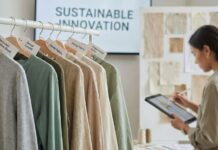
The fabric innovations anticipated for 2026 reflect fashion industry recognition that material advancement directly determines design possibility and market competitiveness. Brands that incorporate cutting-edge textiles gain substantial advantage not merely through technological differentiation but through the narrative surrounding material selection. Contemporary fashion trends emphasize storytelling—the journey from concept through production to final consumer. Innovative fabrics become central to this narrative, communicating brand commitment to excellence, sustainability, and technological sophistication.
Advanced Bio-Cellulosic Fibers and Closed-Loop Systems
The fabric innovations in bio-cellulosic fibers represent perhaps the most commercially significant trend shaping 2026 textile development. Lyocell, modal, and viscose fibers produced through closed-loop systems using certified wood pulp offer remarkable properties—silky softness, moisture control, biodegradability—while utilizing environmentally responsible production methods. Proprietary innovations like Lenzing’s Ecovero and Seacell represent the frontier of bio-cellulosic development, incorporating additional performance characteristics that distinguish premium offerings from conventional alternatives.
Fashion trends emphasizing comfort and functionality drive demand for bio-cellulosic innovations. These fibers offer exceptional breathability and moisture-wicking properties alongside sustainable credentials. Luxury and performance apparel brands increasingly specify advanced bio-cellulosic fabrics, recognizing that material selection communicates brand positioning regarding quality and environmental responsibility. The closed-loop production systems utilized in bio-cellulosic manufacturing—where solvents and chemicals are recycled rather than discharged—address growing consumer demand for transparent, environmentally conscious production.
The commercial scaling of bio-cellulosic innovations demonstrates fashion’s influence on textile manufacturing investment. Expanded production capacity, improved processing efficiency, and cost reductions directly result from growing fashion brand demand. Manufacturers that invested in bio-cellulosic production capacity five years ago, anticipating fashion trend movements, now enjoy competitive advantages as these innovations become increasingly mainstream.
Smart and Performance-Driven Textiles
The emergence of smart textiles as fashion trend represents a fundamental reconception of garment functionality. Contemporary fabric innovations integrate embedded sensors, conductive fibers, and responsive materials that enable garments to monitor wearer health metrics, regulate microclimate, and respond to environmental changes. These innovations transcend novelty status, becoming increasingly integrated into premium apparel collections from established luxury and sportswear brands.
Thermo-regulating fabrics represent perhaps the most commercially viable smart textile innovation. Incorporating phase-change materials or microclimate management systems, these fabrics automatically respond to body temperature and environmental conditions, maintaining optimal comfort without requiring wearer adjustment. Fashion brands position these innovations as premium features commanding substantial price premiums while delivering measurable functionality improvements. Consumers purchasing garments with thermo-regulating properties gain objective benefits—enhanced comfort, extended wear seasons, reduced need for layering—alongside the intangible satisfaction of incorporating cutting-edge technology.
Moisture-managing fabrics, combining advanced wicking systems with breathability enhancement, represent fabric innovations directly addressing fashion trends emphasizing active lifestyle compatibility. Simultaneously functioning as fashionable garments and technical performance apparel, these innovations blur the boundary between aesthetic categories. Contemporary consumers expect clothing to function across multiple contexts—professional settings, athletic activities, casual social engagement—requiring fabrics that simultaneously satisfy aesthetic and functional demands. Fabric innovations enabling this versatility represent essential responses to actual fashion trends.
Laboratory-Grown and Bio-Engineered Fibers
Mycelium-based textiles represent among the most remarkable fabric innovations approaching commercial viability. Grown from fungal networks over weeks rather than months or years required for traditional fiber cultivation, mycelium materials offer unprecedented opportunities for sustainable, rapidly renewable textile production. Fashion brands experimenting with mycelium fabrics report exceptional properties—flexibility, durability, aesthetic appeal—alongside extraordinary environmental benefits. The fashion trend toward novel, innovative materials creates receptive markets for mycelium and similar laboratory-engineered fibers.
Yeast and fruit-waste-derived textiles demonstrate equal promise for 2026 fabric innovations. Laboratory cultivation of cellulose from yeast, combined with utilizing agricultural waste streams from food production, creates opportunities for zero-waste circular fashion systems. Fruit-based textiles derived from citrus, mango, and pineapple byproducts offer distinctive aesthetic properties alongside environmental benefits. Fashion designers increasingly view these novel materials as opportunity for brand differentiation and narrative authenticity—clearly communicating sustainable material sourcing and innovative production methodologies.
The commercial scalability of laboratory-grown fibers remains a critical consideration. Current production volumes limit mainstream utilization, with most applications concentrated in premium, limited-edition collections. Fashion trend momentum toward these innovations suggests substantial investment in scaling manufacturing capacity. Within two to three years, laboratory-grown fibers may transition from experimental specialty materials to accessible components of mainstream fashion collections.
Textural Innovation and Dimensional Fabrication
Three-dimensional jacquard and tactile textile innovations represent fabric developments directly responding to fashion trends emphasizing sensory experience and visual interest. Contemporary apparel design increasingly incorporates raised textures, dimensional surfaces, and architectural fabric structures that create dynamic visual effects responding to movement and light. These innovations require extraordinary precision in loom programming and yarn selection, leveraging digital textile technology and advanced fiber combinations.
Fashion trends celebrating craft-inspired aesthetics drive demand for engineered fabrics that visually communicate handcrafted quality while maintaining consistency required for industrial production. Three-dimensional constructions achieve this balance, appearing to result from meticulous artisanal work while actually resulting from sophisticated loom programming. The convergence of technology and aesthetics creates textiles that satisfy contemporary fashion demands for both authenticity and consistency.
Nano-coatings and surface treatments represent additional fabric innovations responding to fashion trends valuing functionality without compromise. Superhydrophobic, antimicrobial, and odor-fighting nano-coatings enhance fabric performance while maintaining breathability and comfort. These innovations enable premium positioning through enhanced functionality—garments requiring less frequent washing, naturally resisting bacterial growth, maintaining freshness across extended wear periods—while maintaining luxury aesthetic sensibilities.
Regenerative and Circular Fabric Innovation
Fashion trends emphasizing regenerative agriculture have initiated fabric innovations incorporating fibers from regeneratively grown materials. Regenerative cotton, produced using farming practices that sequester carbon and improve soil health, offers environmental benefits beyond conventional organic production. Textile manufacturers developing regenerative fiber supply chains position themselves advantageously as fashion brands increasingly prioritize regenerative sourcing alongside sustainability metrics.
Digital product passports and blockchain-based traceability systems represent non-material innovations enabling premium fabric positioning. Fashion trends emphasizing transparency drive consumer demand for complete production history visibility—fiber origins, processing methodologies, chemical utilization, shipping impacts. Textile manufacturers implementing sophisticated traceability systems can offer verifiable transparency that commands premium pricing while building consumer trust and brand loyalty.
Plant-based elastics and stretch fibers developed from renewable sources address growing consumer demand for synthetic-free performance textiles. Fashion trends emphasizing natural fiber composition conflict with utilization of traditional synthetic elastanes. Plant-based elastics, derived from cellulose or other renewable sources, offer elasticity and performance matching synthetic alternatives while satisfying consumer preferences for reduced petrochemical dependence. These innovations represent critical responses to actual fashion trend movements.
The Future of Fabric Innovation and Design Collaboration
The fabric innovations anticipated for 2026 demonstrate accelerating collaboration between fashion designers and textile technologists. This partnership model, relatively novel five years ago, has become increasingly standard practice among premium brands. Regular innovation summits, extended collaborative projects, and shared investment in research and development represent new industry norms that intensify as fashion trends demand increasingly sophisticated material solutions.
Artificial intelligence increasingly influences fabric innovation processes. Machine learning algorithms analyze historical design data, consumer response metrics, and emerging trend signals to recommend material combinations and performance specifications likely to achieve commercial success. Designers and technologists utilize these AI insights as starting points for creative exploration rather than definitive recommendations. This human-machine collaboration enables rapid iteration and experimentation, accelerating the pace of legitimate innovation while eliminating some risks inherent in purely speculative development projects. The fabric innovations of 2026 represent cumulative result of this collaborative, technologically enhanced development process, positioning fashion at the frontline of material science advancement.