
































The textile industry is a cornerstone of the global economy, offering a diverse and dynamic career landscape that appeals to individuals across varying educational backgrounds and skill sets. This sector includes roles that range from highly technical engineering positions to creative design roles, as well as manufacturing and management positions. The global nature of the textile industry ensures a steady demand for skilled professionals at all levels, making textile industry jobs attractive for those seeking stable, meaningful employment coupled with opportunities for advancement.
Careers in the textile sector are appealing not just because of job availability, but also for the satisfaction that comes from contributing to products worn and used by millions worldwide. Whether individuals are drawn to manufacturing excellence, problem-solving, quality assurance, or supply chain management, the diversity of roles available in the textile industry allows professionals to find fulfilling positions. Understanding the wide array of textile jobs enables individuals to better align their strengths and interests with long-term professional goals.
The Breadth of Textile Industry Employment
The textile industry encompasses a broad range of job categories that reflect nearly every functional area found in modern business operations. Job opportunities include roles for fiber production specialists, yarn manufacturers, fabric technicians, quality control inspectors, dyeing specialists, and garment cutters, among others.
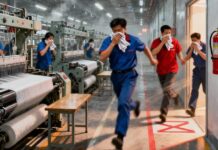
Production and manufacturing roles represent one of the largest employment categories, which primarily includes machine operators, production supervisors, and equipment technicians. These positions require familiarity with specialized textile machinery, such as spinning frames, looms, and dyeing equipment. Machine operators, for example, need to be trained on specific equipment, understand production specifications, and commit to safety and quality standards. Production supervisors manage teams of operators, coordinate schedules, troubleshoot issues, and ensure that production targets are met without compromising on quality.
Technical roles, particularly those related to engineering, are also crucial in the textile industry. Textile engineers focus on designing production processes, specifying equipment configurations, and optimizing manufacturing efficiencies. Process engineers develop new production methods and ensure that equipment operates at peak performance. Meanwhile, maintenance engineers take care of specialized equipment, diagnosing issues before they become significant problems. These technical positions are often respected within organizations and tend to offer higher salaries compared to entry-level operational roles.
Design and product development positions attract creatively inclined professionals who blend fashion sensibilities with an understanding of textile production. Textile designers work on creating original patterns, textures, and fabric structures, ensuring that their products can be produced commercially. Fashion designers conceptualize garments and articulate their vision to production teams. Colorists handle dye formulations, and pattern makers create the templates that ensure designs can be translated into actual garments. These roles merge artistic expression with the practicalities of textile manufacturing, appealing to those who thrive in creative environments.
Quality control and testing roles play a vital part in ensuring that textile products meet the necessary specifications and performance standards. Quality control inspectors are responsible for examining fabrics and finished products for defects. Laboratory technicians conduct tests for durability, color fastness, and other essential performance metrics. Specification writers develop the standards and procedures that ensure consistent quality throughout the production process. These positions are ideal for detail-oriented individuals who take pride in maintaining high-quality standards.
Supply chain and operations positions in the textile industry are increasingly important as companies strive for operational efficiency. Procurement specialists source raw materials and negotiate contracts with suppliers, while inventory managers oversee the tracking of materials as they move through production. Logistics coordinators manage transportation and warehouse operations. Supply chain analysts utilize data to enhance efficiency and reduce lead times. These roles are focusing more on strategic management as competition intensifies.
Careers in sales, marketing, and business development are also critical to the textile industry. Professionals in these roles promote products to industrial customers, retail buyers, and other business clients. Sales representatives build and maintain customer relationships, while market analysts research trends and consumer preferences to guide product development and promotional strategies.
Geographic and Skill-Based Employment Variations
The opportunities in the textile industry vary by geography. Developing countries tend to have larger manufacturing workforces, whereas developed countries are increasingly focusing on specialized technical roles. For instance, India employs millions in its textile manufacturing sector, from spinners and weavers to garment workers. Bangladesh features a significant apparel manufacturing workforce, while Vietnam supports a vast array of textile and apparel facilities. China continues to maintain the largest textile manufacturing workforce globally.
In developed nations like the United States, textile employment has contracted significantly. Approximately 270,700 textile and apparel workers remain in the U.S., with many holding specialized and technical positions rather than traditional garment manufacturing roles. These shifts highlight economic trends where labor-intensive roles have migrated towards lower-cost regions, while developed nations have emphasized innovation and specialized manufacturing in fields like technical textiles.
Types of Textile Jobs
The diverse array of textile industry jobs can be organized into several functional categories, each with specific roles requiring various skill sets.
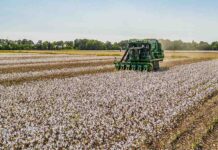
Fiber and yarn production positions represent the starting points in the textile manufacturing chain. Specialists in cotton ginning, synthetic fiber production, and yarn spinning evaluate and classify fibers based on quality characteristics. Spinners monitor yarn production, adjusting machine parameters to meet quality standards, while yarn inspectors test properties and identify defects.
Weaving and knitting roles involve creating fabric from yarn using mechanical or computerized tools. Loom operators manage the weaving equipment, responding to signals to adjust parameters, while loom technicians maintain machinery. Knitting machine operators produce various fabric constructions, and traditional weavers often hand-weave fabrics, a highly specialized skill in premium textile production.
Dyeing and finishing roles focus on applying color and functional treatments to greige fabric. Dyehouse operators control large-scale dyeing equipment, managing temperature and chemical concentrations, while dyers work with formulations to achieve the desired results. Finishers oversee chemical treatments and ensure proper handling of textiles. Laboratory technicians test dyed fabrics to verify quality metrics.
Quality control positions require inspectors to visually examine fabrics and garments for defects. They work alongside testing technicians who measure fabric properties with laboratory equipment. Quality managers oversee these processes and spearhead continuous improvement initiatives aimed at maintaining high standards.
Garment manufacturing roles transform fabric into finished products. Pattern graders adjust patterns for various sizes, while cutters create pattern pieces. Sewers and seamstresses utilize sewing machines to assemble garments, and finishers prepare them for shipping. Pressers may apply heat to improve the appearance, ensuring final products meet quality benchmarks.
Design and development roles focus on creating new textile products and determining the artistic direction. Textile designers create innovative patterns, while fashion designers conceptualize garments. Colorists develop cohesive color palettes, and product developers translate creative concepts into market-ready offerings. Merchandising teams select products for retail and balance consumer preferences.
Management and administrative roles provide oversight and direction within organizations. Production managers coordinate operations, ensuring that production schedules meet quality and efficiency goals. Plant managers lead manufacturing facilities, while human resources specialists handle recruitment and employee relations. Financial analysts manage budgets and analyze performance, while supply chain managers coordinate logistics and procurement. Executive leadership drives overall strategy, reflecting a need for analytical mindset and business acumen.
Specialized and Emerging Textile Roles
Recent developments in the textile industry are creating entirely new job categories that didn’t previously exist. Sustainable textile specialists are tasked with implementing environmentally friendly practices, while smart textile technicians work with fabrics integrated with technology. Digital textile designers utilize advanced software to develop designs tailored for digital printing. As supply chain optimization becomes essential, specialists are emerging to track materials using digital systems, improving transparency throughout the process. Robotics integration specialists are also in high demand, as automation increasingly replaces manual labor in various aspects of textile production.
What is the Highest Salary in Textiles?
Compensation in the textile industry varies widely based on position, specialization, and geographic location. At the upper echelons, chief executives of major textile companies might earn comprehensive packages exceeding ten million dollars annually, including salaries, bonuses, and equity.
Senior management positions command some of the highest salaries in the industry. For example, in India, senior general managers might earn around ₹34 lakhs annually (approximately $40,800 USD), while director-level roles generally average ₹23 lakhs. These positions typically require extensive experience, advanced degrees, and proven leadership capabilities.
Specialized technical roles also offer significant compensation. Experienced textile engineers can earn between ₹12 and ₹18 lakhs annually, with those in specialized sectors like sustainability commanding even higher salaries due to a scarcity of qualified professionals.
Mid-level roles, such as production supervisors and experienced designers, generally offer salaries in the range of ₹8 to ₹15 lakhs. Entry-level designers may start at ₹4 to ₹5 lakhs, while senior designers might earn around ₹10 to ₹12 lakhs annually, with regional variations influencing pay levels.
Manufacturing roles, on the other hand, tend to earn lower wages compared to management and specialized positions. In developing nations, skilled workers often earn around $2 to $4 daily, reflecting significant wage disparities. In developed countries, manufacturing salaries can range from $18 to $25 per hour, though this often doesn’t meet living costs effectively.
Textile Jobs in Demand
Employment trends within the textile industry paint a complex picture, revealing a dual narrative of declining roles in developed markets alongside growth in developing regions. The U.S. textile workforce has decreased dramatically over recent decades, reflecting automation, offshoring, and the rise of non-manufacturing jobs that require specialized skills.
Despite overall declines, certain textile positions remain in high demand. Technical roles such as textile engineers and quality assurance specialists frequently experience skill shortages, thus commanding significant premiums. Positions tied to supply chain management and digital transformation are also witnessing growing demand as companies invest in improving operational efficiency.
Conversely, manufacturing roles continue to face headwinds in developed nations due to labor automation and changing workforce preferences. Many young people bypass manufacturing careers in favor of knowledge-based sectors, leaving a gap in available labor for these positions.
Emerging Growth Segments Within Textile Industry Employment
Several emerging segments within the industry show considerable promise for employment growth and opportunity. Technical textiles for applications in medical, automotive, and industrial segments represent one of the fastest-growing categories, creating demand for production specialists and process engineers. Sustainable production practices are another growth area within textiles, prompting companies to hire specialists focused on implementing environmentally responsible methods.
The rise of smart textiles fabrics that incorporate technology is another exciting domain that creates new job opportunities. Growth in supply chain and logistics roles continues as firms recognize the competitive importance of supply chain excellence. Nearshoring and domestic manufacturing trends are generating new roles, especially in North America and Europe, as companies seek to navigate labor costs while enhancing supply chain resilience.
Developing Nation Employment Dynamics
In many developing nations, particularly in South and Southeast Asia, textile and apparel manufacturing remain significant employment sectors. Bangladesh employs around 4.5 million workers in this area, making it the largest sector in terms of exports. Vietnam and India also support large numbers of textile jobs, although exact figures can vary based on how informal labor is accounted for.
Even as employment remains relatively stable in these regions, ongoing challenges such as automation, rising labor costs, and consumer preferences for sustainable production practices threaten wage growth and working conditions. Yet, the vast scale of global clothing consumption ensures that textile manufacturing will continue to play a crucial role in these economies for decades to come.
Building a Textile Industry Career
Individuals looking to build careers in the textile industry typically follow structured pathways aligned with their educational backgrounds and professional interests. Entry-level technical roles, such as textile engineer or quality technician, are common starting points for those pursuing technical careers. Manufacturing and operations candidates may begin as production associates, moving up through experience to supervisory and management roles.
Design candidates usually require formal education or apprenticeships, starting as junior designers and advancing to senior or creative director positions. Similarly, candidates in sales and business fields often begin as sales associates, gradually progressing to roles such as account manager and regional sales director.
Advancement within the industry typically requires demonstrated competence, skill development, and sometimes advanced education. Many textile companies offer educational assistance for employees seeking to pursue further credentials or degrees.
Conclusion: A Dynamic Career Landscape
The textile industry presents a rich tapestry of career opportunities for individuals with various interests and professional backgrounds. From hands-on manufacturing roles to creative design positions and technical engineering specialties, the sector offers meaningful employment while allowing individuals to contribute to everyday products used across the globe.
Despite the structural declines seen in textile employment in developed nations, emerging industry segments and global demand ensure that opportunities for textile careers remain significant. Those committed to building expertise and remaining adaptable will find a wealth of prospects as the textile industry continues to evolve in response to new technologies, sustainability concerns, and consumer expectations.