






























Organic cotton has moved from a niche concept to a central pillar of sustainable fashion and responsible textile sourcing. Brands, manufacturers, and even farmers now recognize that how cotton is grown has as much impact as what is made from it. This complete guide explores organic cotton farming and production from field to finished fabric, explaining the methods, benefits, and standards that distinguish organic cotton from conventional alternatives.
Understanding Organic Cotton and Its Growing Importance
Organic cotton refers to cotton grown without synthetic pesticides, herbicides, genetically modified seeds, or artificial fertilizers. Instead, organic cultivation relies on natural inputs, crop diversity, soil health management, and integrated pest management. The aim is to produce high-quality fiber while protecting ecosystems, farmers’ health, and long‑term soil fertility.
In recent years, demand for organic cotton and sustainable cotton production has accelerated, driven by conscious consumers, stricter environmental regulations, and global initiatives to decarbonize supply chains. Textile and apparel brands increasingly specify organic cotton in their sourcing policies, often requiring GOTS certified yarns and fabrics to ensure verifiable sustainability standards.
How Organic Cotton is Grown: Farming Methods and Practices
Organic cotton farming starts with a different philosophy: the farm is treated as a living ecosystem, not a fiber factory. This mindset influences every step, from seed selection to harvest.
Seed Selection and Land Preparation
In organic cotton farming and production, non‑GMO seeds are a fundamental requirement. Farmers use traditional or regionally adapted varieties that can thrive without heavy chemical inputs. These varieties often have deeper root systems and better resilience to climate stress.
Land preparation emphasizes minimal soil disturbance. Instead of aggressive ploughing that exposes soil to erosion, many organic farmers practice reduced tillage, maintain crop residues on the soil surface, and incorporate organic matter through compost or farmyard manure. This builds soil structure, improves water retention, and supports beneficial soil microorganisms.
Soil Fertility and Nutrient Management
Unlike conventional cotton, which often depends on synthetic nitrogen fertilizers, organic cultivation relies on natural nutrient cycles. Farmers use compost, green manure crops, livestock manure, and crop residues to feed the soil. Over time, this increases soil organic carbon, which not only improves yields but also sequesters atmospheric carbon, contributing to climate mitigation.
Crop rotation is another cornerstone of sustainable cotton production. Rotating cotton with legumes (such as pigeon pea or cowpea) enriches soil nitrogen, breaks pest and disease cycles, and diversifies farm income. Some growers integrate cover crops between cotton seasons to shield the soil from erosion, suppress weeds, and feed soil biology.
Weed and Pest Management Without Chemicals
Weeds and pests are managed through an integrated pest management approach rather than broad‑spectrum synthetic chemicals. Mechanical weeding, mulching, and timely sowing help keep weed pressure under control.
For pests, organic cotton farmers rely on a combination of natural predators, biopesticides, and habitat management. Planting trap crops around cotton fields attracts pests away from the main crop. Beneficial insects such as ladybirds, lacewings, and parasitic wasps are encouraged through flowering border plants. When pest pressure rises, farmers may apply biobased formulations like neem extracts or Bacillus thuringiensis (Bt) sprays approved under organic standards.
The result is a more balanced agro‑ecosystem in which pest outbreaks are less severe and less frequent than in monoculture systems dependent on chemicals.
Water Management and Irrigation Practices
Cotton is often criticized as a “thirsty crop”, but organic cotton farming and production typically emphasizes smarter water use. Healthier soils with more organic matter can hold more moisture, reducing irrigation needs. Farmers adopt practices such as:
-
Drip or sprinkler irrigation instead of flood irrigation
-
Mulching to reduce evaporation losses
-
Rainwater harvesting and on‑farm water storage
In rainfed areas, organic cultivation can be particularly beneficial, as resilient soils help crops survive longer dry spells.
Harvesting and Post‑Harvest Handling
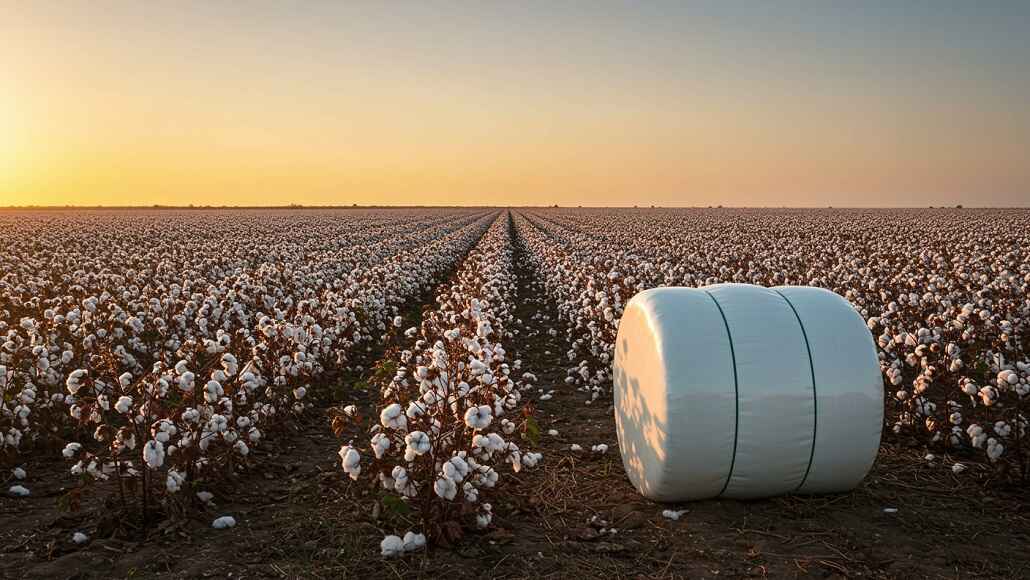
Organic cotton is harvested when the bolls have fully opened and the fibers achieve optimal length and strength. In many regions, hand picking is still common, as it allows for better fiber selection and reduces contamination. Mechanical harvesting can also be used, provided that defoliants or other prohibited chemicals are not applied.
Post‑harvest, keeping organic cotton separate from conventional cotton is critical. At the ginning stage, facilities must be cleaned and dedicated lines or time slots are used for organic lots. This segregation continues right through spinning, knitting or weaving, dyeing, and confection to ensure that organic integrity is maintained.
Organic Cotton vs Conventional Cotton: Key Differences
Comparing organic cotton vs conventional cotton highlights how different production philosophies translate into practical outcomes for the environment, farmers, and end consumers.
Conventional cotton farming typically uses high levels of synthetic fertilizers, insecticides, herbicides, and often GMO seeds designed for pest resistance or herbicide tolerance. These inputs can increase yields in the short term but create long‑term externalities, including soil degradation, water pollution, and pest resistance. Farm workers and nearby communities may experience health issues from pesticide exposure.
In contrast, organic cotton prioritizes ecosystem health and farmer welfare. By eliminating synthetic agrochemicals and GMOs, it reduces contamination of water bodies and improves on‑farm biodiversity. Farmers are less exposed to toxic substances and more likely to develop diversified cropping systems that buffer them against price and climate shocks. The fiber quality is often comparable or better, with many spinners and brands valuing the softness and strength of organic cotton.
From a market perspective, organic cotton commands a premium price, reflecting higher production costs and the added value of sustainable cotton production. Brands often leverage this premium through marketing narratives around environmental stewardship and responsible sourcing.
Certification and Production Standards: GOTS and Beyond
Because “organic” has become a powerful marketing term, credible certification is essential. This is where recognized standards such as the Global Organic Textile Standard (GOTS) play a central role in organic cotton farming and production.
What GOTS Certification Covers
GOTS certified textiles must meet strict criteria along the entire supply chain, not just at the farm level. Key requirements include:
-
Use of organic cotton as the primary fiber (with defined minimum percentages)
-
Prohibition of hazardous chemicals in processing, including certain dyes, heavy metals, and formaldehyde
-
Wastewater treatment at wet‑processing facilities
-
Restrictions on auxiliaries that may harm human health or the environment
-
Social compliance provisions, such as no child labor, safe working conditions, and fair treatment of workers
Independent, accredited bodies audit farms, ginners, spinners, mills, and garment factories to verify compliance. Each certified entity receives a unique scope certificate, and each shipment of goods is accompanied by a transaction certificate that traces the product back through the chain.
Other Organic and Sustainable Cotton Standards
Alongside GOTS, a number of other standards and initiatives support organic cotton and sustainable cotton production. These include farm‑level organic certifications aligned with national laws, the Organic Content Standard (OCS) for verifying organic fiber content, and broader initiatives focused on sustainable cotton, such as regional organic cotton programs or regenerative agriculture frameworks.
For buyers, the key is to insist on recognized certifications and to integrate them into sourcing contracts and supplier evaluations. This reduces the risk of greenwashing and makes it easier to communicate credible sustainability claims to consumers.
Environmental and Social Benefits of Organic Cotton
The environmental benefits of organic cotton extend across soil, water, biodiversity, and climate.
Healthy soils rich in organic matter are more resilient to erosion and extreme weather, storing more water and carbon. Reduced chemical inputs lower the risk of groundwater contamination and eutrophication of rivers and lakes. On farms, increased biodiversity from soil microbes to insects and birds supports natural pest control and pollination services.
On the social side, organic cotton farmers and workers often benefit from reduced exposure to toxic substances and improved working conditions, especially in certified supply chains that integrate social standards. When organic cultivation is combined with fair‑trade or cooperative structures, farmers can capture a larger share of the value created, helping stabilize rural livelihoods.
Consumers increasingly value these benefits. Choosing organic cotton garments, especially those labeled as GOTS certified, is a concrete way to support more sustainable cotton production and fairer supply chains.
From Farm to Fabric: The Organic Cotton Production Chain
Once harvested, organic cotton enters a multi‑stage production process before it becomes a finished product. Understanding this chain helps brands and manufacturers design more responsible sourcing strategies.
The main stages include:
-
Ginning : Separating cotton fibers (lint) from seeds and impurities while keeping organic and conventional lots segregated.
-
Spinning : Turning cleaned fibers into yarn, often using ring spinning or open‑end spinning technologies.
-
Knitting or Weaving : Converting yarns into fabrics such as jersey, interlock, denim, twill, or poplin.
-
Dyeing and Finishing : Applying color and finishes using approved dyestuffs and auxiliaries that meet organic or GOTS criteria, supported by effective wastewater treatment.
-
Cut‑and‑Sew : Transforming fabrics into garments, home textiles, or technical textiles, labeled and packed in line with certification requirements.
Throughout these stages, traceability and documentation are as important as technical quality. Each transfer of ownership or processing step generates paperwork that underpins certification claims and allows downstream buyers to verify that their organic cotton really originates from certified farms.
Strategic Considerations for Brands and Manufacturers
For brands considering a shift toward organic cotton farming and production in their supply chains, several strategic questions arise. Sourcing teams must evaluate availability and price volatility of organic cotton, assess supplier readiness for certification, and align procurement decisions with broader ESG targets.
Close collaboration with suppliers farm groups, ginners, spinners, and mills is essential. Long‑term contracts, pre‑financing, or support for farmer training can stabilize supply and encourage more growers to convert from conventional to organic cultivation. Integrating organic cotton into product design, marketing, and storytelling can then unlock value in the form of brand differentiation and deeper customer loyalty.
Ultimately, organic cotton, when backed by robust certification such as GOTS, offers a credible pathway toward more sustainable cotton production. It demonstrates that high‑quality textiles can be produced in ways that nurture soils, protect water, respect farmers, and meet growing consumer expectations for transparency and responsibility.