
































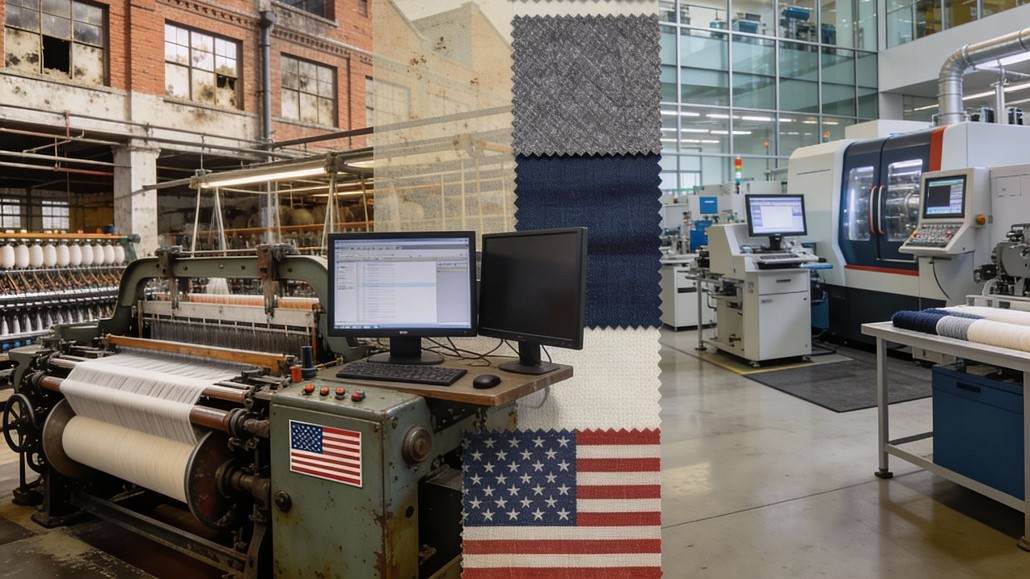

The question of whether the United States possesses a vibrant textile industry requires nuanced exploration. While the straightforward answer is yes, the landscape looks markedly different from the manufacturing powerhouse that once characterized New England and the American South. To grasp the current state of the US textile industry, we must examine its historical context, recognize the factors behind the decline in manufacturing employment, identify remaining domestic segments, and assess the likelihood of a revival in garment production.
Historical Significance of the Textile Industry
The textile industry played a pivotal role in America’s economic development, serving as an engine for early industrialization. It established New England as the original industrial hub and soon expanded throughout the South, contributing significantly to the national economy. The rise of American textile manufacturing coincided with the nation’s industrial revolution, providing job opportunities for those transitioning from agricultural lifestyles to manufacturing roles. However, the decline of textile manufacturing over recent decades marks a monumental economic shift, leading to regional disruption, workforce challenges, and social and political tensions.
Current State of Textile Production
Yes, the United States does produce textiles, but production levels have dramatically shrunk compared to historical outputs. Contemporary American textile production emphasizes technical textiles for industrial, medical, and military applications rather than basic apparel and home textiles. Despite this shift, the US remains one of the largest textile markets, yet about 98% of apparel consumed in America is manufactured overseas.
In 2024, American textile and apparel manufacturing generated approximately $63.9 billion in shipments a slight decline from $64.8 billion the previous year. US textile exports reached $28 billion, solidifying the nation’s status as the second-largest individual exporter of textile-related products worldwide. These figures, however, mask significant changes in what is produced. Modern American textile production focuses on specialized, high-value segments, leveraging technology and expertise rather than competing solely on cost.
Technical Textiles and Modern Production
Technical textiles are the fastest-growing segment of American textile production. This sector includes medical textiles used in surgical applications, protective fabrics for military and emergency personnel, industrial textiles for various manufacturing processes, and advanced sportswear fabrics using synthetic fibers. Significant investments have bolstered American capabilities in these specialized areas, allowing companies to command premium prices for their products.
Modern American textile facilities utilize advanced automation and computerized manufacturing systems, which help mitigate higher labor costs through increased productivity and quality. While producing lower volumes compared to vast Asian manufacturing centers, these facilities still achieve competitive revenues due to premium pricing.
Employment Trends in the US Textile Sector
Declining Workforce
Employment in the American textile and apparel manufacturing sector has contracted dramatically, diminishing from over 1.5 million workers in the 1970s to approximately 270,700 as of 2024 a decline exceeding 80 percent. This reduction stems from a combination of automation, which has decreased labor requirements, and the offshoring of remaining production to countries with lower costs. The sharpest losses have occurred in basic apparel manufacturing, which has largely disappeared, whereas segments focused on technical textiles maintain modest employment levels.
Geographic Concentration of Jobs
Remaining textile employment is geographically concentrated. North Carolina continues to be significant as a textile hub, albeit with scaled-back manufacturing activity. Massachusetts retains some specialty textile production, while Los Angeles has emerged as an unexpected center for apparel manufacturers serving local designers. This concentration reflects established supplier ecosystems and proximity to design centers.
Shifting Workforce Demographics
The demographic profile of the American textile manufacturing workforce has changed significantly. Many remaining positions are filled by immigrant workers, often with wages that are lower than in other manufacturing sectors. Textile manufacturing wages typically range from approximately $18 to $25 per hour for skilled roles, which hampers supporting middle-class living standards in developed American states.
Major American Textile Companies
Identifying the largest American textile companies depends on how we measure size—by revenue, employment, or manufacturing capacity. It’s also important to distinguish between American-owned companies and foreign firms operating domestically.
Nike Inc. and The TJX Companies rank among the largest American apparel and footwear companies by revenue, but they generate most income from brand development and retail rather than textile manufacturing. Although these companies operate in America, their manufacturing is primarily sourced from overseas suppliers.
V.F. Corporation, operating brands like Vans, The North Face, and Timberland, has annual revenues exceeding $11 billion but similarly lacks significant domestic production. PVH Corporation, which operates Calvin Klein and Tommy Hilfiger, also generates substantial revenue while primarily sourcing manufacturing from abroad.
Specialized Manufacturing Companies
In the realm of actual textile manufacturing, smaller companies play increasingly vital roles. These firms focus on technical textiles, medical fabrics, and specialty textiles, representing the remaining foundation of US textile production. While these businesses may lack the brand recognition of larger companies, they are crucial for specialized sectors.
Companies like DuPont, Kimberly-Clark, and various mid-sized specialty textile manufacturers maintain significant production capabilities in the US. Newer brands focusing on sustainability, transparency, and ethical production such as Everlane and Reformation appeal to consumers willing to pay a premium for domestically-made products.
The Historic Decline of the US Textile Industry
Economic Forces at Play
The decline of the American textile industry is one of the most substantial industrial contractions in US economic history. Decline began in the 1970s and accelerated in the following decades as production shifted predominantly to countries with lower costs. Multiple economic forces, corporate decisions, and policy directions contributed to this decline.
Rising labor costs have been the principal economic driver for the downturn in American textile manufacturing. Labor regulations mandate fair wages and a range of employee protections, inflating production costs compared to developing nations. American textile workers historically earned wages sufficient for middle-class living, while counterparts in countries such as India, Bangladesh, and China often receive a fraction of those amounts. Consequently, as American consumer demand for low-cost clothing surged particularly with the rise of fast fashion manufacturers increasingly sought production sites that would not negatively impact profit margins.
Corporate Strategies and Profits
Corporate restructuring aimed at profit maximization has exacerbated the decline, particularly as textile companies transitioned to publicly traded corporations. Shareholder pressures prompted executives to reduce costs aggressively, shifting the focus from manufacturing to brand development and retail strategies, often viewing manufacturing merely as a cost center.
China’s emergence as a manufacturing giant further transformed the competitive landscape. Throughout the late 20th century, China systematically developed its textile manufacturing infrastructure, achieving improvements in product quality while keeping labor costs much lower than in the US.
Trade Policies and Outsourcing
Trade agreements like NAFTA have facilitated the decline of American textile manufacturing by easing tariffs and import restrictions that once sheltered domestic firms from foreign competition. The normalization of trade with China in 2001 allowed for easier imports of finished goods, further eroding the domestic textile base.
While policymakers generally welcomed trade liberalization, promoting overall economic benefits, those benefits did not reach thousands of textile workers experiencing job losses.
The Impact of Globalization on Manufacturing
The globalization of trade and innovations in transportation made offshore manufacturing increasingly attractive. Developments in container shipping and air freight transformed the economics of producing textiles overseas. Container efficiencies and shipping advancements allowed companies to manufacture textiles far from the American market while remaining competitive in delivery times and costs.
Regional Economic Repercussions and Ongoing Challenges
The decline of American textile manufacturing has profoundly impacted specific regions, especially in the Southern states, which relied heavily on the industry. The closure of thousands of mills led to widespread unemployment, population loss, and economic stagnation. Mill towns in North Carolina, South Carolina, Georgia, and Tennessee suffered significant declines in tax revenues and social cohesion as jobs disappeared.
The effects of job losses extended beyond manufacturing, impacting related industries like equipment suppliers and chemical manufacturers. These sector losses led to cascading effects that devastated entire industrial ecosystems.
Structural Challenges
Contemporary American textile manufacturing faces persistent structural challenges that seem unlikely to substantially change. Automation continues to reduce labor needs, meaning even reshoring efforts result in far fewer job opportunities than those historically available. Younger generations are increasingly detached from manufacturing roles, viewing them as less appealing compared to knowledge-based careers.
The jobs that remain are also increasingly filled by immigrant workers at wages that fail to support middle-class lifestyles, complicating efforts to revitalize the workforce.
The Global Textile Landscape
China’s dominance in the global textile sector remains evident, encompassing fiber production, spinning, weaving, processing, and garment manufacturing. The country’s established infrastructure, expertise, and integrated supply chains ensure its continued leadership any threats to this position seem minimal for the foreseeable future.
Beyond China, other countries have become prominent in the textile sector. Vietnam leads in garment assembly, while Bangladesh specializes in cost-effective apparel. Italy is renowned for luxury fabrics, and Germany excels in technical textiles. While the US once held a commanding position, it now specializes in technical textiles, maintaining the second-largest global textile market despite minimal domestic apparel production.
Minimalism and the 3-3-3 Rule
The 3-3-3 rule introduces a cultural shift in consumer behavior that may indirectly impact the US textile industry. This minimalist approach encourages individuals to select three tops, three bottoms, and three pairs of shoes, forming a versatile capsule wardrobe.
The Philosophy Behind Minimalism
The 3-3-3 rule reflects consumer sentiment against fast fashion, promoting intentional choices in clothing acquisitions. Through focusing on quality over quantity, consumers can minimize waste without sacrificing style, an approach that may influence textile industry demands.
Understanding the Shift in American Clothing Manufacturing
The primary reason most American clothing is no longer produced domestically is simple: offshore manufacturing is significantly cheaper. Labor costs remain the largest component of apparel production expenses, with overseas labor becoming a fraction of American rates. Thus, a garment made in the US might cost between $8 and $12 to produce, while the same garment manufactured in Bangladesh or Vietnam could cost just $2 to $4.
These labor cost differentials extend beyond hourly wages to encompass employee benefits. American garment manufacturing incurs expenses related to health insurance, retirement contributions, and safety regulations, while developing nations maintain minimal benefits and looser regulations.
Structural Barriers to American Production Revival
Numerous structural barriers impede a meaningful revival of American apparel manufacturing. The dwindling availability of skilled sewing machine operators, coupled with an aging workforce, limits a possible resurgence. Few young people aspire to enter the profession, and the capital investment needed for modernized manufacturing facilities can reach hundreds of millions of dollars an investment few are willing to risk when competitive alternatives exist abroad.
Prospects for Revival
While prospects for a robust revival of American apparel manufacturing remain limited, niche opportunities do exist. Nearshoring to Mexico and Central America presents geographic advantages, particularly for brands emphasizing quick response and domestic production. Technical textiles and specialty fabrics continue to be viable, where expertise and innovation justify higher labor costs.
The reality remains that the vast majority of basic apparel consumed in America will continue to be produced overseas. However, this presents neither catastrophe nor triumph, but rather reflects the outcome of economic logic within a globally integrated economy.
Conclusion: The Evolution of the US Textile Industry
The US textile industry, while alive, has transformed considerably from its historical roots. Contemporary production emphasizes specialization and innovation rather than cost competitiveness. The decline of American textile manufacturing showcases rational economic responses to labor costs, globalization, and corporate strategies.
As current policy discussions emphasize reshoring and domestic production, the challenges facing revival efforts are substantial. However, potential growth in certain specialized sectors, driven by consumer preferences for quality and sustainability, offers a glimmer of hope. As both the textile industry and American consumer behavior continue to evolve, the story of US textile manufacturing remains one of dynamic change shaped by broader economic trends.