



























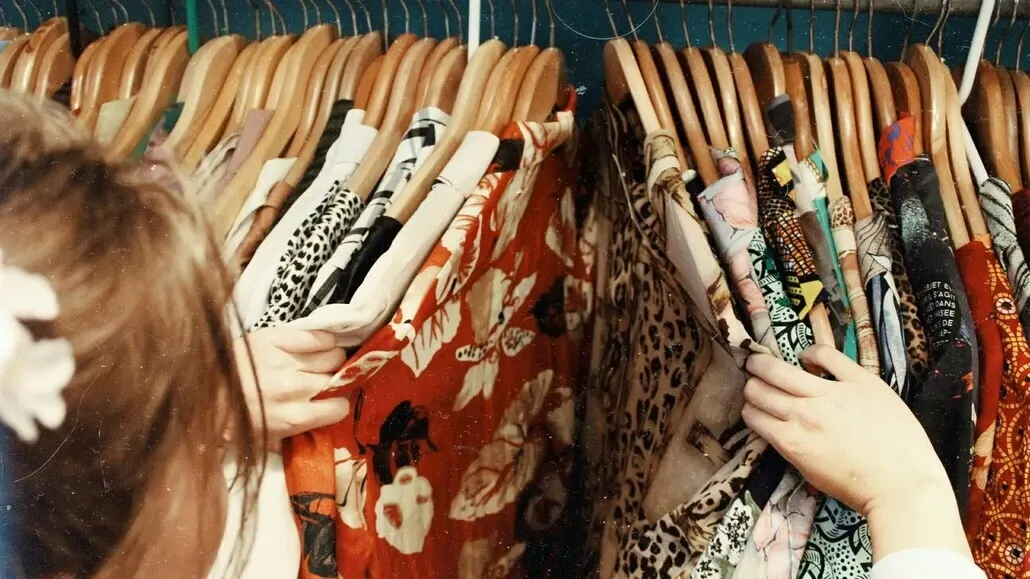
The UK’s secondhand economy is moving from the margins to the centre of fashion shopping, with new analysis from MediaVision suggesting resale is now competing directly with traditional retail for consumer attention and spend. Tracking real-time online search behaviour, the marketing and analytics firm says secondhand fashion is increasingly embedded in how shoppers browse, compare and buy—particularly as household budgets remain under pressure.
MediaVision’s data indicates the UK resale market is no longer driven only by the most sustainability-minded consumers. Instead, resale is becoming a routine step in the purchase journey, as shoppers weigh price, quality and environmental impact together. Platforms such as Vinted have benefited from that shift, with MediaVision describing secondhand as “no longer niche” and pointing to rapid platform growth as evidence of a broader behavioural change.
The findings arrive soon after Vinted completed an €880m secondary share transaction that valued the business at €8bn ($9.3bn) in equity. MediaVision notes that Vinted now ranks as the UK’s third-largest retailer by revenue—an outcome that, in the firm’s view, underlines how resale has become a “default shopping journey” rather than a fallback option.
The knock-on effects are being felt across the wider retail landscape. The data says the rise of the UK resale market is pushing established brands to rethink their strategies—whether through partnerships with resale platforms, the launch of branded pre-owned offers, or a stronger focus on sustainability messaging across ranges and campaigns. Importantly, the shift does not appear to reflect waning interest in fashion. Instead, shoppers are stretching purchasing power further by mixing new items with preloved finds.
MediaVision PR expert Annabelle Sacher characterised the trend as structural rather than cyclical. “The shift towards resale is more than a trend, it’s a fundamental change in consumer behaviour. Shoppers are looking for smarter ways to engage with fashion, and brands that embrace resale, sustainability, and value-led options are the ones winning attention and loyalty.”
Fashion still dominates ecommerce discovery, according to the company’s research, accounting for around 30% of retail-related online searches. High-street brands continue to represent just under half of overall fashion demand, the data says, but the fastest growth is coming from resale and preloved categories—signalling that secondhand is gaining share even while mainstream players remain prominent.
The data suggests consumers are increasingly building “blended baskets,” pairing secondhand purchases with new-product shopping to manage spending during ongoing cost-of-living pressures. MediaVision content expert Jacky Lovato said the direction of travel is clear and is already reshaping competitive dynamics across online fashion. “The trajectory isn’t surprising. We’re seeing a clear surge in the second-hand market, driven by the ongoing cost-of-living squeeze and broader shift towards more sustainable fashion. More broadly, there are early signs of a shift towards resale, with Vinted gaining while players like Shein decline.”