

























US NIST Database Transforms Textile Recycling

Note* - All images used are for editorial and illustrative purposes only and may not originate from the original news provider or associated company.

Subscribe

- Never miss a story with notifications

- Browse free from up to 5 devices at once

- Gain full access to our premium content

Media Packs

Expand Your Reach With Our Customized Solutions Empowering Your Campaigns To Maximize Your Reach & Drive Real Results!
โ€“ Access The Media Pack Now!
โ€“ Book a Conference Call
โ€“ Leave Message for us to Get Back

Related stories

M&S Expands Biomethane Truck Fleet to Cut Logistics Emissions

Marks & Spencer is accelerating its effort to decarbonise...

The Dirty Truth About Donated Clothes and Where They Go

A bag of unwanted shirts dropped at a charity...

Under Armour Joins US Cotton Trust Protocol for Traceability

Under Armour has signed on to the US Cotton...
AI Summary

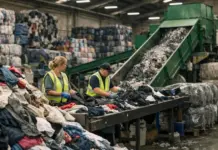
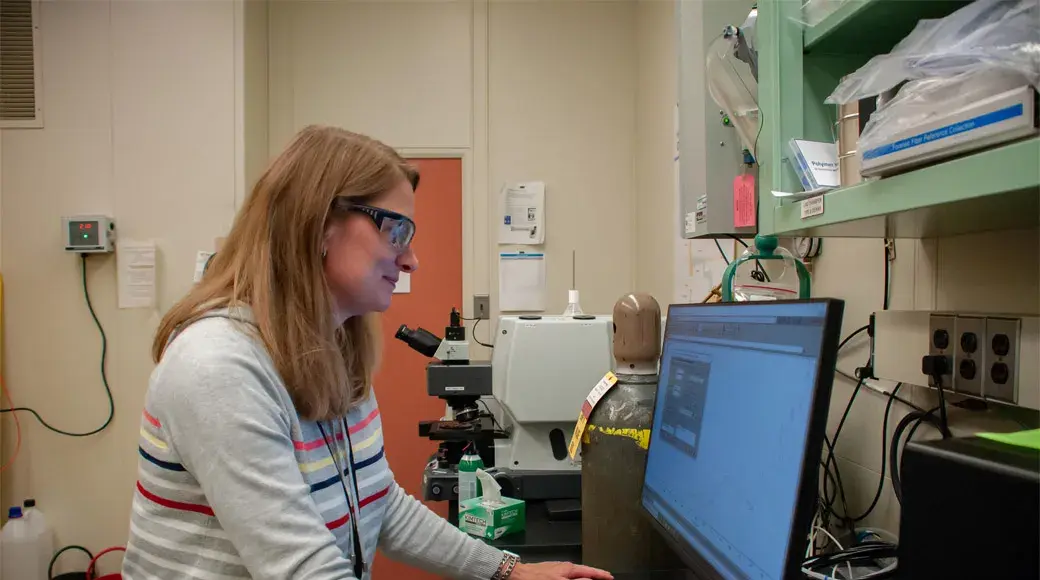
Researchers at the US National Institute of Standards and Technology (NIST) have unveiled a groundbreaking database designed to streamline the recycling of textile fibres. This innovative resource, called the Near-Infrared Spectra of Origin-defined and Real-world Textiles (NIR-SORT), serves as a comprehensive collection of molecular “fingerprints” for various fabric types, enabling quicker and more efficient sorting processes at recycling facilities.

The NIR-SORT database includes data from 64 different fabric types, ranging from pure fibres like cotton and polyester to blends such as spandex mixtures. It also incorporates real-world textiles sourced from thrift stores, ensuring practical applicability in diverse scenarios.

Manufacturers of near-infrared (NIR) scanning systems can use the database to train and refine their sorting algorithms, enhancing the accuracy and effectiveness of their machines. โ€œThis reference data will help improve sorting algorithms and unlock the potential for high-throughput sorting, which requires less manual labour,โ€ explained Amanda Forster, a materials research engineer at NIST. She added that this advancement could lower costs and boost efficiency, making textile recycling a more economically feasible option.

To create the database, researchers employed near-infrared spectroscopy, a powerful lab technique that analyzes how light interacts with materials. By measuring how light scatters off or passes through a fabric sample, the method generates a unique “fingerprint” that identifies the type of fibres present. This high-quality reference data is essential for improving sorting technologies, particularly as manufacturers increasingly rely on machine learning and AI to optimize their systems.

The NIST database, freely accessible through its public data repository, is expected to be a valuable tool for recycling equipment manufacturers. By providing precise spectral data, it aims to reduce errors in fabric identification and increase the percentage of textiles that can be successfully recycled.

With NISTโ€™s expertise as the nationโ€™s premier measurement institute, the database ensures a level of accuracy that could revolutionize the textile recycling industry, promoting sustainability and reducing the burden on landfills.

Connecting Textile, Apparel & Fashion Decisionโ€‘Makers Worldwide

Global Textile Times

Global Textile Times brings together the global supply chainโ€”from raw materials and manufacturing to brands and retailersโ€”through trusted editorial, market intelligence, and digital engagement.

Our 2026 Media Pack offers integrated solutions to reach your audience:

  • Print & Digital Editions โ€“ Showcase your brand within premium editorial coverage and online channels read by executives and influencers.
  • Industry Insights & Reports โ€“ Align with data-driven analysis, trend reports, and regional roundups across the global textile value chain.
  • Brand Authority & Credibility โ€“ Position your company as a thought leader by associating with expert commentary, interviews, and special features.

Download the Media Pack to activate your presence across the global textile and apparel ecosystem.

Latest stories

Related stories

M&S Expands Biomethane Truck Fleet to Cut Logistics Emissions

Marks & Spencer is accelerating its effort to decarbonise...

The Dirty Truth About Donated Clothes and Where They Go

A bag of unwanted shirts dropped at a charity...

Under Armour Joins US Cotton Trust Protocol for Traceability

Under Armour has signed on to the US Cotton...

Subscribe

- Never miss a story with notifications

- Gain full access to our premium content

- Browse free from up to 5 devices at once

Media Packs

Expand Your Reach With Our Customized Solutions Empowering Your Campaigns To Maximize Your Reach & Drive Real Results!

โ€“ Access The Media Pack Now!
โ€“ Book a Conference Call
โ€“ Leave Message for us to Get Back

Translate ยป