





























Formic acid, a versatile and essential chemical, is becoming increasingly vital in several industries, including textiles. According to a recent market report by DataM Intelligence, the global formic acid market is projected to grow from $1.1 billion in 2022 to $1.4 billion by 2031, with a steady annual growth rate (CAGR) of 3.7% from 2024 to 2031. But what makes formic acid so critical, especially for the textile sector? Let’s break it down.
Why Formic Acid Matters in Textiles
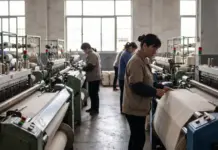
Formic acid is widely used in dyeing and leather tanning processes due to its chemical properties. It serves as a pH regulator and ensures effective dye adherence to fabrics. With the continuous expansion of the textile industry, driven by investments and innovation globally, the demand for formic acid is steadily rising. For example, significant investments like Xihe Textile Technology’s $12.89 million garment manufacturing project in Bangladesh are set to boost demand for formic acid in the region by 2024.
Formic acid use in textile applications is not limited to just dyeing. It’s application extends to leather processing, where it is indispensable in tanning methods. As fashion and furniture industries grow, the leather sector’s reliance on formic acid further accelerates its market expansion.
Innovations and Environmental Impacts
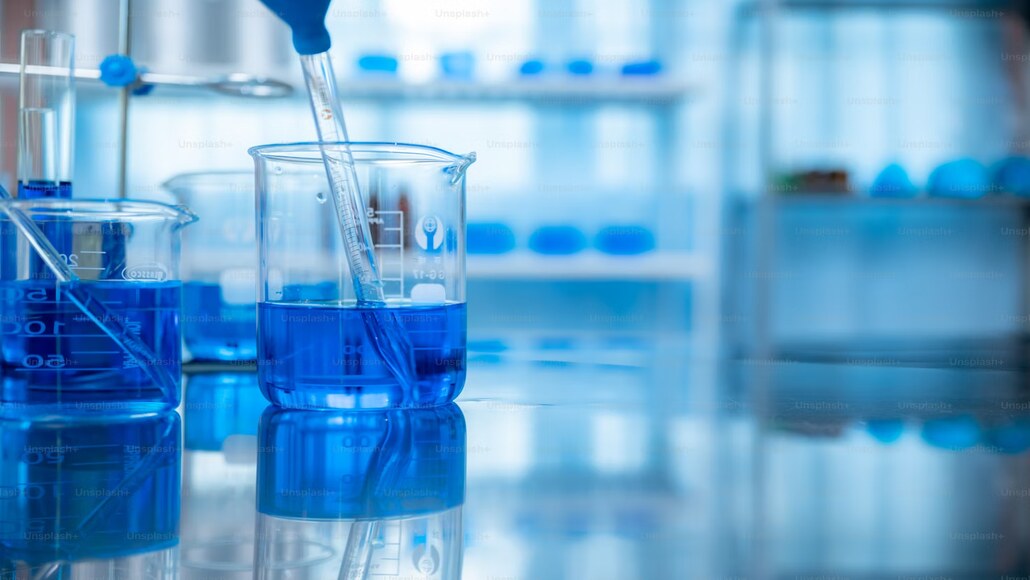
Recent technological advancements have further highlighted formic acid’s potential. Researchers at the Indian Institute of Technology Guwahati have developed an innovative process to release hydrogen gas from methanol without harmful carbon dioxide emissions. This environmentally friendly approach not only provides hydrogen but also produces formic acid as a byproduct. Such innovations present opportunities for formic acid to play a dual role in advancing sustainability while supporting industrial use.
Challenges and Global Dynamics
Despite its promising future, the formic acid market faces some hurdles. Tariff wars, particularly in the U.S., are increasing production costs and disrupting supply chains. Companies are compelled to reassess their operational strategies to adapt to volatile trade dynamics. Such uncertainties demand data-driven decision-making to maintain competitiveness.
Geographically, Asia-Pacific is emerging as a dominant player in the formic acid market, supported by rapid industrialization, particularly in countries like China, India, and Bangladesh. Meanwhile, established markets in Europe and North America continue to maintain significant shares through innovation and stable end-user demand.
Looking Ahead
As industries grow more aligned with sustainable practices, formic acid’s role is expected to expand further. Its environmental applications, such as in hydrogen production, alongside its established use in textiles and leather, position it as a critical player in global markets.
For the textile industry, particularly, formic acid is not just a chemical—it’s a catalyst for better quality, efficiency, and environmental responsibility. As investments pour into textile manufacturing globally, the demand for formic acid will only grow, cementing its role as an indispensable resource in the years to come.
In conclusion, formic acid is more than an industrial chemical; it’s a key ingredient driving growth and innovation in textiles and beyond. With the industry poised for expansion, formic acid will remain a cornerstone of its evolving framework.

