


























AAFA & FLA Stress Importance of Labor Programs in Jordan

Note* - All images used are for editorial and illustrative purposes only and may not originate from the original news provider or associated company.

Related stories

EU Digital Product Passport Impact on Apparel SMEs

The European Union is advancing its environmental agenda through...

Pakistan Exports Increase to $2.96 Billion in Opening Month of Fiscal Year

Pakistan’s trade sector commenced the new fiscal year on...

Rethinking the Industry: Moving Beyond Consumer Action

The dominant conversation surrounding sustainability often places the burden...
AI Summary

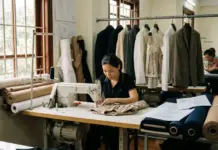
In a recent appeal, fashion industry buyers have written to the Jordanian government, emphasizing the importance of the International Labor Organization-International Finance Corporation (ILO-IFC) Better Work Jordan program and the Workers Center. These initiatives are vital for protecting the rights and welfare of garment workers within the country.

Since 1956, Jordan has been a member of the ILO, having ratified a total of 26 Conventions that align with global labor standards. This long-standing commitment underscores the nation’s dedication to improving working conditions.

The Better Work Jordan program and the Workers Center are instrumental in providing essential services and protections for both local and migrant workers in Jordan’s garment sector. They ensure that internationally recognized labor rights standards are being monitored and enforced.

As part of their letter, the American Apparel & Footwear Association (AAFA) and the Fair Labor Association (FLA) highlighted the critical role these programs play in maintaining buyer confidence in Jordan as a sourcing destination. They cautioned that the cessation of these initiatives could jeopardize growth and create uncertainty in sourcing decisions.

“Without these programs, confidence in Jordan as a sourcing location would diminish, turning what could be a significant opportunity into a missed one,” the letter stated. They have also requested a meeting with government officials to further discuss the continuation of these important initiatives.

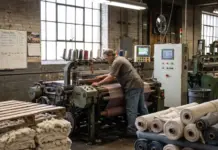
Earlier this year, Jordan’s Ministry of Labor announced a new collective labor contract aimed at raising the minimum wage for workers in the textile sector, which includes spinning, weaving, and clothing production, signaling ongoing efforts to enhance labor conditions in the country.

Never miss a textile headline

The textile industry moves fast – stay on top of it with our must-read briefings.

Textile Industry News Updates | Global Textile Magazine

  • The top textile stories, straight to your inbox
  • The biggest news, features, interviews, and analysis
  • Dedicated coverage of the key developments driving global textile trade

Subscribe

- Never miss a story with notifications

- Browse free from up to 5 devices at once

- Gain full access to our premium content

Media Packs

Expand Your Reach With Our Customized Solutions Empowering Your Campaigns To Maximize Your Reach & Drive Real Results!
– Access The Media Pack Now!
– Book a Conference Call
Leave Message for us to Get Back

Latest stories

Related stories

EU Digital Product Passport Impact on Apparel SMEs

The European Union is advancing its environmental agenda through...

Pakistan Exports Increase to $2.96 Billion in Opening Month of Fiscal Year

Pakistan’s trade sector commenced the new fiscal year on...

Rethinking the Industry: Moving Beyond Consumer Action

The dominant conversation surrounding sustainability often places the burden...

Subscribe

- Never miss a story with notifications

- Gain full access to our premium content

- Browse free from up to 5 devices at once

Media Packs

Expand Your Reach With Our Customized Solutions Empowering Your Campaigns To Maximize Your Reach & Drive Real Results!

– Access The Media Pack Now!
– Book a Conference Call
Leave Message for us to Get Back