































The intimate apparel landscape is undergoing a profound transformation, driven by a growing recognition that what touches our skin most intimately deserves nothing less than nature’s finest offerings. As sustainability becomes central to consumer consciousness, plant-based and biodegradable fibres are reshaping how we think about comfort, health, and environmental responsibility in lingerie. This shift represents more than a fleeting trend; it reflects a fundamental reimagining of intimate wear where breathability, skin wellness, and ecological stewardship converge.
Consumer Preferences
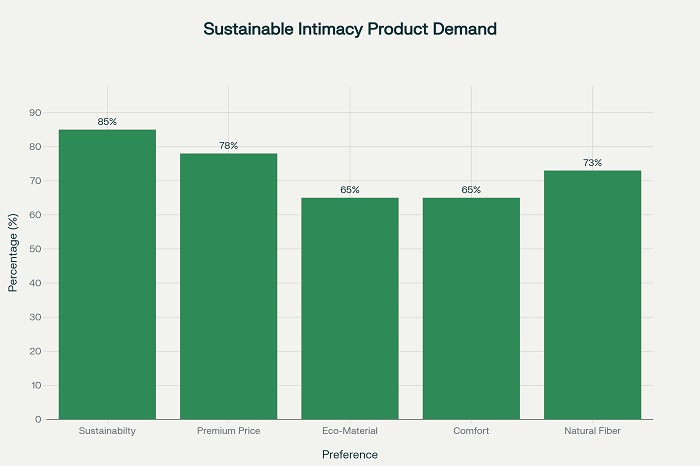
The statistics paint a compelling picture of this revolution. Research shows that 85 percent of consumers now consider sustainability when purchasing intimate apparel, while 78 percent willingly pay premium prices for eco-friendly materials. The sustainable intimate apparel market, valued at approximately 500 million dollars in 2025, is projected to expand at a compound annual growth rate of 12 percent through 2033, reflecting intensifying demand for garments that nourish both body and planet. More specifically, the bamboo panties market alone has reached 1.5 billion dollars with similar growth momentum, signalling that natural fibres have transcended niche markets to become mainstream essentials.
What makes this transition particularly significant is the convergence of performance, aesthetics, and responsibility. Natural fibres aren’t simply sustainable choices; they deliver tangible benefits that synthetic alternatives cannot match. These materials offer exceptional breathability, sophisticated moisture management, and inherent antimicrobial properties while maintaining the softness and durability modern consumers expect. For individuals with sensitive skin, these fibres represent liberation from irritation and discomfort that conventional intimate wear often produces.
Understanding the Natural Fibres Revolution in Intimate Wear
The evolution toward natural fibres in intimate apparel stems from a recognition that intimate wear serves a unique function in our daily lives. Unlike outerwear, intimates remain in direct contact with the most sensitive areas of the body for extended periods, making fabric choice profoundly consequential for both health and comfort. Traditional synthetic materials, while offering affordability and durability, come with inherent drawbacks: they trap moisture, restrict airflow, and lack the biological affinity that natural fibres possess for human skin.
Natural fibres represent a return to textile principles that have sustained humanity for millennia, yet refined through contemporary sustainability practices. These materials are cultivated through methods that minimise environmental degradation, processed without excessive chemical inputs, and ultimately return to the earth at the end of their lifecycle. This circularity stands in stark contrast to petrochemical-derived synthetics that persist in ecosystems for decades.
The most prominent natural fibres revolutionising intimate apparel include organic cotton, bamboo, hemp, modal (derived from beech wood), and linen. Each brings distinctive properties that address specific comfort needs and performance requirements. Organic cotton provides the familiar softness and breathability of traditional cotton without the pesticide residues and water depletion associated with conventional cultivation. Bamboo delivers exceptional silkiness coupled with superior moisture-wicking capacity, making it ideal for humid climates and active days. Hemp brings remarkable durability and natural antimicrobial resilience, while modal and linen offer luxurious textures paired with efficiency in both production and wearability.
The transition isn’t merely aesthetic or aspirational; it’s rooted in tangible physiological benefits. Natural fibres allow skin to breathe, enabling the body’s natural thermoregulation without interference. They wick moisture away efficiently, preventing the damp environment where bacteria and fungi proliferate, thereby reducing infection risk and maintaining optimal vaginal pH balance. These aren’t marketing claims but documented characteristics supported by textile science and consumer experience.
The Science of Comfort: How Natural Fibres Meet Modern Expectations
Breathability and Moisture Management in Intimate Spaces
The human body’s intimate regions maintain delicate moisture balance essential for health. Excessive moisture accumulation creates conditions conducive to bacterial overgrowth and fungal infections, while insufficient moisture can cause irritation and discomfort. Synthetic fabrics, particularly polyester and nylon blends commonly used in conventional lingerie, trap perspiration against the skin, disrupting this natural balance and creating an environment where pathogens flourish.
Natural fibres possess inherent moisture-wicking properties that draw sweat away from the body while maintaining breathability. Bamboo fabric, for instance, demonstrates exceptional capacity to absorb moisture—up to three times more than cotton—while remaining breathable, allowing air circulation that prevents heat and humidity accumulation. This characteristic proves particularly valuable during menstruation, when the body experiences heightened temperature fluctuations and increased moisture production. Similarly, hemp’s exceptional breathability maintains skin temperature and moisture levels through natural airflow, reducing infection risk and enhancing comfort during hormonal fluctuations.
Modal, created from sustainably sourced beech wood through closed-loop production, offers unparalleled softness alongside excellent moisture absorption. The fabric’s structure allows for rapid moisture evaporation without creating dampness against the skin, making it exceptional for individuals experiencing night sweats or menopausal temperature changes. Linen, derived from flax, provides superior breathability due to its fibrous structure, which naturally allows air passage and moisture dispersal, making it particularly suitable for warm climates and individuals prone to overheating.
Natural Antimicrobial Properties and Skin Health Benefits
Perhaps the most compelling advantage of natural fibres lies in their inherent antimicrobial characteristics. Unlike chemical antimicrobial treatments applied to synthetic fabrics—treatments that can disrupt the skin microbiome and raise health concerns—natural antimicrobial properties arise from the fibre’s fundamental biological structure.
Hemp exemplifies this phenomenon remarkably. Research has demonstrated that hemp fibres contain cannabinoids and lignin compounds that naturally resist bacterial and fungal growth. A 2020 study published in the Textile Research Journal confirmed that hemp fabrics showed significant antimicrobial activity against Candida albicans, the fungus responsible for many yeast infections. This natural resistance means hemp garments can remain fresher longer without accumulating odours, reducing the frequency of washing required while actively supporting intimate health.
Linen similarly possesses natural antibacterial properties derived from the fibre’s composition and structure. Flax fibres naturally inhibit microbial growth through their cellulose content and fibrous architecture, creating an environment where bacteria struggle to proliferate. This explains the historical prevalence of linen in intimate wear across cultures and centuries—people intuitively recognised that linen garments simply felt fresher and healthier than alternatives.
Bamboo contributes its own antimicrobial arsenal. The natural properties present in bamboo fabric help resist bacterial and fungal colonisation, supporting vaginal wellness and reducing odour development. For individuals with eczema, psoriasis, or contact dermatitis triggered by conventional fabrics, these natural antimicrobial properties prove invaluable without introducing synthetic chemical treatments that might provoke reactions.
Organic cotton, while less dramatically antimicrobial than hemp or linen, offers hypoallergenic advantages absent in conventionally grown cotton. Grown without synthetic pesticides, herbicides, or chemical fertilizers, organic cotton eliminates residues that can trigger allergic reactions or skin irritation in sensitive individuals. Its natural breathability and ability to absorb moisture while remaining breathable make it a reliable choice for everyday comfort.
Skin-Friendly Properties and Hypoallergenic Characteristics
For individuals navigating menopause, post-surgery recovery, or chronic skin conditions, fabric choice becomes therapeutic rather than merely functional. Natural fibres offer unparalleled gentleness through their chemical simplicity and biological compatibility with human skin.
Organic cotton and bamboo both represent exceptional choices for sensitive skin. The softness of bamboo fibre, often described as comparable to silk or cashmere, eliminates friction that can provoke irritation or exacerbate existing conditions. Unlike synthetic materials that can feel rigid or uncomfortable, bamboo’s silky texture accommodates the delicate nature of intimate skin without creating mechanical irritation. Its moisture-wicking properties simultaneously prevent the moisture-related irritation common with synthetic alternatives.
Modal fabric achieves a remarkable balance of luxury and health. Its ultra-softness provides comfort comparable to premium lingerie while maintaining properties essential for intimate health. The fabric’s smooth fibre structure creates minimal friction, making it ideal for post-surgery recovery when skin sensitivity reaches peak levels. Dermatologists and oncology nurses increasingly recommend modal-based intimate wear for post-operative care because it provides essential support without introducing chemical irritants or creating excessive friction.
Hemp stands out for individuals with severe sensitivities or specific conditions. The fibre’s natural chemical composition excludes substances that commonly trigger reactions. Combined with hemp’s inherent antimicrobial properties and moisture management capabilities, it creates an environment where irritated skin can genuinely heal. Individuals with chronic conditions like lichen sclerosus or vulvodynia often report significant symptom improvement when transitioning to hemp-based intimate wear, likely owing to the fibre’s natural pH balance support and elimination of irritating chemical residues.
Linen provides similar benefits through its natural composition and minimal processing requirements. The fibre’s structure naturally resists bacterial colonisation while remaining inert enough to avoid triggering immune responses in sensitive individuals. Its ability to maintain moisture balance without trapping perspiration makes it particularly valuable for individuals experiencing post-menopausal skin changes characterised by both dryness and sensitivity.
Durability and Longevity: The Overlooked Value Proposition
Contemporary consumer culture often equates natural materials with fragility, assuming that organic fabrics sacrifice durability for sustainability. This assumption fundamentally misrepresents how natural fibres perform in intimate wear applications.
High-quality natural fibres actually demonstrate superior durability compared to synthetic alternatives when properly cared for. Hemp fibre possesses remarkable tensile strength, making garments genuinely durable despite the fabric’s softness. Linen similarly demonstrates exceptional resilience, often improving with age as fibres naturally soften through washing without degrading structurally. Cotton naturally maintains shape and integrity through hundreds of wash cycles, while bamboo and modal, when produced through closed-loop systems by reputable manufacturers, retain their shape and finish even after frequent washing.
The difference lies in production quality and fibre sourcing. Garments crafted from premium natural fibres by ethical manufacturers far outlast typical fast-fashion synthetics, which often exhibit pilling, stretching, and deterioration after minimal wear. A study examining intimate apparel longevity revealed that women who transitioned from synthetic to natural fibre intimate wear kept garments an average of 40 percent longer, reflecting both the superior durability of the materials and increased attachment to higher-quality pieces.
This extended lifespan represents genuine environmental benefit. While natural fibres carry higher initial production costs than synthetics, their longevity means fewer replacements, ultimately reducing total environmental impact across a product’s lifetime. An intimate wear piece kept for five years generates less cumulative environmental burden than three replacements of cheaper synthetic garments, even accounting for the additional resource input required for natural fibre production.
Fibre Characteristics
| Fibre | Breathability | Moisture Wicking | Softness | Antimicrobial | Water Usage | Biodegr-adable | Durability |
| Organic Cotton | Excellent | Good | Soft | Natural | High | Yes | High |
| Bamboo | Excellent | Excellent | Very Soft | Natural | Very Low | Yes | Moderate-High |
| Hemp | Superior | Excellent | Moderate | Natural | Very Low | Yes | Very High |
| Modal (TENCEL) | Excellent | Excellent | Ultra-Soft | Limited | Low | Yes | Very High |
| Linen | Superior | Excellent | Moderate | Natural | Low | Yes | Very High |
Responsible Sourcing and Ethical Production Practices
The narrative surrounding natural fibres encompasses more than material properties; it encompasses who grows those materials and under what conditions. Responsible sourcing represents a fundamental pillar distinguishing genuinely sustainable intimate wear from greenwashed alternatives that merely substitute materials without addressing systemic ethical concerns.
Organic cotton production exemplifies responsible sourcing principles. Rather than relying on synthetic pesticides and fertilisers that damage soil health and contaminate water systems, organic cultivation restores ecosystem function while supporting farmer wellbeing. Organic cotton farming practices eliminate exposure to toxic chemicals, reducing health risks for farmers and communities while increasing soil carbon retention. Fair-trade certification systems ensure that farmers receive equitable compensation, enabling investment in their communities and supporting long-term agricultural viability.
Bamboo cultivation represents another responsible sourcing success story, provided production occurs through closed-loop systems. While bamboo grows rapidly without requiring pesticides or fertilisers—using a fraction of the water that cotton demands—the processing into fibre involves chemical solvents. Responsible manufacturers employ closed-loop systems that recycle and reuse up to 99 percent of these solvents, returning them to production cycles rather than releasing them into waterways. This approach dramatically reduces environmental impact while maintaining the material’s inherent sustainability advantages.
Hemp production aligns naturally with responsible sourcing principles. Hemp grows prolifically without pesticide requirements, improves soil quality through cultivation, and produces abundant fibre from minimal inputs. The fibre requires significantly less water than cotton or bamboo, and processing can employ environmentally sound methods that avoid excessive chemical inputs. Additionally, hemp cultivation supports agricultural diversification in many regions, helping farmers reduce dependence on monoculture crops that deplete soils and create ecosystem vulnerability.
Certifications provide consumers with assurance that responsible sourcing principles have been implemented genuinely. GOTS (Global Organic Textile Standard) certification verifies organic production throughout the supply chain while ensuring fair labour practices. OEKO-TEX certification confirms that textiles have been tested and certified to meet stringent environmental and toxicological standards, ensuring products contain no harmful substances. Lenzing’s responsible viscose and modal production through closed-loop systems carries certifications confirming minimal environmental impact during fibre processing.
When consumers select intimate wear from brands prioritising responsible sourcing and maintaining certifications, they actively support agricultural practices that regenerate ecosystems, worker compensation that enables dignified living standards, and production methods that minimise pollution. This engagement transforms purchasing decisions from mere consumption into participation in a more equitable, sustainable system.
Market Growth and Consumer Adoption Patterns
The momentum behind natural fibres in intimate apparel reflects genuine structural market transformation rather than temporary consumer enthusiasm. Market data reveals consistent, accelerating adoption across demographic segments and geographic regions, driven by converging factors that show no signs of reversal.
| Market Segment | Market Size 24 – 25 US$ M | CAGR % | Projected Growth |
| Sustainable Intimate Apparel Market | 500 | 12 | 2033 |
| Bamboo Panties Market | 1500 | 12 | 2033 |
| Bamboo Apparel (Overall) | 2500 | 8 | 2033 |
| Global Lingerie Market | 44920 | 5.9 | 2034 |
| Global Intimate Apparel | 85845 | 7.5 | 2033 |
The sustainable intimate apparel market has expanded dramatically, reaching 500 million dollars in 2025 with projections to exceed 1.2 billion dollars by 2033 at current growth rates. More dramatically, the bamboo panties segment alone has achieved 1.5 billion dollars in market value, reflecting sustained consumer preference for bamboo’s particular combination of comfort, breathability, and sustainability. Broader market expansion demonstrates that this growth extends beyond single-fibre enthusiasm; consumers increasingly demand natural fibres across the intimate apparel spectrum.
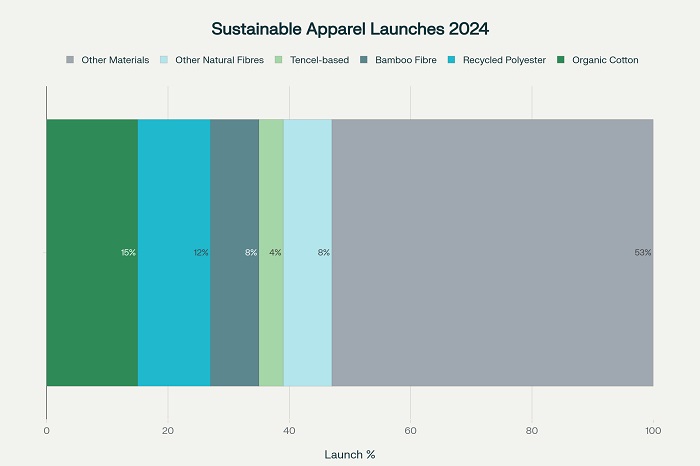
Product launch data from 2024 reveals that organic cotton dominates new introductions at 15 percent of all eco-friendly launches, followed by recycled polyester at 12 percent and bamboo-based products at 8 percent. Notably, these natural and recycled materials are attracting premium sales growth, with organic cotton products experiencing 20 percent sales increase, Tencel-based garments growing 19 percent, and bamboo fibre items growing 18 percent. This pattern indicates that consumers actively seek natural fibre options and willingly pay premium pricing for access to these materials.
Consumer surveys confirm that market expansion reflects genuine preference rather than availability-driven adoption. Seventy-three percent of consumers now express natural fibre preference when selecting intimate apparel, while 85 percent consider sustainability in purchasing decisions. Significantly, 78 percent indicate willingness to pay premium prices for eco-friendly materials, demonstrating that cost concerns don’t inhibit adoption among primary consumers. Sixty-five percent prioritise both ecological materials and comfort equally, showing that consumers understand these factors interconnect rather than represent tradeoffs.
Demographic analysis reveals that enthusiasm for natural fibre intimates transcends age and geographic boundaries. While younger consumers (Gen Z and millennials) demonstrate highest sustainability consciousness, older demographics increasingly prioritise natural fibres for health reasons, particularly post-menopausal women seeking relief from the irritation and temperature dysregulation that synthetic materials exacerbate. This multi-generational adoption pattern suggests sustained market growth as awareness expands and product availability increases.
Geographic growth patterns demonstrate particular strength in Asia Pacific, where the broader lingerie market captured 32.35 percent share in 2024, with sustainable intimates representing disproportionately high adoption rates. North America and Europe exhibit similarly robust growth, driven by mature sustainability consciousness and regulatory environments increasingly favouring responsible production practices. This global distribution suggests that natural fibre intimate apparel adoption reflects worldwide consumer values rather than regional anomalies.
Innovation and Future Developments in Eco-Intimate Apparel
While natural fibres represent the foundation of sustainable intimate wear, ongoing innovation promises to extend performance capabilities while deepening environmental benefits. The convergence of textile science, biotechnology, and consumer demand is generating exciting developments that reimagine what intimate apparel can accomplish.
Advanced processing techniques promise to enhance natural fibre characteristics while minimising environmental impact. Biodegradable bamboo viscose processing innovations reduce chemical waste and improve environmental impact compared to conventional viscose production. Enhanced fabric treatments using bioactive compounds derived from plants themselves—rather than synthetic chemicals—are being incorporated into intimate wear to provide additional antimicrobial protection and wellness benefits. Some manufacturers now infuse natural fibres with compounds extracted from lemon waste, corn fibre, or sugar beet, creating intimate wear that provides vitamin enhancement and ceramic ion benefits alongside fabric characteristics.
Seacell technology represents a genuinely innovative approach combining seaweed’s antioxidant properties with eucalyptus-derived lyocell’s softness. This combination creates fabric that exhibits inherent wellness properties, making intimate wear actively beneficial for skin health beyond merely avoiding harm. The fabric’s natural antibacterial characteristics, derived from seaweed’s bioactive compounds, provide enhanced protection without synthetic antimicrobial treatments.
Smart textile integration represents an emerging frontier in sustainable intimate wear development. Biometric sensors embedded within natural fibre garments can monitor body temperature, menstrual cycle patterns, and other health indicators, providing users with valuable wellness insights while maintaining intimate apparel’s essential comfort and discretion. These innovations align sustainability with modern consumer expectations for personalized, intelligent clothing that serves as a bridge between fashion and wellness technology.
Blockchain technology is increasingly employed to verify supply chain transparency, allowing consumers to trace their intimate wear from farm or forest through production to finished product. This transparency directly addresses greenwashing concerns by enabling verification that sustainability claims reflect genuine practices rather than marketing narratives. As supply chain tracking becomes more sophisticated, consumers gain confidence that their purchasing decisions genuinely support responsible production.
Circular economy initiatives are reshaping intimate apparel’s entire lifecycle. Take-back programs enable consumers to return worn garments for recycling or upcycling, closing loops that currently result in textile waste accumulation in landfills. Natural fibres’ biodegradability makes them exceptional candidates for circular systems; unlike synthetic textiles that persist for decades, natural fibre intimate wear genuinely breaks down and regenerates soil carbon when properly processed.
The Holistic Value of Natural Fibre Intimate Apparel
Choosing natural fibre intimate wear represents far more than aesthetic preference or trendy sustainability engagement. It embodies a fundamental commitment to personal wellbeing and planetary stewardship simultaneously achieved through thoughtful material selection and production practices.
From the body’s perspective, natural fibres deliver demonstrable health benefits. Breathing intimate skin experiences reduced infection risk, enhanced comfort during hormonal fluctuations, elimination of chemical irritation, and support for the delicate microbiome that underpins intimate wellness. Individuals with sensitivity conditions report life-changing symptom improvement upon transitioning to natural fibre intimate wear, describing relief that transcends mere comfort to approach therapeutic benefit.
From a sustainability perspective, natural fibre intimate wear represents consciousness actualised through everyday choices. Every garment carries embedded commitments to ecological regeneration, farmer wellbeing, minimised chemical pollution, and reduced resource consumption. Over a lifetime, an individual’s intimate apparel choices collectively represent significant environmental impact—positive impact when natural fibres produced responsibly displace synthetic alternatives.
The aesthetic dimension shouldn’t be overlooked. Premium natural fibres deliver luxury that rivals high-end synthetic alternatives while providing authenticity that manufactured feel never achieves. The genuine softness of quality bamboo, the subtle elegance of linen, the sensual silkiness of modal—these characteristics arise from material properties rather than surface treatments, creating intimate wear that feels as magnificent as it looks.
The economic reality has shifted dramatically. While natural fibre intimate wear commands premium pricing compared to mass-market synthetics, cost differential has narrowed substantially as production scales and sustainable practices become industry standard. Critically, the genuine durability and extended lifespan of quality natural fibre garments means the cost-per-wear often rivals or surpasses that of cheaper synthetic alternatives requiring frequent replacement.
The intersection of performance, health, aesthetics, and sustainability creates a compelling case that extends beyond consumer preference into fundamental recognition that intimate wear deserves the finest materials nature provides. As the market demonstrates through consistent growth, expanding product availability, and diverse demographic adoption, this isn’t fringe enthusiasm but rather mainstream recognition that natural fibres reinvent intimacy by restoring the connection between our bodies, our clothing, and the living systems that sustain us both.