







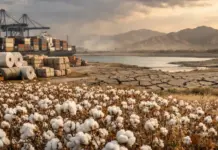
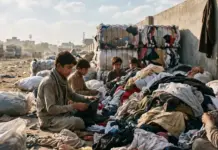
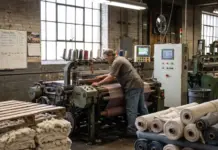




















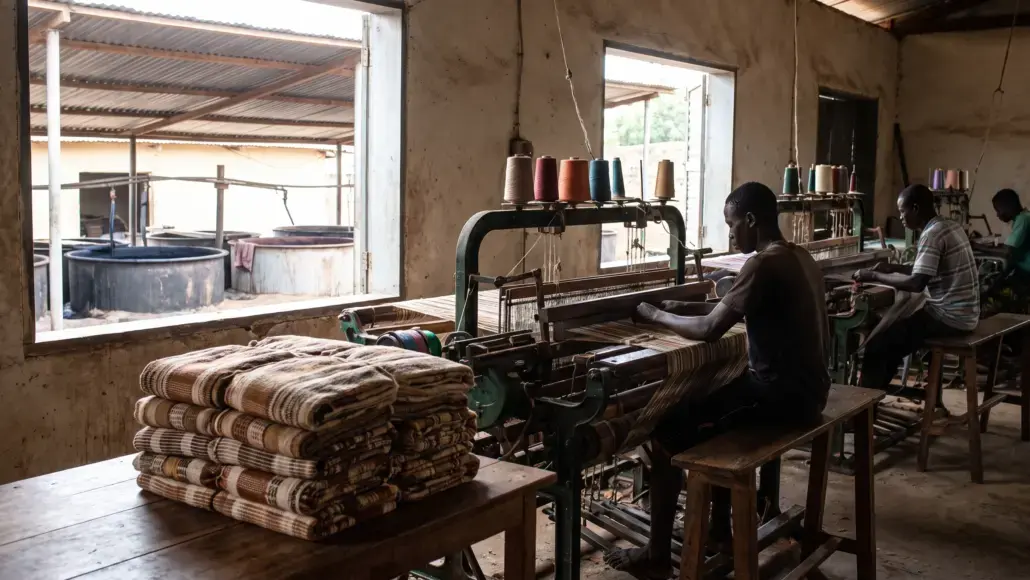
Africa is actively working to transform its economic role from a primary exporter of raw materials to a competitive hub for finished goods. For decades, the continent has followed a pattern of exporting raw cotton and importing finished garments, a cycle that results in the loss of industrial capability and employment. Current efforts are focused on closing the “missing middle,” which encompasses the essential processing stages such as spinning, weaving, knitting, dyeing, and finishing. By prioritizing African textile manufacturing, the continent aims to retain the value, skills, and jobs that were previously transferred to external markets.
Closing the Gap in the Regional Cotton Value Chain
The cotton value chain serves as the foundation for this industrial shift. Although the continent produces a significant portion of the world’s raw cotton, only a small percentage of it is currently processed locally. Projections suggest that while the export of cotton garments could reach approximately €5.8 billion by 2026, intra-African trade remains limited. Strengthening local processing is vital to ensure that the transition moves beyond raw material supply toward full-scale industrialization. This requires a coordinated approach to connect agricultural output with manufacturing centers.
The Role of Ecosystems and Regional Trade Integration
International sourcing decisions are increasingly driven by the availability of integrated ecosystems rather than the performance of individual factories. Large-scale buyers prioritize regions that offer diverse manufacturing capabilities, reliable logistics, and international compliance standards. This commercial reality highlights the importance of regional trade integration, which allows different countries to specialize based on their unique strengths. Through frameworks like the African Continental Free Trade Area, the continent can function as a unified industrial platform, reducing the need for every nation to build every stage of the value chain independently.
Investment in Industrial Infrastructure and Market Resilience
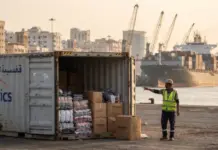
While global demand remains a significant driver, the continent’s own growing consumer population presents a substantial opportunity for apparel production. The demand for school uniforms, workwear, and local fashion brands provides a stable domestic market that can bolster manufacturing resilience. However, realizing this potential requires sustained investment in industrial infrastructure and the harmonization of trade policies. Reliable transport corridors and efficient customs procedures are essential for manufacturers to compete with established global hubs.
Future Outlook for African Textile Manufacturing
The shift toward African textile industry growth is a long-term process that requires alignment among governments, investors, and manufacturers. As industrial infrastructure continues to improve and regional trade integration facilitates smoother commerce, the continent is better positioned to scale its manufacturing capacity. By focusing on the entire cotton value chain, from the field to the finished product, the industry can create more skilled employment and build more resilient supply chains. This evolution marks a transition toward a self-sustaining model of apparel production, ultimately fostering a more robust African textile industry growth and a stronger presence in African textile manufacturing.

