
























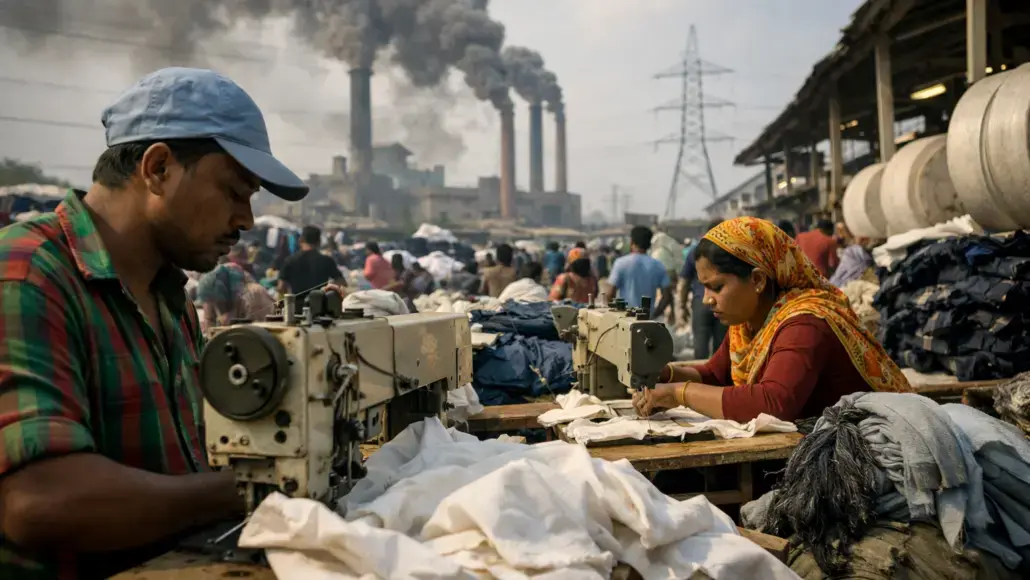
The traditional powerhouse of global apparel is facing operational pressures. The Bangladesh textile sector, recognized for its production capacity in the global supply chain, is currently navigating significant difficulty. Mounting operational costs, energy constraints, and shifting global market demands are placing the sector under strain and causing it to risk falling behind international competitors. Addressing these challenges requires a comprehensive industry evolution.
The Core Challenges in Garment Manufacturing
Historically, the region relied heavily on basic garment manufacturing to drive its industrial output. However, external economic pressures are exposing vulnerabilities in this conventional model. Manufacturers are dealing with elevated raw material input costs, unstable energy supplies, and logistical bottlenecks that complicate daily operations. As a result, maintaining the historical growth pace of apparel exports is becoming increasingly difficult.
Shifting Global Competition
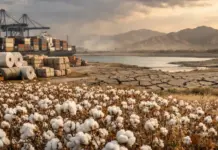
Other manufacturing hubs are upgrading their technical capabilities, capturing market segments that were once securely held. While the volume of apparel exports remains substantial, the overall market share faces direct competition. The reliance on basic cotton-based clothing means that any disruption in global purchasing patterns directly impacts local factory operations. Without an operational shift toward higher-value product categories, the Bangladesh textile sector could continue falling behind its more diversified international peers.
The Push for an Industry Evolution
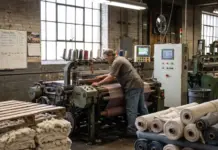
To preserve its competitive advantage, the sector must evolve. Expanding beyond standard garment manufacturing into complex, technical, and synthetic fibers is recognized as a necessary step by industry stakeholders. This operational transition requires investments in new machinery, workforce skill development, and modernized operational frameworks.
Adopting Sustainable Production
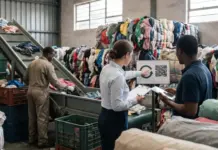
International buyers are increasingly prioritizing environmental compliance alongside cost and quality. Consequently, a pivot toward sustainable production is emerging as a baseline requirement. Implementing eco-friendly practices and focusing on resource efficiency are fundamental requirements for the needed industry evolution.
- Improving energy efficiency across existing facilities.
- Minimizing water usage in dyeing and finishing processes.
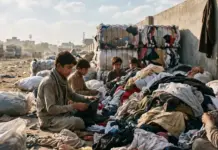
- Integrating circular economy principles into everyday manufacturing operations.
By embedding sustainable production deeply into the manufacturing lifecycle, factories can meet the strict compliance demands of global markets. This upgrade is aimed at stabilizing apparel exports and ensuring long-term operational viability. The consensus indicates that to overcome the current strain, the Bangladesh textile sector must actively adapt to the changing global landscape.