


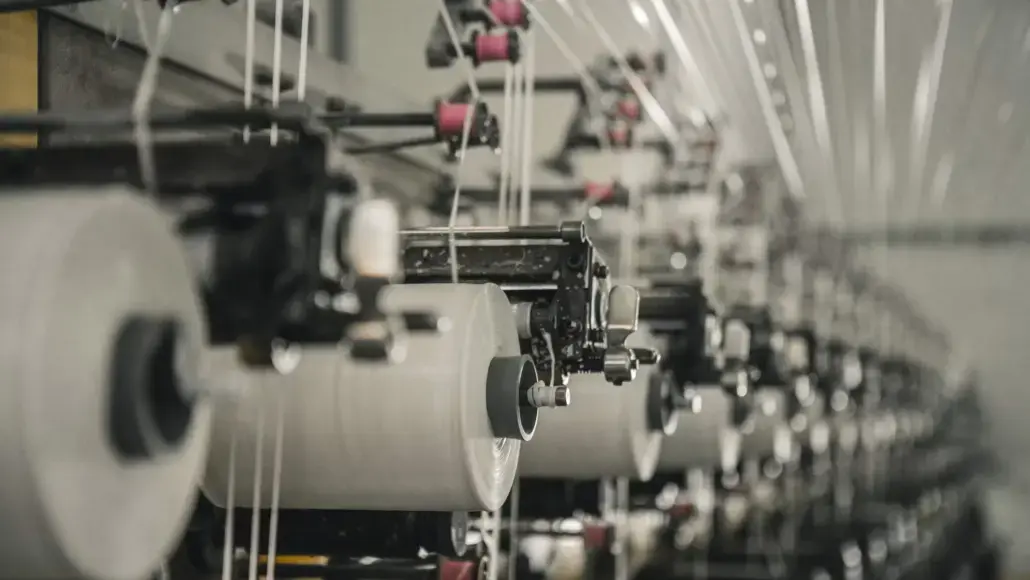
The textile industry is witnessing a steady and meaningful shift in how spinning mills approach raw material sourcing and supply chain accountability. Fiber traceability — once considered a niche compliance requirement — is now emerging as a genuine driver of business value, reshaping how mills position themselves with global buyers and brands.
From Compliance Checkbox to Competitive Advantage
For years, traceability in textiles was largely a documentation exercise. Mills collected certificates, filed paperwork, and moved on. But today, fiber traceability is being recognized as a commercial differentiator, one that enables spinning mills to build stronger, longer-lasting relationships with international brands that are under growing pressure to demonstrate responsible sourcing.
Brands and retailers across Europe, North America, and beyond are demanding more than assurances — they want verified data. This shift is pushing spinning mills to invest in systems and partnerships that can substantiate claims about fiber origin, processing conditions, and environmental credentials at every step of the supply chain.
The Practical Case for Traceability at the Mill Level
Spinning mills that have embedded fiber traceability into their operations are finding that the investment pays off in ways that go beyond regulatory readiness. Mills are reporting improved buyer confidence, faster onboarding with new brand partners, and a reduced need for repeated audits.
When a mill can clearly demonstrate where its cotton, recycled fiber, or other raw materials originate — and back that claim with verified, third-party data — the conversation with buyers shifts. Instead of defending sourcing practices, mills can present transparency as a service, one that saves brands time, reduces their own compliance burden, and strengthens shared accountability.
Technology Is Enabling a New Level of Traceability
The growth of digital tools and physical fiber-marking technologies is making fiber traceability more accessible to mills of different sizes and capacities. Solutions range from isotope-based testing that confirms geographic origin, to blockchain-backed digital records that track material movement through each production step, to physical markers embedded within the fiber itself that can be scanned at any point in the value chain.
These technologies allow spinning mills to generate documentation that is not just credible, but auditable — a key requirement for buyers who are themselves subject to evolving due diligence legislation and sustainability reporting mandates.
Traceability as a Pricing and Positioning Tool
There is a growing body of evidence suggesting that spinning mills offering verified fiber traceability can command better price positioning. Buyers who rely on traceable supply chains often demonstrate greater loyalty and longer contract commitments, since switching suppliers would mean starting the traceability verification process over.
Sustainable sourcing — when backed by credible traceability data — is increasingly a prerequisite for entry into premium market segments. For spinning mills seeking to serve major international fashion and apparel brands, fiber traceability has become, in many cases, a non-negotiable qualification.
Challenges That Still Need Addressing
Despite the momentum, the path to full fiber traceability is not without obstacles. Many spinning mills, particularly smaller operations, face challenges related to cost, technical capacity, and the complexity of integrating new systems with existing production processes.
Data interoperability remains a significant hurdle. When mills, ginners, traders, and brands all use different platforms and formats to record supply chain information, the ability to create a seamless, end-to-end traceable thread becomes difficult. Industry stakeholders have pointed to the need for standardized frameworks that allow different actors to share and verify data without duplicating effort.
There is also the question of verification integrity. Not all traceability claims carry the same weight. Mills and buyers alike are becoming more discerning about which certifications and technologies genuinely deliver reliable proof of origin versus those that offer limited assurance.
Building Trust Across the Value Chain
Fiber traceability ultimately serves a broader purpose: it builds trust. In an industry where supply chains span multiple continents and involve dozens of intermediaries, trust is both fragile and invaluable. Spinning mills that invest in traceability infrastructure are signaling to partners that they are prepared for the demands of modern, responsible commerce.
For spinning mills in major textile-producing regions, including Bangladesh, the move toward deeper fiber traceability is also a strategic response to tightening global regulations around due diligence, environmental claims, and social compliance. As regulations evolve in key export markets, the mills that have already built traceability into their core operations will be better positioned to adapt quickly and maintain access to premium buyers.
The Road Ahead for Spinning Mills
Fiber traceability is no longer a future-state concept. It is an active, evolving reality that is redefining what it means to be a credible supplier in the global textile industry. Spinning mills that treat transparency not as a burden but as a business asset are discovering that the value it generates — in buyer relationships, market access, pricing power, and regulatory readiness — makes the investment worthwhile.
The industry conversation is moving from whether to adopt fiber traceability to how to do it effectively, at scale, and in a way that delivers verifiable results for all parties involved. For spinning mills willing to lead on this agenda, the business case is becoming increasingly clear.