































Escalating geopolitical friction between Washington and Tehran is rapidly emerging as more than a diplomatic issue. For manufacturers, exporters and raw material suppliers, the real concern is how US-Iran tensions and global textile industry dynamics are becoming increasingly intertwined. The textile sector, deeply dependent on energy, petrochemicals and international logistics, is particularly exposed to instability in the Middle East.
The first and most immediate impact channel is energy. The Gulf region remains central to global oil and natural gas flows. Even without physical disruptions, markets tend to price in geopolitical risk, driving crude oil volatility. Higher oil prices affect synthetic fibers directly, as polyester production depends on petrochemical feedstocks such as purified terephthalic acid (PTA) and monoethylene glycol (MEG). When upstream costs rise, polyester staple fiber and filament yarn prices follow.
Polyester dominates global fiber consumption, accounting for more than half of total use worldwide. Any sustained increase in crude oil prices tightens margins across spinning, weaving and knitting operations. Mills operating on forward contracts often struggle to pass on sudden cost increases to buyers, especially in price-sensitive apparel markets. As a result, volatility driven by US-Iran tensions and global textile industry exposure can quickly move from oil markets to factory balance sheets.
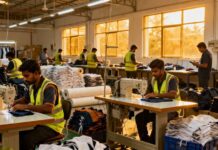
Energy price escalation does not stop at raw materials. Textile manufacturing itself is energy-intensive. Spinning, dyeing and finishing operations require continuous power supply, steam generation and thermal systems. In many textile-producing countries, industrial electricity tariffs are linked to fossil fuel costs. Rising oil and gas prices therefore raise conversion costs, squeezing profitability across the value chain.
Natural gas markets add another layer of complexity. Gas is not only a power source but also a primary input in nitrogen-based fertilizers. This directly affects cotton cultivation. Cotton farmers depend on fertilizers, diesel-powered equipment and irrigation systems, all sensitive to energy price fluctuations. If geopolitical escalation tightens gas supply or pushes fertilizer prices higher, cotton production costs rise accordingly.
The interplay between polyester and cotton becomes critical in such an environment. When crude oil prices climb sharply, synthetic fibers become more expensive, potentially enhancing cotton’s competitiveness. However, if fertilizer and fuel costs increase simultaneously, cotton’s advantage narrows. For textile manufacturers that balance natural and synthetic inputs, such volatility complicates procurement and pricing strategies.
Sanctions and financial restrictions represent another significant risk channel. Escalation between the United States and Iran could lead to tighter enforcement measures affecting petrochemical exports, shipping access and international payment systems. Even companies not directly sourcing from Iran may encounter secondary disruptions, including higher compliance requirements, extended documentation processes and delayed transactions.
The textile industry’s supply chain is highly interconnected. Polyester feedstocks may originate in the Gulf, be polymerized in Asia, spun into yarn in South Asia and woven into fabric for European or American brands. Any friction in financial flows or shipping corridors can delay production cycles and increase working capital requirements.
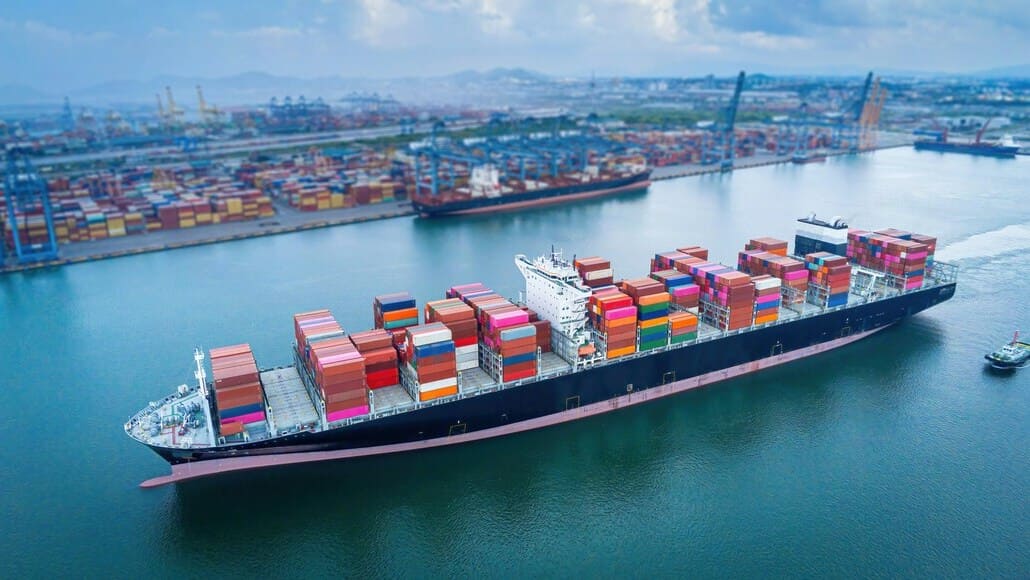
Logistics risks are equally pressing. The Persian Gulf is a critical maritime corridor for energy shipments. Heightened security concerns can increase marine insurance premiums and fuel costs, directly impacting freight rates. Textile trade, which depends heavily on container shipping between Asia, Europe and North America, is particularly sensitive to such cost escalations.
Higher freight rates raise the landed cost of yarns, fabrics and finished garments. For exporters operating under fixed-price contracts, absorbing these increases can erode margins. Longer transit times also strain production schedules and inventory planning, particularly in fast-fashion and seasonal apparel segments.
Specialty chemicals present another vulnerability. Textile processing relies on dyes, auxiliaries and finishing agents derived from petrochemical intermediates. If feedstock markets tighten due to regional instability, specialty chemical costs are likely to rise. Dyeing and finishing units, especially in developing textile hubs, may face difficulty passing these additional costs on to international buyers.
Beyond direct cost implications, macroeconomic effects could shape demand patterns. Higher oil prices often contribute to inflation in consumer markets. Rising living costs may dampen discretionary spending on apparel, affecting order volumes for global suppliers. If central banks maintain tight monetary policies to control inflation, borrowing costs for textile manufacturers and retailers could remain elevated.
Currency volatility further complicates the scenario. During periods of geopolitical stress, the US dollar often strengthens. While this may improve export competitiveness for some producing nations, it also increases the cost of dollar-denominated raw materials and freight services.
Despite these risks, the situation could also accelerate structural shifts within the textile industry. Manufacturers may intensify efforts to diversify feedstock sourcing and reduce dependency on any single region. Integrated producers with upstream access to raw materials may gain relative stability. There may also be renewed interest in recycled polyester and alternative fibers if virgin petrochemical prices remain volatile.
However, such transitions require time and capital investment. In the short term, most textile firms will focus on risk mitigation through supplier diversification, strategic inventory management and contract flexibility. Strengthening relationships with multiple raw material sources and monitoring energy-linked pricing benchmarks will become increasingly important.
Ultimately, the evolving geopolitical landscape underscores a broader reality: the textile industry is deeply embedded in global energy and petrochemical systems. The impact of US-Iran tensions and global textile industry operations is not theoretical; it is structural. From polyester polymerization units to cotton farms, from dye houses to container ports, energy volatility reverberates across every layer of production.
For industry stakeholders, vigilance and adaptability will be critical. As geopolitical developments continue to unfold, textile manufacturers must align procurement strategies, pricing models and logistics planning with an environment where political tensions can swiftly reshape industrial economics. In an interconnected global marketplace, resilience is no longer optional—it is essential for sustained competitiveness.