































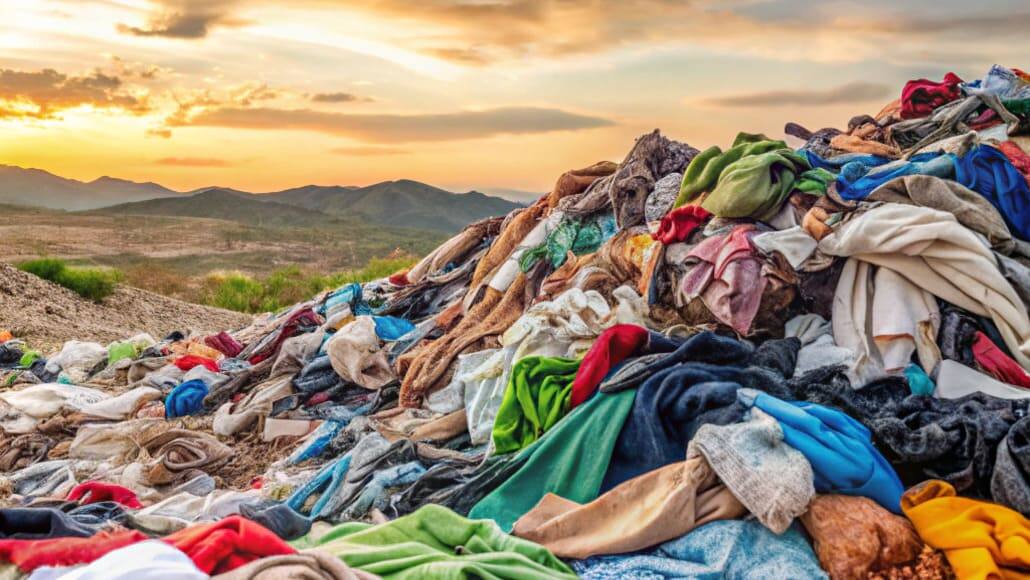

Each year, the European Union generates millions of tonnes of food and textile waste, highlighting the insufficiency of the “reduce, reuse, recycle” mantra in driving meaningful change. Approximately 60 million tonnes of food waste are produced annually, resulting in economic losses totaling €132 billion. Additionally, nearly 13 million tonnes of textile waste are created each year, with 5.2 million tonnes consisting of clothing and footwear—equating to about 12 kg per person.
Recently, the European Council and the European Parliament reached a provisional agreement on the Waste Framework Directive, which establishes new targets aimed for 2030, including:
-
A 30% reduction in waste from retail, supermarkets, restaurants, catering services, and households.
-
A 10% reduction in waste generated during food manufacturing and processing.
However, the agricultural sector, which accounts for approximately 11% of food waste, has been exempted from these regulations. Robert Hodgson explained, “One of the issues is that farming has become a politically sensitive topic recently, leading legislators to be reluctant to impose additional requirements on the sector.”
Initially, the European Parliament intended to conduct a review by the end of this year to potentially set targets for agriculture. However, following the EU elections, the Parliament shifted to a more conservative stance, and it was ultimately decided to postpone the review until 2027.
While some member states are demonstrating success in reducing food waste—particularly those with effective food donation mechanisms like Belgium, the Czech Republic, France, Italy, Luxembourg, the Netherlands, and Portugal—significant amounts of still-edible food are discarded in high-end settings such as casinos, hotels, and cruises.
Rasmus Nordqvist, a green Danish lawmaker and shadow rapporteur on the directive, remarked, “This necessitates a change in how we handle food and utilize all ingredients. Chefs in restaurants are often keen to address this issue because no one enjoys throwing away good food.”
Addressing Fast Fashion’s Impact
The textile sector lacks specific reduction targets and will instead fall under the Extended Producer Responsibility regime. This requires companies to pay fees covering the costs associated with recollecting, sorting, and recycling clothing once it becomes waste.
“Countries will have the flexibility to adjust these fees for fast fashion based on how long clothing remains on the market and how long it is expected to be worn. Higher fees may be imposed on companies producing disposable clothing,” Hodgson noted.
Moreover, the EU is involved in the illegal export of textile waste to developing countries. Austria, Denmark, Finland, France, and Sweden support a proposal to classify textiles alongside plastics and electronics in an international treaty aimed at preventing the transfer of hazardous waste to less developed nations.
Having worked in the textile industry for two decades prior to entering politics, Rasmus Nordqvist believes this directive will help curb such practices. “We are demanding that producers take responsibility throughout the entire value chain. While this directive alone won’t transform the industry, it’s a crucial first step. We need to reassess how we consume textiles and what happens to them afterward. Achieving circularity in the fashion industry is the next step.”
Food and textiles are two key European sectors that must evolve to align with the Green Deal’s objectives for a more environmentally sustainable industry. However, the challenge extends beyond just improving production methods to include reducing resource use and emissions. Tackling consumer waste and fostering new attitudes toward waste culture are critical components of this initiative.