






























PSI 2026

PM Modi Highlights Textile Waste Challenge Of India

Note* - All images used are for editorial and illustrative purposes only and may not originate from the original news provider or associated company.

Subscribe

- Never miss a story with notifications

- Gain full access to our premium content

- Browse free from up to 5 devices at once

Media Packs

Expand Your Reach With Our Customized Solutions Empowering Your Campaigns To Maximize Your Reach & Drive Real Results!
– Access The Media Pack Now!
– Book a Conference Call
Leave Message for us to Get Back

Related stories

Premium Fabric Innovation Driving Demand for High-Value Apparel

The premium fabric innovation market is experiencing unprecedented growth, driven by consumer demand for superior comfort, durability, and performance. Advanced engineering technologies including nanotechnology, smart textiles, and engineered materials are reshaping high-value apparel across fashion, corporate, and promotional sectors. The global luxury fabric market is projected to reach USD 8.32 billion by 2030, expanding at an 11% CAGR. This comprehensive analysis explores how premium fabric innovation is elevating consumer expectations and creating competitive differentiation in the apparel industry.

Victoria’s Secret Raises FY25 Outlook After Strong Q3

US lingerie retailer Victoria’s Secret (VS&Co) has upgraded its Victoria’s...

Low Impact Manufacturing Methods Reducing Textile Environmental Footprint

Explore how resource-efficient production technologies such as waterless dyeing, energy optimization, and reduced chemical processing are revolutionizing textile manufacturing. This article examines low-impact methods that minimize environmental harm while maintaining quality and performance standards.

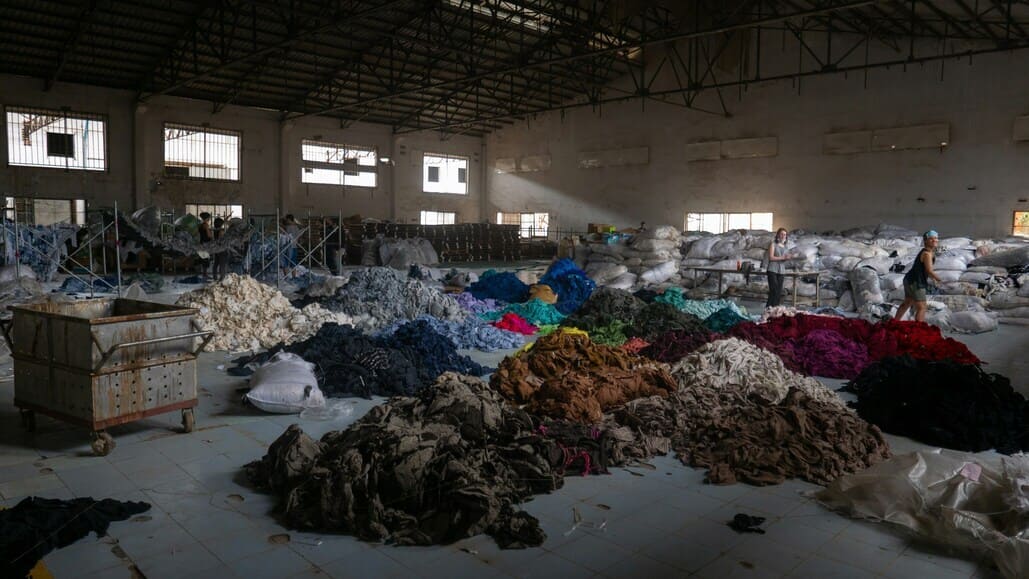
India Prime Minister Narendra Modi highlighted the issue of textile waste, declaring it a major global challenge. During his Mann Ki Baat program on Sunday, Modi expressed his concern that less than 1 percent of textile waste is recycled into new clothing, noting that India ranks as the third-largest producer of textile waste worldwide.

According to the Prime Minister, the proliferation of fast fashion leads to the rapid disposal of old clothes in favor of new purchases. However, he acknowledged that India is undertaking significant efforts to tackle this issue, with numerous startups establishing textile recovery facilities. Modi pointed out that many initiatives are focused on empowering ragpickers, while others aim to promote sustainable fashion.

He mentioned that used clothing and footwear are being recycled and redistributed to those in need, resulting in the creation of various products such as toys, stationery, bags, and decorative items from textile waste. Modi commended the initiatives supporting “circular fashion brands” and announced the upcoming launch of new leasing platforms for designer clothing rentals. Several organizations are collecting used garments to make them reusable and distribute them to underprivileged communities.

In discussing solutions for managing textile waste, Prime Minister Modi noted that certain cities are redefining their roles. He cited Panipat, which is emerging as a key global hub for textile recycling, as an example. He also highlighted Bengaluru’s innovative use of technology to establish its unique identity, claiming that the city collects over half of the textile waste. Additionally, he referenced Tirupur in Tamil Nadu, which effectively manages textile waste through renewable energy and wastewater treatment solutions.

Latest stories

Related stories

Premium Fabric Innovation Driving Demand for High-Value Apparel

The premium fabric innovation market is experiencing unprecedented growth, driven by consumer demand for superior comfort, durability, and performance. Advanced engineering technologies including nanotechnology, smart textiles, and engineered materials are reshaping high-value apparel across fashion, corporate, and promotional sectors. The global luxury fabric market is projected to reach USD 8.32 billion by 2030, expanding at an 11% CAGR. This comprehensive analysis explores how premium fabric innovation is elevating consumer expectations and creating competitive differentiation in the apparel industry.

Victoria’s Secret Raises FY25 Outlook After Strong Q3

US lingerie retailer Victoria’s Secret (VS&Co) has upgraded its Victoria’s...

Low Impact Manufacturing Methods Reducing Textile Environmental Footprint

Explore how resource-efficient production technologies such as waterless dyeing, energy optimization, and reduced chemical processing are revolutionizing textile manufacturing. This article examines low-impact methods that minimize environmental harm while maintaining quality and performance standards.

Subscribe

- Never miss a story with notifications

- Gain full access to our premium content

- Browse free from up to 5 devices at once

Media Packs

Expand Your Reach With Our Customized Solutions Empowering Your Campaigns To Maximize Your Reach & Drive Real Results!

– Access The Media Pack Now!
– Book a Conference Call
Leave Message for us to Get Back

Translate »