




























PSI 2026

Simplifyber Secures $12M in Series A Funding Round

Note* - All images used are for editorial and illustrative purposes only and may not originate from the original news provider or associated company.

Subscribe

- Never miss a story with notifications

- Gain full access to our premium content

- Browse free from up to 5 devices at once

Media Packs

Expand Your Reach With Our Customized Solutions Empowering Your Campaigns To Maximize Your Reach & Drive Real Results!
– Access The Media Pack Now!
– Book a Conference Call
Leave Message for us to Get Back

Related stories

The Connection Between Fashion Trends and Performance Textiles

The contemporary convergence of fashion consciousness and performance demand has fundamentally reimagined textile functionality. Modern apparel expectations increasingly demand simultaneous satisfaction of aesthetic preferences and technical performance requirements. Moisture management, durability, comfort, and thermal regulation have transformed from specialized athletic textile concerns into mainstream fashion expectations driving fundamental textile innovation.

How Digital Fashion Trends are Reshaping Brand Identity

Digital fashion—virtual garments, metaverse clothing, AI-styled avatars, and NFT-based digital collectibles—represents unprecedented frontier in fashion expression and brand positioning. As consumers increasingly inhabit virtual spaces through gaming, social platforms, and metaverse environments, brands develop digital-native strategies reshaping traditional fashion business models while creating opportunities for virtual-only design expression unbounded by physical materiality constraints.

Climate-Responsive Fashion Trends Shaping Seasonal Textile Development

Climate-responsive fashion represents innovative approach to textile development addressing environmental variability through intelligent fabric engineering. From thermoregulating textiles responding to temperature fluctuations to breathability systems managing moisture across varying climates, contemporary fashion trends increasingly demand textiles that adapt to environmental conditions rather than requiring wearer constant adjustment through layering or clothing changes.

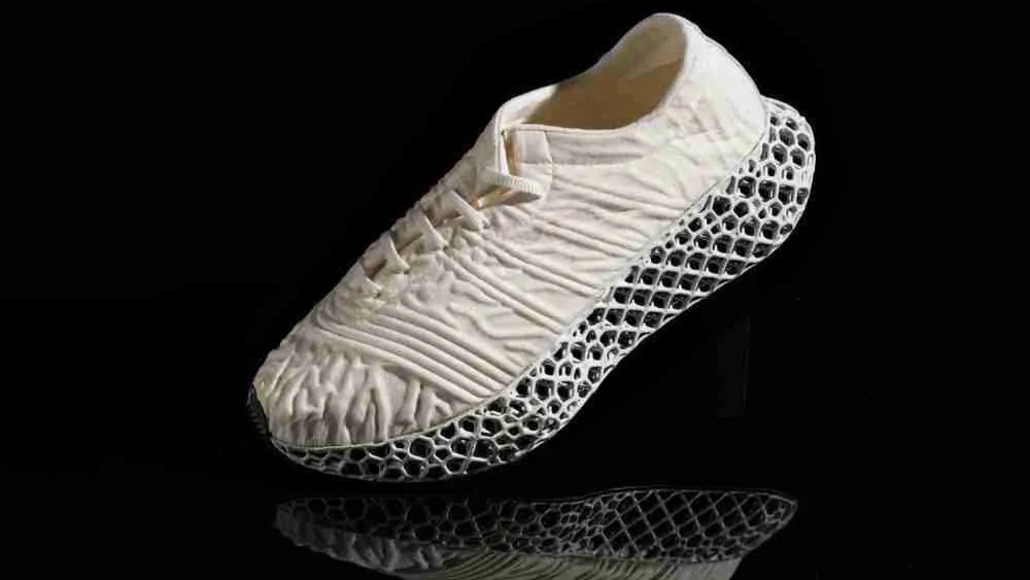
Simplifyber, a startup focused on material innovation based in New York, has successfully secured Series A funding to further its pioneering approach toward sustainable garment manufacturing. The company specializes in creating fully biodegradable, molded garments using liquid cellulose sourced from wood pulp, entirely avoiding the conventional cut-and-sew methods.

This funding round, led by At One Ventures in collaboration with H&M Group Ventures and Techstars, highlights the increasing investor interest in next-generation textile solutions. Simplifyber intends to utilize the funds to enhance its proprietary fiber-molding technology, increase its production capacity, and explore new market opportunities.

In contrast to traditional garments, Simplifyber’s offerings are shaped in three-dimensional molds, which can decrease material waste by as much as 60% while also preventing microplastic release. The materials are compostable at the end of their lifecycle and require considerably less water compared to cotton or synthetic blends. The startup is currently testing apparel lines with select fashion and athletic brands, with plans to launch co-branded products by early 2026. Industry analysts have remarked on Simplifyber’s potential to impact not just fashion but also packaging and home textiles.

CEO Maria McManus remarked, “Our mission is to transform manufacturing from a waste-heavy, toxic process to a regenerative, nature-based system.” With a rising consumer demand for biodegradable and ethically sourced clothing, Simplifyber’s innovative approach could signify a significant shift in the fashion production process.

Latest stories

Related stories

The Connection Between Fashion Trends and Performance Textiles

The contemporary convergence of fashion consciousness and performance demand has fundamentally reimagined textile functionality. Modern apparel expectations increasingly demand simultaneous satisfaction of aesthetic preferences and technical performance requirements. Moisture management, durability, comfort, and thermal regulation have transformed from specialized athletic textile concerns into mainstream fashion expectations driving fundamental textile innovation.

How Digital Fashion Trends are Reshaping Brand Identity

Digital fashion—virtual garments, metaverse clothing, AI-styled avatars, and NFT-based digital collectibles—represents unprecedented frontier in fashion expression and brand positioning. As consumers increasingly inhabit virtual spaces through gaming, social platforms, and metaverse environments, brands develop digital-native strategies reshaping traditional fashion business models while creating opportunities for virtual-only design expression unbounded by physical materiality constraints.

Climate-Responsive Fashion Trends Shaping Seasonal Textile Development

Climate-responsive fashion represents innovative approach to textile development addressing environmental variability through intelligent fabric engineering. From thermoregulating textiles responding to temperature fluctuations to breathability systems managing moisture across varying climates, contemporary fashion trends increasingly demand textiles that adapt to environmental conditions rather than requiring wearer constant adjustment through layering or clothing changes.

Subscribe

- Never miss a story with notifications

- Gain full access to our premium content

- Browse free from up to 5 devices at once

Media Packs

Expand Your Reach With Our Customized Solutions Empowering Your Campaigns To Maximize Your Reach & Drive Real Results!

– Access The Media Pack Now!
– Book a Conference Call
Leave Message for us to Get Back

Translate »