






























PSI 2026

Sustainable Textile Dyeing: Cutting Water Use And Pollution

Note* - All images used are for editorial and illustrative purposes only and may not originate from the original news provider or associated company.

Subscribe

- Never miss a story with notifications

- Gain full access to our premium content

- Browse free from up to 5 devices at once

Media Packs

Expand Your Reach With Our Customized Solutions Empowering Your Campaigns To Maximize Your Reach & Drive Real Results!
– Access The Media Pack Now!
– Book a Conference Call
Leave Message for us to Get Back

Related stories

Premium Fabric Innovation Driving Demand for High-Value Apparel

The premium fabric innovation market is experiencing unprecedented growth, driven by consumer demand for superior comfort, durability, and performance. Advanced engineering technologies including nanotechnology, smart textiles, and engineered materials are reshaping high-value apparel across fashion, corporate, and promotional sectors. The global luxury fabric market is projected to reach USD 8.32 billion by 2030, expanding at an 11% CAGR. This comprehensive analysis explores how premium fabric innovation is elevating consumer expectations and creating competitive differentiation in the apparel industry.

Victoria’s Secret Raises FY25 Outlook After Strong Q3

US lingerie retailer Victoria’s Secret (VS&Co) has upgraded its Victoria’s...

Low Impact Manufacturing Methods Reducing Textile Environmental Footprint

Explore how resource-efficient production technologies such as waterless dyeing, energy optimization, and reduced chemical processing are revolutionizing textile manufacturing. This article examines low-impact methods that minimize environmental harm while maintaining quality and performance standards.

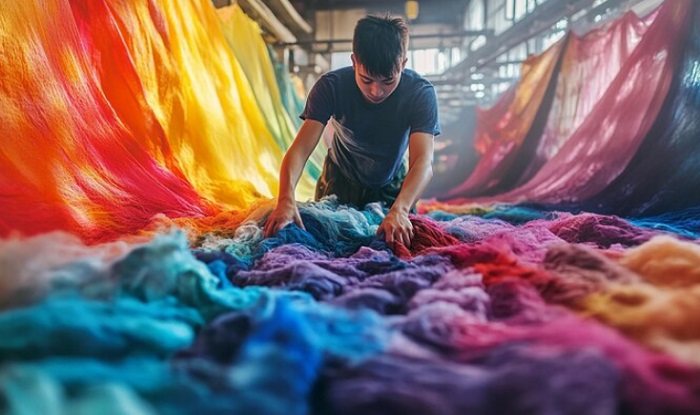
Due to the fact that nearly 200 tons of water are required to dye one ton of cloth, the textile dyeing industry is a substantial contributor to both water pollution and water shortages. In order to solve this problem, the industry is investigating a variety of approaches to lessen the amount of water that is used and to enhance sustainability.

Dyeing devoid of water:

The dyeing of textiles is accomplished by the use of carbon dioxide (CO2) rather than water in waterless dyeing methods, such as those produced by DyeCoo. Each year, these devices have the potential to save 15 million liters of water and 6,500 kg of chemicals used in the manufacturing of goods. The use of waterless dyeing has been embraced by businesses such as Nike, Adidas, and IKEA in order to lessen their impact on the environment.

Technologies for Dyeing That Are Innovative:

Innovative dyeing technologies, such as the UP system and Core, have the potential to minimize water use by as much as 96% when compared to conventional colouring techniques. A further benefit of these technologies is that they lower the amount of energy that is used and make it possible to produce smaller batch sizes at a lower cost.

Natural and Eco-Friendly Dyeing and Finishing:

Dyeing and finishing methods that are environmentally friendly, such as the PS2 Process and PSB35, provide the benefits of reduced resource use and higher productivity. When compared to conventional approaches, these eco dyeing methords and solutions have the potential to save up to 1,350 tons of carbon dioxide emissions throughout the year and cut start-up scrap rates by 90 percent.

Reusing and recycling used water:

Technologies like the THEN Smartflow TSF dyeing machine, which is manufactured by Fong’s Europe, decrease the amount of water and energy that is used by recycling and reusing available water. This machine is equipped with a Smart Fabric Transport System, which guarantees that the fabric is dyed evenly by precisely managing the pressure of the nozzles and the power input from the pump.

Actions taken together and cooperative efforts:

Brands and retailers, together with their respective suppliers, have the ability to work together to solve water challenges via collective action and coordination among themselves. The Bangladesh Partnership for Cleaner Textile (PACT) and the Better Mills Initiative are two examples of initiatives that may assist brands and retailers in significantly lowering their water use and improving the water quality in their respective communities.

Concluding remarks:

Within the textile dyeing business, several approaches to reducing water use and enhancing sustainability are now being investigated. The textile industry is making strides toward a more sustainable future via various innovative eco-friendly dyeing methords, the use of waterless dyeing systems, novel dyeing technologies, environmentally responsible dyeing and finishing methods, and environmentally responsible water recycling and reuse technology. It is also necessary for brands, retailers, and suppliers to work together and take collective action in order to solve water challenges and improve the conditions of the water supply in individual communities.

Latest stories

Related stories

Premium Fabric Innovation Driving Demand for High-Value Apparel

The premium fabric innovation market is experiencing unprecedented growth, driven by consumer demand for superior comfort, durability, and performance. Advanced engineering technologies including nanotechnology, smart textiles, and engineered materials are reshaping high-value apparel across fashion, corporate, and promotional sectors. The global luxury fabric market is projected to reach USD 8.32 billion by 2030, expanding at an 11% CAGR. This comprehensive analysis explores how premium fabric innovation is elevating consumer expectations and creating competitive differentiation in the apparel industry.

Victoria’s Secret Raises FY25 Outlook After Strong Q3

US lingerie retailer Victoria’s Secret (VS&Co) has upgraded its Victoria’s...

Low Impact Manufacturing Methods Reducing Textile Environmental Footprint

Explore how resource-efficient production technologies such as waterless dyeing, energy optimization, and reduced chemical processing are revolutionizing textile manufacturing. This article examines low-impact methods that minimize environmental harm while maintaining quality and performance standards.

Subscribe

- Never miss a story with notifications

- Gain full access to our premium content

- Browse free from up to 5 devices at once

Media Packs

Expand Your Reach With Our Customized Solutions Empowering Your Campaigns To Maximize Your Reach & Drive Real Results!

– Access The Media Pack Now!
– Book a Conference Call
Leave Message for us to Get Back

Translate »