






























PSI 2026

Textile PRO Forum Unites Europe for EPR Harmonization

Note* - All images used are for editorial and illustrative purposes only and may not originate from the original news provider or associated company.

Subscribe

- Never miss a story with notifications

- Gain full access to our premium content

- Browse free from up to 5 devices at once

Media Packs

Expand Your Reach With Our Customized Solutions Empowering Your Campaigns To Maximize Your Reach & Drive Real Results!
– Access The Media Pack Now!
– Book a Conference Call
Leave Message for us to Get Back

Related stories

Minimalist Fashion Trends Influencing Color and Material Palettes

Minimalist fashion philosophy fundamentally challenges contemporary consumer culture by emphasizing quality over quantity, timeless aesthetics over trend-driven novelty, and understated elegance over visual excess. Minimalist trends directly shape material selection toward natural fabrics, neutral color palettes, and refined simplicity that communicates sophisticated restraint and intentional curation rather than conspicuous consumption.

Fashion Trends Influencing Fabric Innovation in 2026

Emerging fashion preferences in 2026 are catalyzing unprecedented innovation in fiber development, fabric finishing, and material engineering. From advanced sustainable bio-cellulosics and smart textiles to regenerative fibers and performance-enhanced constructions, fashion-driven demand is pushing textile manufacturers to develop revolutionary materials that simultaneously address aesthetic trends and environmental imperatives.

How Sustainable Materials are Redefining Modern Fashion Trends

Sustainable materials have transitioned from niche alternatives to mainstream fashion imperatives, fundamentally redefining how designers approach trend creation and consumer expectations. From organic cotton and recycled polyester to innovative bio-based fibers like mycelium and fruit-waste textiles, the adoption of eco-friendly materials represents the most significant fashion trend reshaping the apparel industry's future.

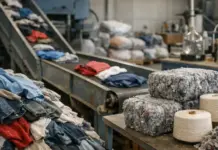
Key players in Europe’s textile and footwear industry have joined forces to create the Textile PRO Forum, a voluntary collaborative platform aimed at streamlining and enhancing Extended Producer Responsibility (EPR) systems across the region. This initiative, coordinated by EURATEX (the European Textile and Apparel Confederation) alongside Refashion, comes at a pivotal time as the European Union prepares to enforce mandatory separate collection of textile waste and updates the Waste Framework Directive.

EPR schemes are an essential part of Europe’s drive to increase sustainability and circularity in the textile sector. However, with varying national legislation, market needs, and infrastructure across the EU’s 27 member states, businesses face significant complexity in navigating these regulations. The Textile PRO Forum addresses these challenges by fostering cooperation among stakeholders, exchanging best practices, and promoting uniform approaches to EPR implementation.

Core Goals of the Textile PRO Forum

The Forum focuses on key areas to support businesses and promote sustainability:

– Reduction of Administrative Burdens: Simplifying compliance for companies operating in multiple EU countries.

– Harmonization of Eco-Modulation Fees: Ensuring consistent eco-fees as required by legislation.

– Support for Recycling Innovations: Strengthening efforts to enhance recycling and circularity in the textile industry.

– Frameworks for PRO Development: Establishing effective systems for the creation and expansion of Producer Responsibility Organizations (PROs).

Participants and Stakeholders

Notable organizations participating in the Textile PRO Forum include:

– Asociación para la Gestión del Residuo Textil y Calzado

– Danish Fashion & Textile

– Stichting Producentenorganisatie UPV Textiel

– TEKO – Swedish Textile and Fashion Industries

– RETEX.Green

– Refashion

– EURATEX, among others.

This initiative highlights Europe’s commitment to addressing sustainability in the textile industry while supporting businesses in meeting their environmental obligations in a more coordinated and efficient way.

Latest stories

Related stories

Minimalist Fashion Trends Influencing Color and Material Palettes

Minimalist fashion philosophy fundamentally challenges contemporary consumer culture by emphasizing quality over quantity, timeless aesthetics over trend-driven novelty, and understated elegance over visual excess. Minimalist trends directly shape material selection toward natural fabrics, neutral color palettes, and refined simplicity that communicates sophisticated restraint and intentional curation rather than conspicuous consumption.

Fashion Trends Influencing Fabric Innovation in 2026

Emerging fashion preferences in 2026 are catalyzing unprecedented innovation in fiber development, fabric finishing, and material engineering. From advanced sustainable bio-cellulosics and smart textiles to regenerative fibers and performance-enhanced constructions, fashion-driven demand is pushing textile manufacturers to develop revolutionary materials that simultaneously address aesthetic trends and environmental imperatives.

How Sustainable Materials are Redefining Modern Fashion Trends

Sustainable materials have transitioned from niche alternatives to mainstream fashion imperatives, fundamentally redefining how designers approach trend creation and consumer expectations. From organic cotton and recycled polyester to innovative bio-based fibers like mycelium and fruit-waste textiles, the adoption of eco-friendly materials represents the most significant fashion trend reshaping the apparel industry's future.

Subscribe

- Never miss a story with notifications

- Gain full access to our premium content

- Browse free from up to 5 devices at once

Media Packs

Expand Your Reach With Our Customized Solutions Empowering Your Campaigns To Maximize Your Reach & Drive Real Results!

– Access The Media Pack Now!
– Book a Conference Call
Leave Message for us to Get Back

Translate »