
































The textile industry stands as one of the world’s most fundamental manufacturing sectors, intricately connected to raw material sourcing, advanced manufacturing, and the global market. Spanning the entire lifecycle of fabric production, this industry encompasses everything from the harvesting of raw fibers to the creation of finished products consumed daily by millions. With an economic value exceeding one trillion dollars annually, the textile industry employs millions across the globe, solidifying its position as a cornerstone of international trade and economic growth.
The Textile Production Process
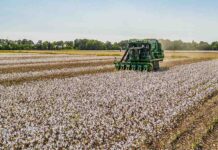
The textile industry operates within a meticulously organized system of interconnected processes that convert both natural and synthetic fibers into wearable and functional products. The journey begins with fiber production, where materials like cotton, wool, polyester, or viscose are harvested from agricultural fields or created via petrochemical processes. These raw fibers are then subjected to a plethora of chemical and mechanical treatments that gradually turn them into finished garments and home textiles.
The sophistication of the modern textile production process means that the simple t-shirt you wear may have been manufactured across various global locations before reaching your wardrobe. This complexity is reflective of the truly global nature of the textile industry.
The Significance of the Textile Industry
The textile industry serves as a crucial bridge connecting agriculture, manufacturing, and retail sectors. Unlike many industries that tend to operate within isolated ecosystems, textile production illustrates an intricate web of interdependencies. It links cotton farmers in India with synthetic fiber producers in China, garment manufacturers in Vietnam, and retailers across various nations. This complex supply chain adapts to consumer demands in real-time, adjusting production capacities and shifting manufacturing locations based on economic signals and trade dynamics.
The Scale and Economic Weight of Global Textile Production
The contemporary textile industry operates on a scale that few other sectors can rival. By 2024, the global textile market is projected to be worth between $1.1 trillion and $2.1 trillion, with expectations for continued growth into the 2030s. This upward trajectory reflects increasing consumer demand for textiles in developing nations as well as sophisticated applications in sectors like healthcare, agriculture, and industrial product manufacturing. The resilience of the textile industry is noteworthy; despite economic downturns and geopolitical challenges, textile consumption tends to remain steady across major markets.
The employment footprint is equally impressive, with estimates suggesting that over 75 million individuals work directly in textile and apparel manufacturing worldwide. Beyond factory floors, the textile industry extends to design studios, logistics centers, quality assurance labs, marketing teams, and retail environments. In developing nations, particularly in South and Southeast Asia, textile manufacturing serves as a vital pathway for rural populations to attain formal employment and engage in the global economy.
Core Definition and Scope of the Textile Industry
The textile industry encompasses all enterprises involved in the production of fibers, yarns, fabrics, and finished products for consumer and industrial uses. Its scope extends well beyond mere clothing manufacturing. Today, textile production includes technical textiles utilized in medical devices, geotextiles for infrastructure, industrial textiles for various manufacturing processes, and home textiles like bedding, towels, and upholstery materials.
The textile sector can be classified into three interconnected segments: fiber production, fabric manufacturing, and the production of finished goods. The fiber segment is responsible for sourcing and initially processing raw materials, transforming cotton into usable fibers or deriving synthetic fibers from petroleum. The fabric manufacturing segment includes the spinning of fibers into yarn, weaving or knitting them into fabrics, and finishing processes that shape the fabrics into usable form. Lastly, the apparel segment involves cutting, sewing, and assembling garments ready for consumers.
What sets the textile industry apart from many manufacturing sectors is the level of specialization and fragmentation across the supply chain. A typical production journey might involve fibers sourced in one country, spun into yarn in another, woven into fabric in yet another, and finally assembled into garments halfway around the globe. This geographical fragmentation can introduce vulnerabilities but also generates efficiencies by leveraging comparative advantages.
Trends in Textile Manufacturing
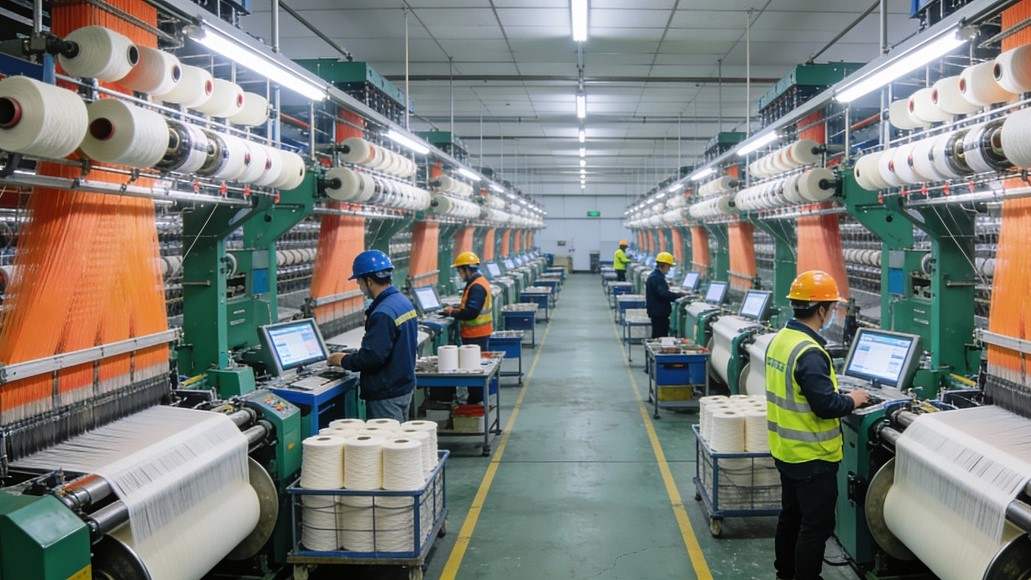
The textile industry has seen revolutionary changes over the past few decades, especially with the introduction of computerized manufacturing systems, automation technologies, and digital design tools. Once characterized primarily by labor-intensive processes, the sector is now dominated by advanced machinery and precision engineering that allows for rapid optimization of production.
Modern textile manufacturing facilities utilize automated systems to control complex machinery, reducing human involvement while increasing accuracy and efficiency. The advent of computerized looms has facilitated the production of intricate patterns with minimal human oversight, while automated cutting systems help minimize fabric waste. Integrated quality control systems utilize computer vision technology to identify defects imperceptible to the human eye.
However, the modernization of textile manufacturing has created both opportunities and challenges. While developing nations benefit from low labor costs, established textile centers have increasingly focused on high-tech applications and automated production methods. This bifurcation has redesigned the global competitive landscape, with emerging economies excelling in high-volume production and developed nations pivoting toward specialized, high-value innovations.
The Global Textile Market Landscape
China’s Dominant Role
When evaluating the magnitude of the textile industry, China stands out as the uncontested leader in both production and exports. The country contributed approximately $267 to $303 billion in textile exports as of 2023-2024, accounting for an astounding 32-35% of the global textile export market. This dominance is rooted in decades of strategic investments in textile infrastructure, sophisticated supply chain development, and expertise across all textile production sectors.
China’s textile industry operates at an unparalleled scale, employing over 8 million individuals within the sector, with a majority of the workforce being female. The nation’s manufacturers produce virtually every textile product imaginable, ranging from basic commodities to advanced technical textiles. The integrated nature of China’s supply chains enables manufacturers to offer competitive pricing, coupled with the vertical integration necessary to meet diverse consumer demands.
Competitive Dynamics and Regional Concentration
The Asia-Pacific region commands an overwhelming share of the global textile market, approximately 53-54%. Alongside China, significant textile-producing countries such as Vietnam, Bangladesh, India, Pakistan, and Indonesia focus on different market segments and price points. Vietnam has emerged as a prominent apparel manufacturer, housing over 6,000 garment factories with annual exports exceeding $48 billion. Bangladesh specializes in cost-effective garment production, aligning with fast-fashion retailers. Meanwhile, India continues to excel in traditional textiles, particularly in cotton and silk.
The concentration of textile production in the Asia-Pacific not only reflects current economic advantages but also historical momentum that attracts investors and manufacturers. The availability of raw materials, such as cotton from India and Pakistan, along with labor cost advantages, has created a reinforcing cycle that solidifies the region’s dominance.
Major Players in the Textile Sector
The textile industry is composed of thousands of companies, ranging from small family-run businesses to multinational corporations generating billions in revenue. Leading companies such as Inditex S.A., Toray Industries Inc., and Aditya Birla Fashion & Retail Limited exemplify various market segments and strategic approaches.
Inditex, the Spanish multinational known for its Zara brand, generates annual revenues exceeding €34 billion, emphasizing rapid response to fashion trends through a vertically integrated model. This ability to innovate keeps the company at the forefront of modern retailing.
In the realm of technical textiles, Toray Industries, a Japanese multinational company, specializes in advanced synthetic fibers for sectors including aerospace and automotive. With close to $20 billion in annual revenues, Toray represents the evolution beyond basic apparel into high-value industrial applications.
Emerging textile companies, while often smaller in scale than their multinational counterparts, leverage sustainability, ethical production, and innovative materials to carve out significant market niches. These companies challenge established practices and prompt larger firms to adopt more sustainable methods.
Historical and Contemporary Leaders in Textile Production
While China dominates the current global textile market, several countries historically hold significant respect within the textile industry for their specializations and exceptional product quality. Italy is synonymous with luxury textile production, particularly renowned for its exquisite silk and high-quality wool. Regions such as Como and Biella have established long-standing reputations for their craftsmanship.
Germany leads in innovative textiles, focusing on advanced materials for an array of industries, including medical and sportswear applications. The precision engineering quality associated with German textiles positions them favorably in a competitive global market.
India’s historical significance in cotton and traditional textile production endures, making it a vital player in the global market while promoting sustainable practices. Vietnam and Bangladesh have established themselves within the manufacturing landscape by producing garments efficiently, supporting national economic growth.
Fiber Types and Market Dynamics
The most frequently used textiles are a topic of diverse perspectives. Polyester remains the most produced textile fiber globally, accounting for about 19 million tons in annual production. Its durability and lower cost make it a popular choice, particularly in sportswear and synthetic blends.
Cotton, while not as voluminous in production, commands significant consumer preference, particularly for items like undergarments and bedding, thanks to its comfort and breathability. Its production runs about 25 million tons annually.
Viscose is another frequently used material, gaining favor for its silk-like feel at a more accessible price point. However, with growing consumer interest in sustainable alternatives, fibers such as hemp and linen are starting to gain traction within the market.
Conclusion: The Future of the Textile Industry
As the textile industry approaches a critical juncture, it must balance traditional manufacturing strengths against growing pressures for sustainability and innovation. While China’s dominance is expected to continue, regional specialization is becoming increasingly vital as countries carve out niches where they can effectively compete.
The integration of advanced technologies and emphasis on sustainability will continue reshaping the industry landscape. Understanding the complexities and dynamics of the textile industry provides valuable insights into global supply chains and trade relationships. As the industry evolves, its fundamental importance ensures that textile manufacturing will remain a critical sector for years to come.