



























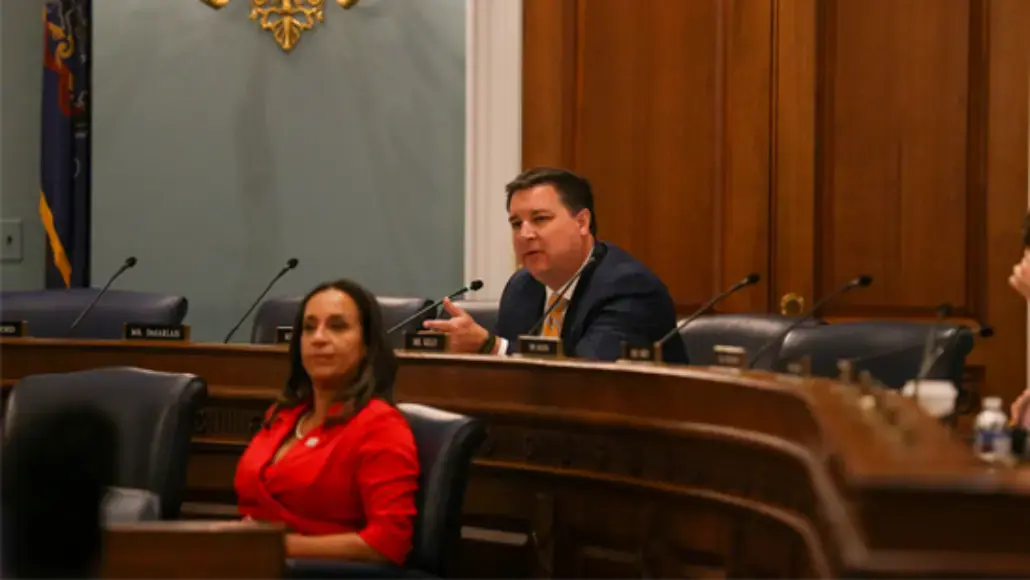
WASHINGTON, DC – Reps. David Rouzer and Adriano Espaillat, joined by 14 other members of Congress, have asked the Department of Homeland Security to step up customs enforcement to protect the U.S. textile industry from alleged trade fraud and illegal imports. In their letter, the bipartisan group calls for U.S. textile customs enforcement to be tightened to safeguard domestic manufacturers.
According to the letter, some foreign producers are allegedly routing goods through countries with U.S. free‑trade agreements to bypass customs laws and tariffs. The lawmakers urge the department to improve fraud detection, strengthen enforcement, and take tougher action against repeat offenders.
The release cites industry context, noting that The United States is the second largest global exporter of textile products and a leading exporter of fiber and apparel, contributing more than $65 billion annually to the economy. The industry is also a significant source of federal revenue in the form of duties and tariffs. In Fiscal Year 2024, U.S. Customs and Border Protection reported collecting $13.2 billion in textile-related duties, accounting for approximately 17 percent of all duties collected.
“North Carolina has remained a top textile manufacturer even with foreign actors and organized crime undermining our great industry when they illegally circumvent our customs process. It’s time for that to end. With Secretary Mullin’s leadership, enforcement will be strengthened to protect North Carolina’s textile industry by punishing and blacklisting bad actors,” said Congressman David Rouzer.
The release also says that protecting textiles supports US cotton growers, manufacturers, and agriculture.
The request emphasizes customs enforcement measures aimed at curbing trade fraud and illegal imports that affect the U.S. textile industry. It highlights the role of CBP in improving fraud detection and enforcement to deter repeat violations. The call for stronger U.S. textile customs enforcement focuses on better fraud detection, stronger enforcement, and tougher action against repeat offenders.