


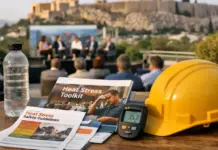
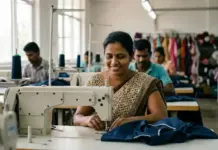





















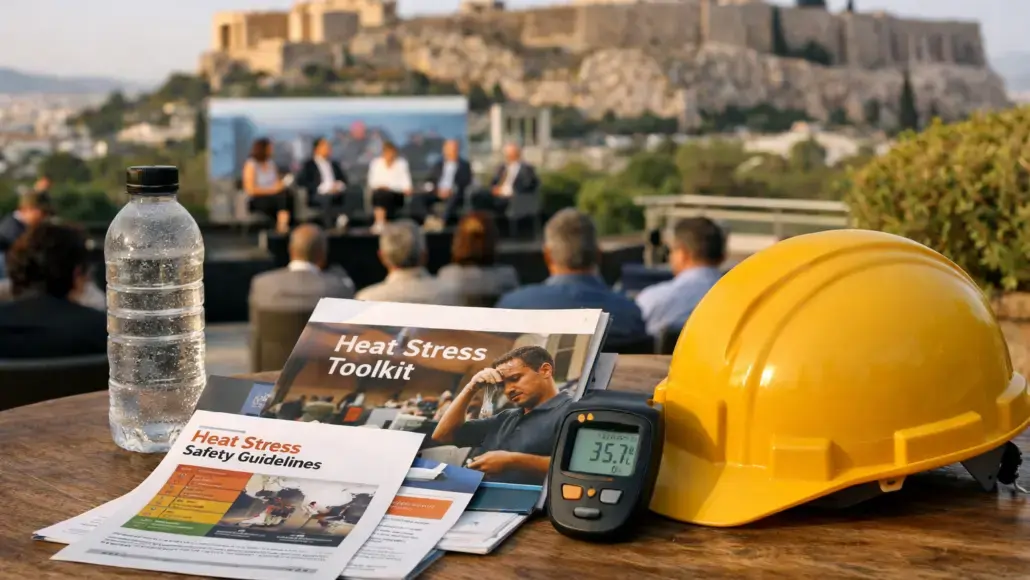
The American Apparel and Footwear Association (AAFA) has unveiled a comprehensive Heat Stress Toolkit designed to help manufacturers and brands address heat-related risks in production facilities across their supply chains. The toolkit was launched during Cascale’s Annual Meeting 2026, held in Athens, Greece.
A Practical Resource Built for the Supply Chain
The five-part toolkit is intended to provide ready-to-use resources for facilities and companies seeking to protect workers from heat-related hazards. It translates guidance from AAFA’s Guide to Protecting Workers from Heat Stress, issued in April 2026, into step-by-step implementation materials suited for use throughout the apparel and footwear supply chain.
The resource is explicitly not designed to function as an audit protocol or compliance standard. Instead, it serves as a framework for developing site-level heat stress plans tailored to each facility’s local realities.
In addition to facility-level guidance, the heat stress toolkit includes a companion workbook for manufacturers, brand implementation guidelines, and a standard supplier survey questionnaire intended to streamline industry-wide practices.
Collaborative Development Across the Industry
The AAFA stated that the toolkit was created through a collaborative process that brought together voices from brands, manufacturers, and worker-advocacy groups. The Brand Implementation Guidelines and Supplier Survey were drafted by the AAFA Heat Guidance Working Group, while the manufacturer-oriented elements and workbook were prepared by the Fashion Producer Collective, with support from the working group.
Key contributors to the development of the heat risk management resource included Elevate Textiles, Epic Group, Shahi Exports, and YKK Corporation. Feedback was also provided by organisations including Crescent Bahuman, MAS Capital, TAL Apparel, Yee Chain International, and the Vaada Hope Foundation.
AAFA Executive Vice President Nate Herman stated: “As extreme heat becomes an increasingly common reality worldwide, our industry must act to protect the workers who are at the heart of our supply chains. Given the fashion industry’s global, interconnected, and diverse nature, it was essential that the AAFA Heat Stress Toolkit be informed by perspectives from across the supply chain. By bringing together the voices of workers, manufacturers, and brands, we have created a practical resource that supports meaningful progress on protecting workers from heat stress.”
Five Guiding Principles of the Toolkit
The heat stress toolkit is built around five core principles that reflect the collective priorities of its contributors.
Protecting Workers
The goal is to identify and address heat stress early. Facilities retain the flexibility to choose controls that fit their specific context, rather than applying the toolkit as an audit or verification protocol.
Measuring to Act
Data should be used to trigger protective action and guide investment decisions, while remaining within the facility and avoiding unnecessary or duplicative reporting requests.
Sharing Risk and Financial Responsibility
Brands and manufacturers are expected to share responsibility for the investments and potential disruption involved in building heat resilience, and to create the commercial conditions needed to protect workers.
Prioritising Context Over Prescription
Heat risk management must reflect the operational, financial, technical, and local realities of each facility. The toolkit acknowledges that there is no one-size-fits-all solution for worker heat protection across the global apparel supply chain.
Making Communication Two-Way
Brands and manufacturers are encouraged to work together to plan for heat stress, communicate expectations and investment needs early, and address potential impacts on production before they escalate.
Cascale’s Role in Advancing the Effort
Cascale’s Chief Executive Officer Ying McGuire commented on the organisation’s contribution: “We are proud to have contributed to the work informing the Heat Stress Toolkit by providing a forum for meaningful dialogue among the apparel and footwear industry’s diverse stakeholders. The practical, actionable solutions reflected in this resource were only possible through active listening and bringing perspectives and implementation realities from across the supply chain into collective industry efforts to address the urgent challenge of heat stress.”
The AAFA Heat Stress Toolkit represents a coordinated industry response to growing heat-related risks across global apparel supply chains, offering manufacturers and brands a shared, structured approach to worker heat protection.