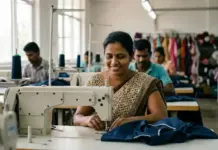



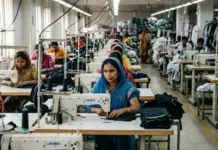
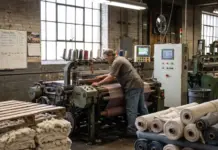

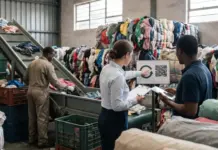









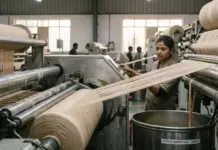










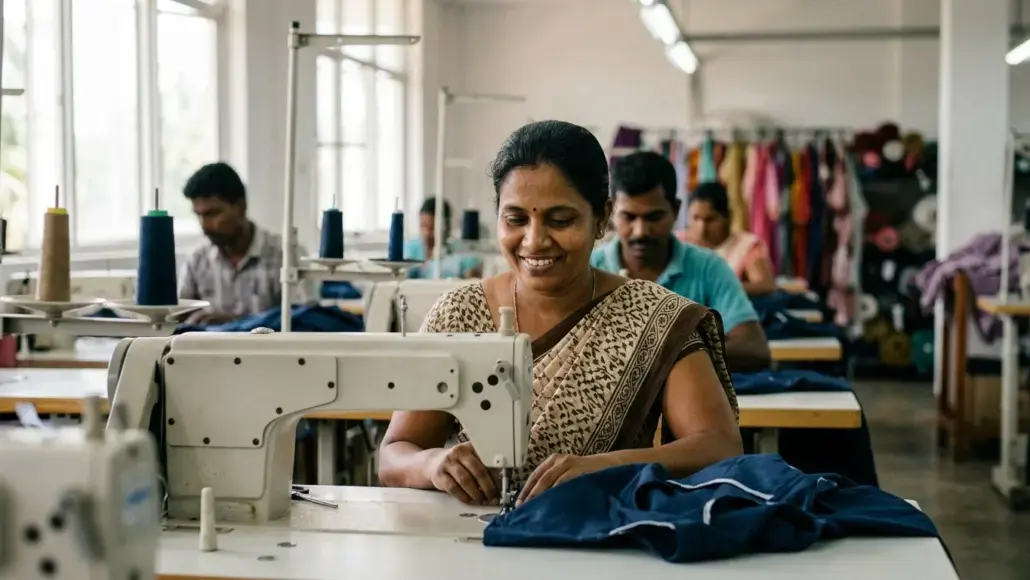
Sri Lanka’s apparel industry is actively pursuing upstream investment to strengthen its domestic textile manufacturing base, as mounting trade pressure from the United States compels the sector to rethink its supply chain dependencies and long-term export strategy.
The push comes at a time when Sri Lanka finds itself navigating a complex trade environment, particularly with the United States — one of its largest export markets for garments. Industry stakeholders and government officials have recognized that the country’s heavy reliance on imported fabric and raw materials leaves it exposed to both cost pressures and trade policy uncertainties. Developing a stronger upstream textile manufacturing capacity is now being viewed as a strategic necessity rather than an optional upgrade.
The Case for Upstream Development
Sri Lanka’s garment export sector has long been recognized for its quality and compliance standards, making it a preferred sourcing destination for global fashion brands. However, the country’s limited domestic fabric production has historically meant that manufacturers depend on imports — primarily from India, China, and other regional suppliers — to fulfill orders. This structural gap has been a long-standing concern for the industry.
With US trade pressure rising, the urgency around upstream investment in Sri Lanka’s apparel sector has intensified. A stronger local textile base would allow Sri Lankan manufacturers to improve lead times, reduce input costs, and meet rules-of-origin requirements more effectively — factors that are increasingly critical in trade negotiations and buyer sourcing decisions.
Industry voices have pointed out that without meaningful investment in yarn, fabric, and related upstream segments, Sri Lanka’s apparel export competitiveness could be undermined over time. The ability to offer a more vertically integrated supply chain is seen as essential to retaining and expanding market access, especially in the United States.
US Trade Dynamics Adding to the Pressure
The United States remains a dominant destination for Sri Lankan apparel exports, and shifts in US trade policy have placed fresh urgency on the sector’s structural development. Sri Lanka currently does not benefit from preferential trade access to the US market under a free trade agreement, which means its exporters compete on tariff terms that are less favorable compared to some regional peers.
This trade pressure from the US has pushed industry leaders and policymakers to focus on enhancing the sector’s value addition capabilities. The logic is straightforward — the more Sri Lanka can produce locally across the textile value chain, the better positioned its exporters will be to compete on price, compliance, and sourcing flexibility.
The broader conversation around US trade pressure is also shaping how Sri Lanka positions itself in ongoing discussions around trade preference programs and bilateral trade frameworks. Strengthening upstream textile manufacturing is being advocated as part of a comprehensive approach to improving the country’s trade standing with the United States.
Industry and Government Alignment on Upstream Goals
There is a growing convergence between industry bodies and the Sri Lankan government on the need to attract upstream investment. Efforts are being directed toward encouraging both domestic entrepreneurs and foreign investors to set up fabric mills, dyeing and finishing units, and other upstream facilities within the country.
Sri Lanka apparel manufacturers and industry associations have been vocal about the need for policy support — including incentives, infrastructure development, and streamlined regulations — to make upstream investment viable and attractive. The aim is to create an ecosystem where garment manufacturers can source a greater proportion of their fabric and materials locally, reducing dependence on imports and improving overall supply chain resilience.
The government’s role in facilitating this shift is considered important, with calls for targeted industrial policy that supports textile manufacturing investment at scale.
Competitiveness and the Road Ahead
The drive for upstream investment in Sri Lanka’s apparel sector reflects a wider recognition that export competitiveness in global garment markets can no longer rest on assembly and finishing alone. Buyers, particularly from the United States and Europe, are increasingly evaluating suppliers on the basis of their end-to-end capabilities, sustainability credentials, and supply chain transparency.
For Sri Lanka, building upstream textile manufacturing capacity represents a direct response to these evolving expectations. The sector’s ability to attract meaningful upstream investment — and translate it into tangible supply chain depth — will play a significant role in determining how effectively it manages the pressures of US trade dynamics and sustains its position as a quality garment sourcing hub.
Sri Lanka apparel industry stakeholders continue to press for accelerated action, emphasizing that the window for building this capacity is narrowing as competitor nations in the region also scale up their own textile manufacturing ecosystems.