




























Bangladesh Bans Yarn Imports from India via Land Ports

Note* - All images used are for editorial and illustrative purposes only and may not originate from the original news provider or associated company.

Subscribe

- Never miss a story with notifications

- Browse free from up to 5 devices at once

- Gain full access to our premium content

Media Packs

Expand Your Reach With Our Customized Solutions Empowering Your Campaigns To Maximize Your Reach & Drive Real Results!
โ€“ Access The Media Pack Now!
โ€“ Book a Conference Call
โ€“ Leave Message for us to Get Back

Related stories

Retail Leaders: Climate Risks Are Hitting Margins and Supply

Sustainability can no longer sit in a separate ESG...

UK Resale Accelerates as Cost Pressures Shift Fashion Demand

The UKโ€™s secondhand economy is moving from the margins...
AI Summary

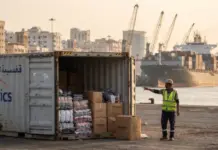
The National Board of Revenue (NBR) has announced a notification revoking the ability to import yarn through the land ports of Benapole, Bhomra, Sonamasjid, Banglabandha, and Burimari, all situated along the India-Bangladesh border. This new notification, issued on Tuesday, amends a previous order from August 27, 2024, and the decision is effective immediately.

According to sources within the Indian textile sector, these ports have been the primary entry points for yarn imported into Bangladesh from India. Historically, India has been the leading yarn supplier to Bangladesh’s garment and textile sector, also providing a significant amount of fabric. However, bilateral trade has faced considerable challenges since the establishment of the Interim regime in Bangladesh last August.

This recentย Bangladesh yarn import banย is anticipated to shift Bangladeshโ€™s yarn imports toward other countries, particularly China. However, sourcing yarn from China or other nations via seaports typically takes 2 to 3 weeks and incurs higher shipping costs. In contrast, yarn shipments from India reached Bangladesh in just 2 to 5 days through land routes. Many Indian textile firms had also established warehouses in Kolkata to facilitate quicker and more economical deliveries.

It is said that the Bangladesh yarn import banย is intended to safeguard its domestic textile industry. Nevertheless, local manufacturers caution that it could disrupt production and negatively impact the industry’s competitiveness on the global stage.

Connecting Textile, Apparel & Fashion Decisionโ€‘Makers Worldwide

Global Textile Times

Global Textile Times brings together the global supply chainโ€”from raw materials and manufacturing to brands and retailersโ€”through trusted editorial, market intelligence, and digital engagement.

Our 2026 Media Pack offers integrated solutions to reach your audience:

  • Print & Digital Editions โ€“ Showcase your brand within premium editorial coverage and online channels read by executives and influencers.
  • Industry Insights & Reports โ€“ Align with data-driven analysis, trend reports, and regional roundups across the global textile value chain.
  • Brand Authority & Credibility โ€“ Position your company as a thought leader by associating with expert commentary, interviews, and special features.

Download the Media Pack to activate your presence across the global textile and apparel ecosystem.

Latest stories

Related stories

Retail Leaders: Climate Risks Are Hitting Margins and Supply

Sustainability can no longer sit in a separate ESG...

UK Resale Accelerates as Cost Pressures Shift Fashion Demand

The UKโ€™s secondhand economy is moving from the margins...

Subscribe

- Never miss a story with notifications

- Gain full access to our premium content

- Browse free from up to 5 devices at once

Media Packs

Expand Your Reach With Our Customized Solutions Empowering Your Campaigns To Maximize Your Reach & Drive Real Results!

โ€“ Access The Media Pack Now!
โ€“ Book a Conference Call
โ€“ Leave Message for us to Get Back

Translate ยป