


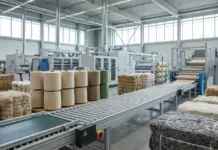

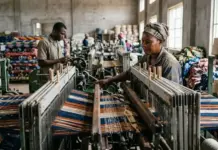
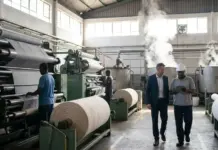
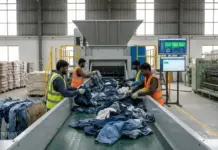














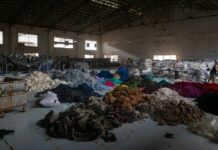







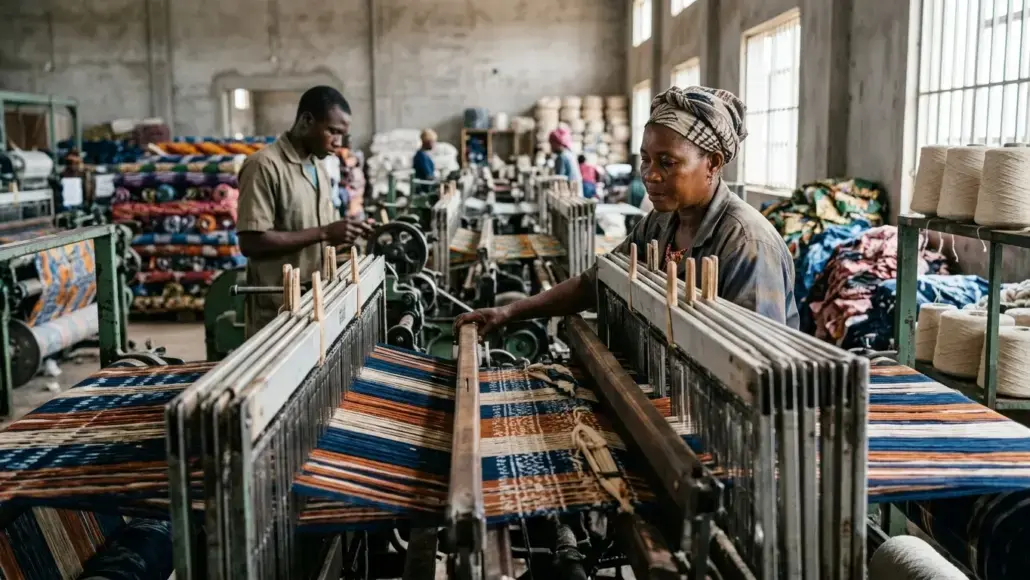
Nigeria’s textile industry, once among the most formidable on the African continent, has experienced a prolonged and painful decline over several decades. At its peak, the sector employed hundreds of thousands of workers and contributed meaningfully to the national economy. Today, however, the industry operates at a fraction of its former capacity, with most factories either shut down or running well below optimal output. The conversation around textile industry revival is not new, but the urgency surrounding it has grown considerably in recent times.
A Sector Struggling to Stay Afloat
The Nigerian textile sector has been battered by a combination of forces over the years. Cheap imports, particularly from Asia, have undercut locally manufactured goods, making it increasingly difficult for domestic producers to remain competitive on price. At the same time, the cost of doing business in Nigeria remains stubbornly high, driven by unreliable electricity supply, rising fuel prices, and the ongoing challenge of accessing affordable financing.
Many textile manufacturing plants that were operational a few decades ago have since closed their gates. Workers who once formed the backbone of a thriving industrial workforce have been left without livelihoods, and the ripple effects have extended into cotton farming communities that depended on the sector for demand. The collapse of textile manufacturing in Nigeria has therefore not been an isolated industrial story — it has been a social and economic one as well.
The Cotton Connection
Central to any meaningful discussion of textile industry revival in Nigeria is the condition of its cotton farming base. Nigeria was once a significant producer of cotton, and the agricultural backbone existed to supply local mills. However, as mills closed and demand from the domestic industry dried up, cotton farmers lost a critical market. Many shifted to other crops, and the infrastructure supporting cotton production in Nigeria deteriorated significantly.
Reviving the textile sector without simultaneously addressing the cotton value chain would be an incomplete exercise. The two are deeply interlinked, and policies aimed at boosting one without the other are unlikely to deliver sustainable outcomes. Restoring confidence among cotton farmers and incentivising renewed cultivation requires not just market assurances but also access to improved seedlings, extension services, and reliable off-take agreements from manufacturers.
Smuggling and the Import Challenge
One of the most persistently cited threats to the Nigeria textile sector is the unchecked flow of smuggled and underpriced foreign fabrics into the market. Imported textiles, some of which enter through unofficial channels and bypass import duties, flood local markets at prices that domestic producers simply cannot match given their cost structures. This has created an uneven playing field that continues to undermine investment confidence in local textile manufacturing.
Industry stakeholders have repeatedly called on government authorities to enforce existing trade regulations more rigorously and to close loopholes that allow contraband textiles to enter the Nigerian market. Without stronger border controls and more effective customs enforcement, even the most well-intentioned industrial revival efforts risk being undermined at the market level.
Infrastructure as a Barrier to Growth
The wider infrastructure deficit in Nigeria poses a serious constraint to industrial policy Nigeria ambitions in the textile space. Power supply remains one of the most significant cost drivers for textile manufacturers, many of whom are forced to run diesel generators for extended periods to keep production lines moving. This alone adds substantially to the cost of Nigerian-made textiles, reducing their competitiveness against imported alternatives.
Transportation infrastructure also plays a role. Moving raw cotton from farming regions to processing facilities, and finished goods from factories to retail markets, involves logistical challenges that add time and cost to the supply chain. Investment in roads, rail links, and energy infrastructure is therefore not peripheral to textile industry revival — it is foundational to it.
Financing and the Investment Gap
Access to capital remains another major obstacle. Many existing textile operators and potential new entrants cite the high cost of borrowing in Nigeria as a significant deterrent to investment. Interest rates in Nigeria have historically been elevated, and the terms on which commercial credit is available are often incompatible with the long investment cycles that characterise heavy manufacturing sectors like textiles.
There have been calls for targeted intervention funds and development finance initiatives specifically structured for the Nigeria textile sector, with concessionary lending rates and longer repayment periods. Such instruments, advocates argue, would help bridge the investment gap and encourage both existing players to retool and new investors to enter the space. The success of similar targeted financing mechanisms in other manufacturing sub-sectors provides some basis for optimism, though the details of implementation remain critical.
The Role of Policy and Government Action
At the heart of any credible textile industry revival strategy lies the question of policy commitment and consistency. Operators in the sector have pointed out that policy uncertainty has historically made long-term planning difficult. When trade policies shift, when incentives are introduced and later withdrawn, and when enforcement of protective measures is inconsistent, it erodes investor confidence and discourages the kind of capital-intensive commitments that textile manufacturing requires.
Stable and predictable industrial policy Nigeria frameworks, backed by clear enforcement mechanisms, are seen as prerequisites for meaningful sectoral recovery. This includes not only the regulation of imports and the protection of local producers from unfair competition, but also a coherent strategy for supporting the entire value chain — from cotton farming through spinning, weaving, finishing, and retail.
Government procurement policies could also play a role. Mandating that certain public sector purchases — uniforms for schools, hospitals, the military, and civil services — be sourced from domestically produced textiles would create a guaranteed off-take for local manufacturers and help stabilise demand while the broader market recovery takes hold.
Skills and Human Capital
The decline of the Nigeria textile sector over the decades has also resulted in a significant erosion of technical skills within the workforce. As factories closed and experienced workers aged out of the labour market, the pool of skilled textile technicians, machine operators, and production managers has thinned. Any serious revival effort would need to account for this skills gap through investment in vocational training, apprenticeships, and partnerships with technical institutions.
Building human capital is not a short-term fix, but it is an indispensable part of putting the sector back on a competitive footing. Without workers who have the technical knowledge to operate modern textile manufacturing equipment and maintain production quality, even well-funded factories will struggle to deliver consistent output.
What Revival Could Mean
A genuine recovery of Nigeria’s textile industry carries significant potential across multiple dimensions. Re-establishing domestic textile manufacturing capacity would create employment, particularly for young Nigerians entering the labour market. It would stimulate demand for locally grown cotton, providing income for rural farming communities. It would also reduce Nigeria’s dependence on imported fabrics and the foreign exchange outflows that accompany such imports.
The conditions for textile industry revival are complex and interlinked, and no single intervention is likely to be sufficient on its own. Progress will require coordinated action across trade policy, infrastructure investment, agricultural support, financing mechanisms, and skills development. What remains clear is that the foundation for a competitive textile industry in Nigeria exists — the question is whether the enabling environment can be built and sustained to allow that foundation to support meaningful growth once again.