




























The Centre for the Promotion of Private Enterprise (CPPE) has cautioned that the Senate’s call for a textile import ban in Nigeria could jeopardise industries valued at about ₦17 trillion and put an estimated 10 million jobs at risk. As debate intensifies around a Textile import ban Nigeria, the organisation urged policymakers to consider the broad economic linkages before acting.
Senate push targets revival of local mills and cotton production
The Senate urged the Federal Government to impose an outright prohibition on foreign textile fabrics to revive the Nigeria textile industry and stimulate cotton production, with emphasis on the Kaduna–Kano industrial corridor.
CPPE flags downstream impact across fashion, furniture and MSMEs
While acknowledging the intent, CPPE Chief Executive Dr. Muda Yusuf said the move would undermine downstream sectors and was unlikely to achieve its stated objectives, warning of adverse consequences for the wider economy.
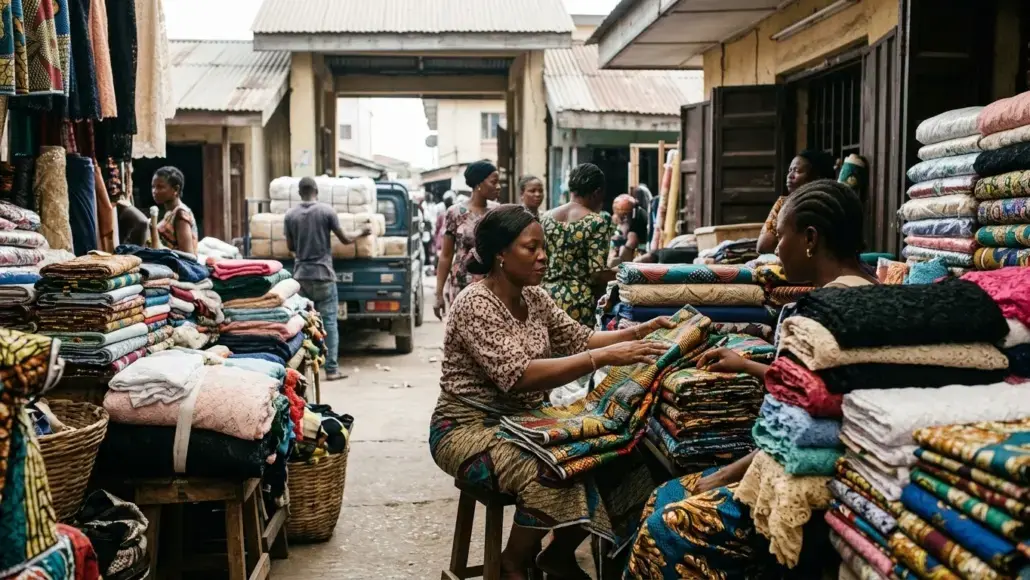
Nigeria’s fashion, garment-making and tailoring ecosystem is estimated at around ₦10 trillion and employs nearly 10 million people. Imported fabrics are critical inputs for these activities; restricting access would raise costs, narrow consumer choice and disrupt thousands of MSMEs across the value chain.
Fabrics are also indispensable to the furniture and interior design market put at about ₦7 trillion which relies heavily on textiles for upholstery, office furniture, hotel furnishings and mattresses.
Structural constraints, not import penetration
According to CPPE, the decline of domestic textile manufacturing stems from structural bottlenecks, including high energy costs, expensive credit, poor infrastructure, smuggling and obsolete technology, rather than import penetration. Imported fabrics already attract combined duties and taxes of 35–45%, yet local producers remain uncompetitive because of production economics and lack the capacity to deliver the quantity, quality and variety required by downstream industries within the Nigeria textile industry.
Reform-focused alternatives proposed by CPPE
Instead of a blanket textile import ban, CPPE recommended competitiveness-focused measures: revive cotton production, reduce energy costs, modernise technology, strengthen border enforcement, expand access to affordable finance and leverage government procurement to support local manufacturers. CPPE maintained that a Textile import ban Nigeria would address symptoms while leaving the underlying causes unresolved, urging reforms that enable MSMEs and the broader Nigeria textile industry to operate efficiently and sustainably.