






























PSI 2026

Global Cotton Faces Supply-Demand Challenges in 2025

Note* - All images used are for editorial and illustrative purposes only and may not originate from the original news provider or associated company.

Subscribe

- Never miss a story with notifications

- Gain full access to our premium content

- Browse free from up to 5 devices at once

Media Packs

Expand Your Reach With Our Customized Solutions Empowering Your Campaigns To Maximize Your Reach & Drive Real Results!
– Access The Media Pack Now!
– Book a Conference Call
Leave Message for us to Get Back

Related stories

Premium Fabric Innovation Driving Demand for High-Value Apparel

The premium fabric innovation market is experiencing unprecedented growth, driven by consumer demand for superior comfort, durability, and performance. Advanced engineering technologies including nanotechnology, smart textiles, and engineered materials are reshaping high-value apparel across fashion, corporate, and promotional sectors. The global luxury fabric market is projected to reach USD 8.32 billion by 2030, expanding at an 11% CAGR. This comprehensive analysis explores how premium fabric innovation is elevating consumer expectations and creating competitive differentiation in the apparel industry.

Victoria’s Secret Raises FY25 Outlook After Strong Q3

US lingerie retailer Victoria’s Secret (VS&Co) has upgraded its Victoria’s...

Low Impact Manufacturing Methods Reducing Textile Environmental Footprint

Explore how resource-efficient production technologies such as waterless dyeing, energy optimization, and reduced chemical processing are revolutionizing textile manufacturing. This article examines low-impact methods that minimize environmental harm while maintaining quality and performance standards.

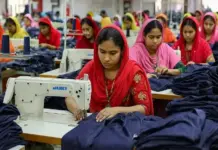
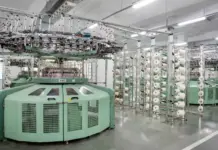
The global cotton industry is bracing itself for significant challenges in 2025, as a growing gap between supply and demand threatens to disrupt the market. According to experts, cotton production is expected to see a considerable drop, which could lead to tight supplies and higher prices.

On the supply side, unpredictable weather conditions and reduced planting areas across key cotton-growing regions are major contributing factors. Farmers in several countries are shifting to alternative crops that promise higher profitability, further adding to the supply crunch.

At the same time, global demand for cotton continues to rise, fueled by increasing consumer preferences for natural and sustainable fibers. The textile and apparel industries are ramping up their use of cotton as brands worldwide emphasize sustainability in their product lines.

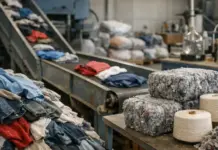
This mismatch between supply and demand presents serious challenges for both manufacturers and buyers. Rising cotton prices could increase production costs for textile companies, potentially leading to higher prices for consumers. In response, industry stakeholders are urging for innovations in cotton farming and alternative solutions, such as blending cotton with other fibers, to address supply issues.

As 2025 approaches, experts stress the importance of balancing sustainability goals with the realities of global cotton production. Ensuring adequate supply while keeping costs manageable will be key to navigating these challenges.

Latest stories

Related stories

Premium Fabric Innovation Driving Demand for High-Value Apparel

The premium fabric innovation market is experiencing unprecedented growth, driven by consumer demand for superior comfort, durability, and performance. Advanced engineering technologies including nanotechnology, smart textiles, and engineered materials are reshaping high-value apparel across fashion, corporate, and promotional sectors. The global luxury fabric market is projected to reach USD 8.32 billion by 2030, expanding at an 11% CAGR. This comprehensive analysis explores how premium fabric innovation is elevating consumer expectations and creating competitive differentiation in the apparel industry.

Victoria’s Secret Raises FY25 Outlook After Strong Q3

US lingerie retailer Victoria’s Secret (VS&Co) has upgraded its Victoria’s...

Low Impact Manufacturing Methods Reducing Textile Environmental Footprint

Explore how resource-efficient production technologies such as waterless dyeing, energy optimization, and reduced chemical processing are revolutionizing textile manufacturing. This article examines low-impact methods that minimize environmental harm while maintaining quality and performance standards.

Subscribe

- Never miss a story with notifications

- Gain full access to our premium content

- Browse free from up to 5 devices at once

Media Packs

Expand Your Reach With Our Customized Solutions Empowering Your Campaigns To Maximize Your Reach & Drive Real Results!

– Access The Media Pack Now!
– Book a Conference Call
Leave Message for us to Get Back

Translate »