
























The domestic textile sector is currently managing a multifaceted landscape of trade volatility, fluctuating demand, and persistent recruitment hurdles. According to industry leaders, the convergence of these factors has created an environment where protecting existing operations and planning long-term capital investments requires a highly strategic approach. Current US textile industry trends indicate that manufacturers are increasingly linking their production and logistics decisions directly to evolving international regulations and domestic constraints.
Kimberly Glas, president and CEO of the National Council of Textile Organizations, recently noted that the operating climate has become exceptionally strenuous. This difficulty stems from a combination of shifting trade rules, including enforcement related to forced labor and new duties on regional goods. For those involved in US textile manufacturing, the challenge lies in balancing the rising costs of raw materials and machinery with the need to remain competitive against overseas producers who may benefit from external subsidies.
Operational Contraction and the Impact of Trade Rules
The scale of the current industry pressure is evidenced by the loss of 43 textile operations over the last two years. This contraction highlights the difficulties businesses face when trying to plan production schedules and sourcing programs amidst rapidly changing regulations. Because the industry relies on specialized equipment and complex supply chains, sudden shifts in textile trade policy can lead to significant expense increases, even when policies are intended to support domestic growth.
The competitive imbalance is further exacerbated when domestic firms face higher operating costs while competing with low-priced imports. This environment impacts every stage of the business, from initial sourcing and production to final pricing and customer relations. Industry reports suggest that closer cooperation with partners in the Western Hemisphere remains a vital strategy for rebuilding employment and encouraging new investment.
The Duality of Tariffs in Domestic Production
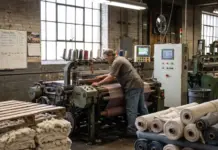
Tariffs serve as a central point of discussion regarding competitiveness. While they can protect domestic production when applied predictably, there is a risk that they may become counterproductive if they inflate the cost of the machinery and inputs necessary for modernization. For executives, the predictability of a textile trade policy is often as critical as the tariff levels themselves. A stable regulatory framework allows for accurate budgeting, whereas frequent changes can delay essential decisions regarding equipment upgrades and system expansions.
Addressing the Growing Workforce Gap
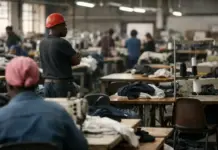
Beyond trade, the availability of skilled workers remains a primary constraint. A recent analysis found that more than two-thirds of manufacturers identify the recruitment and retention of textile industry labor as their most significant operational challenge. As the sector moves toward increased automation, the demand for employees capable of managing and maintaining sophisticated production systems has only intensified.
Capacity Utilization and Specialized Skills
The scarcity of qualified personnel has led some firms to operate at only 50 to 70 percent of their total capacity. This suggests that production limits are frequently dictated by the availability of textile industry labor rather than a lack of equipment or market demand. The industry faces a dual challenge: fulfilling immediate staffing needs for current operations while simultaneously building a pipeline of workers capable of supporting advanced production and specialized material development.
Strategic Shifts into Technical Markets and Sustainability
In response to these pressures, many businesses are repositioning themselves to reduce exposure to direct import competition. This involves a transition toward nonwovens and military-adjacent products that serve commercial applications. By focusing on technical textile innovation, companies can compete on performance requirements and specialized capabilities rather than strictly on price.
Innovation in Material Recovery
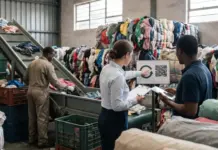
The industry is also looking toward new methods of resource management to ensure long-term resilience. The establishment of specialized facilities, such as the new sorting plant in Ohio, demonstrates how material recycling and recovery are becoming integral to the sector’s strategy. By evaluating new approaches to material management, manufacturers can potentially discover additional commercial opportunities and develop more resilient supply networks.
As the sector explores the potential of material recycling, it also influences how businesses view their entire supply chain. Rather than relying solely on traditional inputs, companies are beginning to examine the role of recovered materials in the production cycle. This shift toward technical textile innovation and sustainable practices represents a broader adjustment to the shifting global market.
Policy Proposals and the Path Forward
Industry advocates are increasingly calling for clearer policy conditions to encourage capital spending. One proposal involves a joint onshoring initiative that would reward the purchase of domestic goods through tariff credits. This incentive-based approach aims to strengthen demand for US textile manufacturing and create a more dependable environment for investment and employment.
The future of the sector will likely depend on the ability of manufacturers to secure predictable trade conditions, maintain a skilled workforce, and identify markets that value domestic technical expertise. As US textile industry trends continue to evolve, the integration of logistics, labor, and innovative material use will remain essential for navigating the complexities of the global marketplace.