






















French luxury group LVMH Moët Hennessy Louis Vuitton recorded modest revenue growth in the third quarter of 2026, supported by stronger trading in the United States, Europe and Japan. However, subdued demand in China and persistent global economic and geopolitical uncertainty continued to challenge parts of its business.
LVMH Q3 2026 revenue reached €18.504 billion, up from €18.280 billion in the corresponding period last year. Organic growth stood at 1% year on year, with selective retailing, watches and jewellery, wines and spirits, and perfumes and cosmetics contributing to the performance.
Selective retailing was the strongest performer among the businesses highlighted, generating €4.070 billion in revenue and recording 8% organic growth. Sephora remained a key contributor, benefiting from robust demand and further market-share gains.
China weighs on fashion and leather goods
The fashion and leather goods division generated €8.245 billion in quarterly revenue, while organic sales declined 5%. Resilient demand in the US provided support, but weaker Chinese market conditions continued to weigh on the segment.
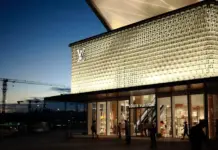
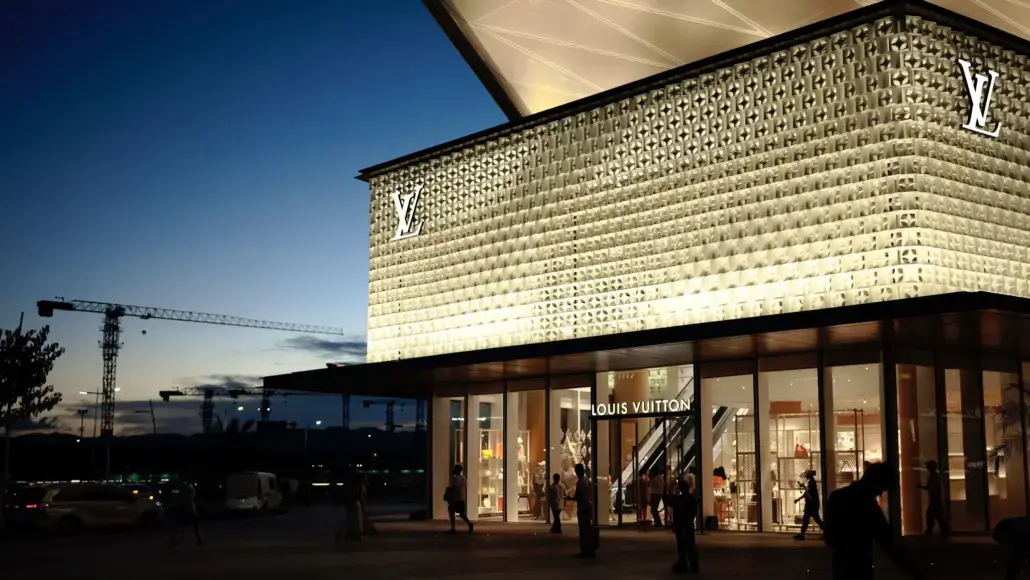
LVMH said creative developments across its luxury houses remained central to its strategy. Louis Vuitton, Christian Dior, Loro Piana, Celine, Fendi, Loewe and Givenchy continued introducing new collections and retail concepts to sustain brand appeal.
Other activities and eliminations accounted for €251 million in revenue during the quarter. The group also completed the sale of Marc Jacobs to WHP Global on September 1, while most of its DFS businesses had been sold.
Brand investment remains a priority
Despite uneven market conditions, LVMH plans to maintain its focus on product quality, brand identity, retail execution and operational flexibility. The group said these priorities would help strengthen customer appeal and support its competitive position in the global luxury market.
The latest LVMH Q3 2026 revenue performance reflects contrasting conditions across its businesses, with selective retailing delivering stronger growth while fashion and leather goods face continued pressure from China.