


















The UK’s waste and resources charity, WRAP, is working on developing a new framework designed to significantly improve how used textiles are collected, sorted, reused, and recycled across the United Kingdom. The initiative is part of a broader push to strengthen the domestic infrastructure for textile reuse and textile recycling, which has long been considered underdeveloped relative to the scale of the problem.
The Scale of the Textile Waste Challenge
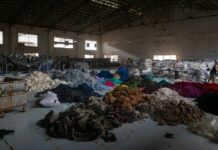
The UK generates a substantial volume of textile waste every year, and a large proportion of clothing and household textiles that could otherwise be reused or recycled ends up in residual waste streams. WRAP’s effort to build a more coherent system reflects an acknowledgment that the current patchwork of collection routes, charity shops, take-back schemes, and local authority services is not sufficient to meet the volume of materials being discarded.
The new system being planned by WRAP aims to bring greater coordination to the way textiles move through the post-consumer supply chain — from the point of disposal by households all the way through to sorting facilities and ultimately to reuse or recycling markets.
What WRAP Is Proposing
WRAP’s approach centres on creating a more structured and traceable pathway for used clothing and textiles. The organisation is looking at how to improve the quality and volume of textiles that are captured through collection systems, as well as how to ensure those materials are directed toward their highest-value end use, whether that is direct reuse, preparation for reuse, or fibre-to-fibre textile recycling.
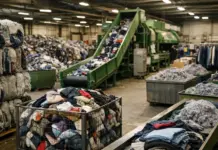
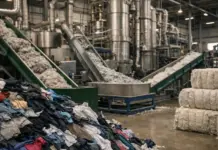
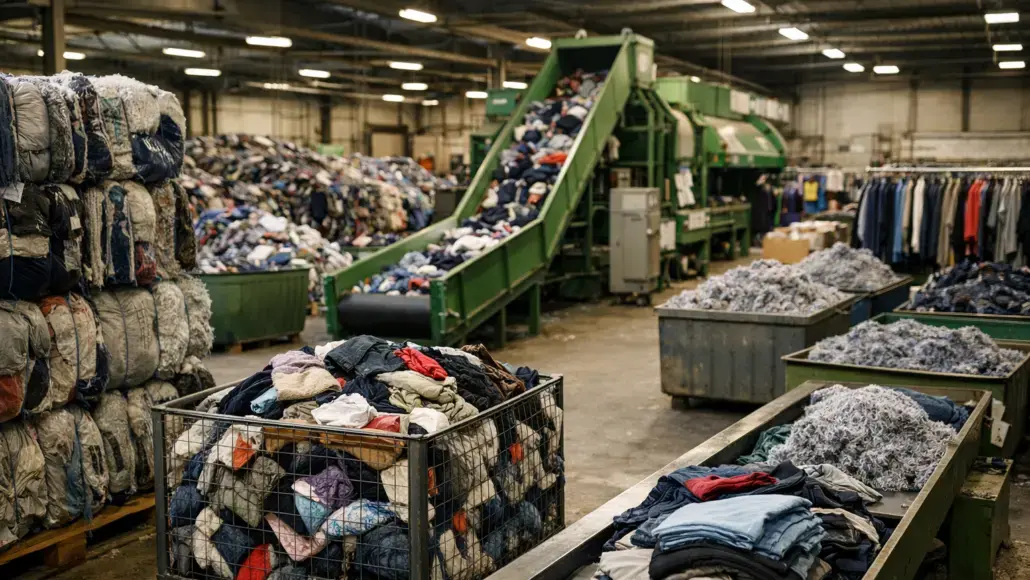
A key element of this work involves understanding the current bottlenecks in the UK textile recycling and reuse ecosystem. This includes looking at how sorting infrastructure can be enhanced so that materials are better categorised by condition and fibre type, which in turn makes them more suitable for downstream processing.
WRAP is also examining how different stakeholders — including retailers, local authorities, charities, and commercial collectors — can work more cohesively within a shared system rather than operating in relative isolation from one another.
Extended Producer Responsibility and Policy Context
The development of this system sits within a broader policy environment that is evolving quickly in the UK. Extended Producer Responsibility, or EPR, for textiles is a policy mechanism being discussed and developed at a government level, which would place greater financial and operational responsibility on clothing brands and retailers for what happens to their products at end of life.
WRAP’s work is closely aligned with the anticipated rollout of textile EPR, as any functioning producer responsibility scheme will require a robust and reliable collection and processing infrastructure to operate effectively. The circular economy principles underpinning textile EPR make it essential that reuse and textile recycling systems are capable of handling the materials that producers will be financially responsible for diverting from landfill and incineration.
Collaboration Across the Textile Value Chain
WRAP has been engaging with a range of stakeholders as part of developing this new system. The organisation recognises that no single actor can address the complexity of textile waste flows on its own, and that meaningful progress on UK textile recycling will depend on coordinated action across the full value chain.
Retailers and brands have a role to play in designing products for longevity and recyclability. Collectors and sorters need the infrastructure and market signals to handle increasing volumes of materials responsibly. And local authorities need clearer guidance and support to integrate textile collection into their wider waste services in a way that maximises diversion from residual waste.
WRAP’s initiative is aimed at creating a system where these different actors are aligned and where the flow of textiles through the reuse and recycling chain is more transparent and efficient.
Why This Matters for the Circular Economy
Textiles are one of the resource-intensive sectors when it comes to water use, chemical inputs, and carbon emissions associated with production. Keeping garments and fibres in use for longer — through reuse, repair, and ultimately textile recycling — is widely recognised as one of the most effective ways to reduce the environmental footprint of clothing.
By developing a more functional system for post-consumer textiles, WRAP is addressing a gap that has persisted in the UK’s circular economy infrastructure. The clothing collection and sorting ecosystem has historically been fragmented, with limited data, inconsistent quality standards, and insufficient processing capacity domestically. A more structured approach, as envisioned by WRAP, would help to address these systemic issues.
Looking at the Broader Picture
WRAP’s initiative for textile reuse and textile recycling is part of its wider Textiles 2030 programme, through which the organisation works with signatories from across the fashion and textiles industry to commit to reducing carbon and water footprints and to increase circularity. The development of a new system for post-consumer textiles represents a practical infrastructure component that is intended to complement the voluntary commitments already made by industry signatories.
The work underscores the growing recognition in the UK that improving clothing collection systems and scaling up domestic textile recycling capacity are not optional extras — they are foundational requirements for any credible strategy to make the fashion industry more sustainable and resource-efficient.
As WRAP continues to develop the details of this new framework, the outcomes are expected to have significant implications for how the UK manages its textile waste in the years ahead, particularly as policy measures such as EPR begin to take shape and the demand for credible reuse and UK textile recycling pathways grows accordingly.