









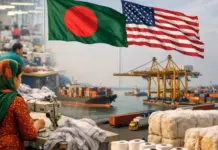



















Bangladesh has successfully negotiated a 20% tariff on garment exports to the United States, a move that brings considerable relief to the country’s garment manufacturers. This agreement is particularly crucial as Bangladesh’s textile sector continues to navigate challenges posed by increasing competition from other garment-producing nations.
The decision, which was reached after extensive discussions between Bangladeshi officials and U.S. trade representatives, is expected to bolster Bangladesh’s position as a leading supplier in the global textile market. The U.S. remains one of the largest importers of Bangladeshi garments, making this tariff structure vital for local manufacturers in maintaining competitive pricing.
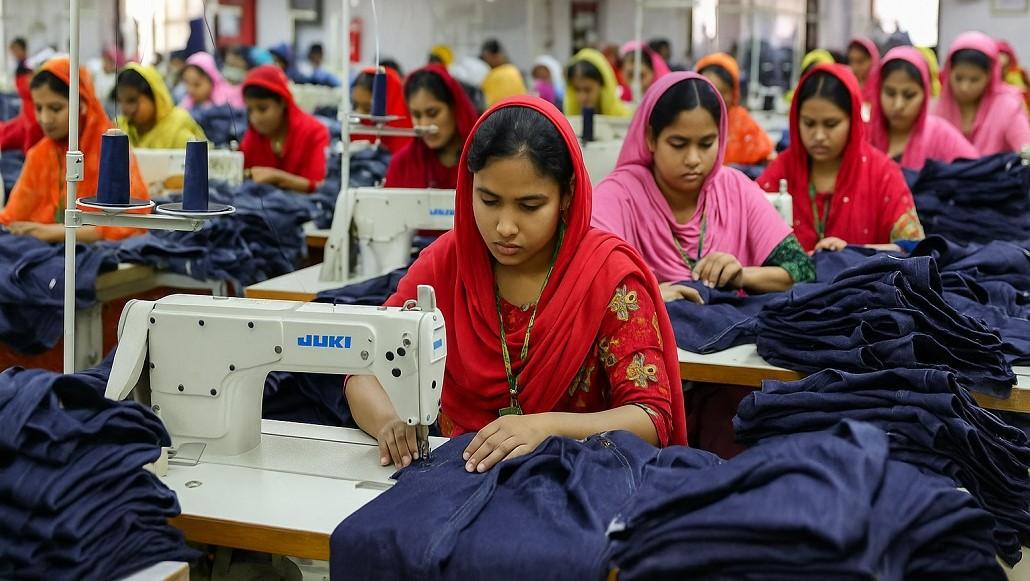
Exporters have expressed their satisfaction with the tariff arrangement, viewing it as a significant victory amid fluctuating market conditions that have threatened profit margins. The garment industry is a cornerstone of Bangladesh’s economy, accounting for approximately 80% of the country’s total exports and employing millions of workers, predominantly women. As such, the new tariff is seen as a positive step toward stabilizing the industry and supporting the livelihoods of millions.
Industry stakeholders believe the 20% tariff will not only enhance profitability for local manufacturers but also attract foreign investment into the Bangladeshi textile sector. This influx of capital could improve production capabilities and boost quality standards, allowing Bangladesh to better compete against emerging rivals like Vietnam and India.
The Bangladeshi government is optimistic that this new tariff structure will contribute to sustained growth in the garment sector, helping to secure jobs and improve the livelihoods of millions who depend on the textile industry. As the agreement unfolds, it signals a strengthening of trade relations between Bangladesh and the U.S., paving the way for future collaborations and opportunities in the garment sector, ultimately solidifying Bangladesh’s role in the global fashion supply chain.
Furthermore, local manufacturers are encouraged to innovate their product lines to meet evolving consumer preferences in the U.S. market. The government plans to provide additional support and resources to help manufacturers adapt to the competitive landscape. In addition, this agreement could serve as a foundation for negotiating further trade benefits, ensuring that Bangladesh continues to thrive as a key player in the global textile industry.