





























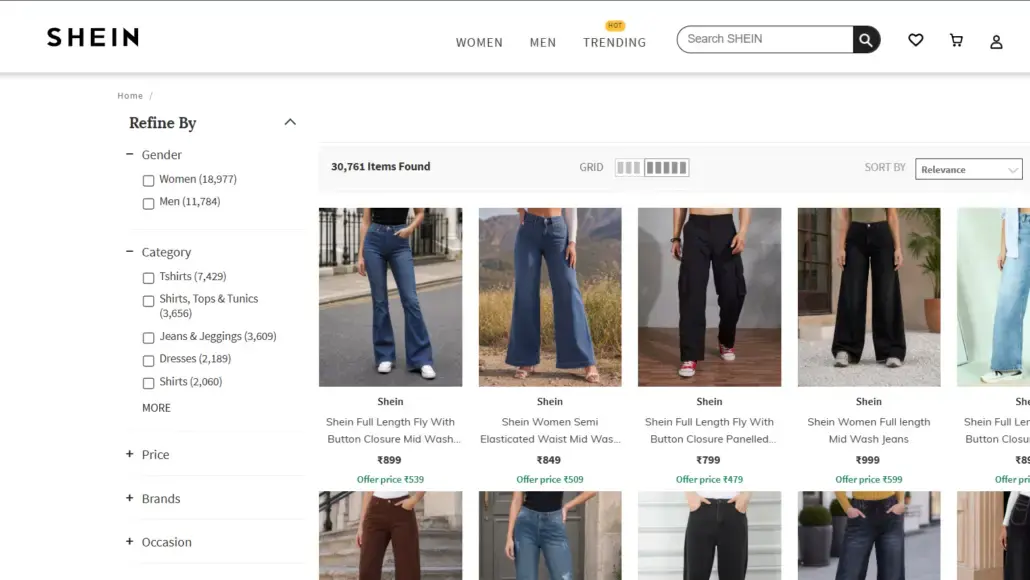
Shein, the global fast fashion e-commerce giant, is heading toward a Hong Kong IPO with an expected valuation of approximately $25 billion — a figure that stands in sharp contrast to the nearly $100 billion valuation the company commanded during a 2022 fundraising round. The dramatic difference underscores the mounting challenges that have steadily weighed on the company’s financial standing and investor appeal.
A Valuation Under Pressure
According to Reuters, citing people familiar with the matter, Shein’s current IPO marketing price band sits in the $25 billion to $28 billion range. This marks a further reduction from the $30 billion to $40 billion target that had been reported earlier this month, and falls well below the $40 billion to $50 billion valuation cited just last month. The Shein Hong Kong IPO trajectory has clearly shifted, with each revision pointing to a more cautious market reception than originally anticipated.
The company is expected to issue up to 341.6 million shares in the offering, representing approximately 8% of its total shares. At a $25 billion valuation, the Hong Kong IPO could raise as much as $2 billion, according to a fourth source cited by Reuters.
Revenue Slowdown and Financial Headwinds
Shein’s financial performance tells a story of rapid deceleration. The company posted year-on-year net revenue growth of 41.1% in 2023 and 20.7% in 2024. By 2025, however, that growth had slowed to just 8%, with total revenue reported at $41.8 billion. The slowdown extended into 2026, with first-quarter revenue growing by only 1.1% — a direct reflection of the impact of US customs duties and tariffs imposed since May 2025.
Financial filings cited by Reuters revealed that Shein posted a net loss of $99 million for the first quarter of 2026, alongside $328 million in fair value losses on convertible shares. Net income for 2025 stood at $2.06 billion. Based on these figures, a $25 billion valuation puts the Shein IPO price at roughly 12 times earnings.
Trade Costs, Regulation, and Competition
The company’s valuation and investor appetite have been eroded by a combination of factors. A dramatic slowdown in revenue growth has been compounded by rising trade costs, increasing regulatory scrutiny, and intensifying competition. Once a rapidly expanding e-commerce player with a low-cost clothing offer reaching approximately 160 countries, Shein has faced government crackdowns on the sale of cheap Chinese-made goods in major markets, particularly the United States — developments that have dented both its growth prospects and profitability.
Adding to these pressures, Shein recently lost a copyright infringement case against budget rival Temu, further unsettling investor sentiment around its competitive position in the fast fashion space.
The Path to Listing
Shein began seeking approval for a Hong Kong IPO from Chinese authorities in August last year. The process reportedly involved a lengthy wait for regulatory clearance, with the decision requiring sign-off from senior levels of the Communist Party, according to sources with direct knowledge of the matter.
The lower valuation also carries structural implications for existing stakeholders. Deal provisions require additional shares to be issued if the final IPO price fails to meet previously agreed thresholds — meaning the revised pricing could directly affect the allocation of shares between founders and pre-IPO investors.
The Shein Hong Kong IPO share sale could come as soon as late August, with the company’s market debut on the Hong Kong stock exchange expected on 28 August.