





























PSI 2026

SMART: Renew AGOA Before Expiration to Protect US Jobs

Note* - All images used are for editorial and illustrative purposes only and may not originate from the original news provider or associated company.

Subscribe

- Never miss a story with notifications

- Gain full access to our premium content

- Browse free from up to 5 devices at once

Media Packs

Expand Your Reach With Our Customized Solutions Empowering Your Campaigns To Maximize Your Reach & Drive Real Results!
– Access The Media Pack Now!
– Book a Conference Call
Leave Message for us to Get Back

Related stories

Circular Fashion Trends Encouraging Textile Recycling and Upcycling

Circular fashion trends represent fundamental reimagining of apparel industry economics and environmental responsibility. Moving beyond traditional linear production models, circular approaches emphasize textile recycling, upcycling, waste elimination, and extended product lifecycles. The market currently diverts 92 million tons of annual textile waste while creating innovative business models generating value from materials previously destined for landfills.

Minimalist Fashion Trends Influencing Color and Material Palettes

Minimalist fashion philosophy fundamentally challenges contemporary consumer culture by emphasizing quality over quantity, timeless aesthetics over trend-driven novelty, and understated elegance over visual excess. Minimalist trends directly shape material selection toward natural fabrics, neutral color palettes, and refined simplicity that communicates sophisticated restraint and intentional curation rather than conspicuous consumption.

How Sustainable Materials are Redefining Modern Fashion Trends

Sustainable materials have transitioned from niche alternatives to mainstream fashion imperatives, fundamentally redefining how designers approach trend creation and consumer expectations. From organic cotton and recycled polyester to innovative bio-based fibers like mycelium and fruit-waste textiles, the adoption of eco-friendly materials represents the most significant fashion trend reshaping the apparel industry's future.

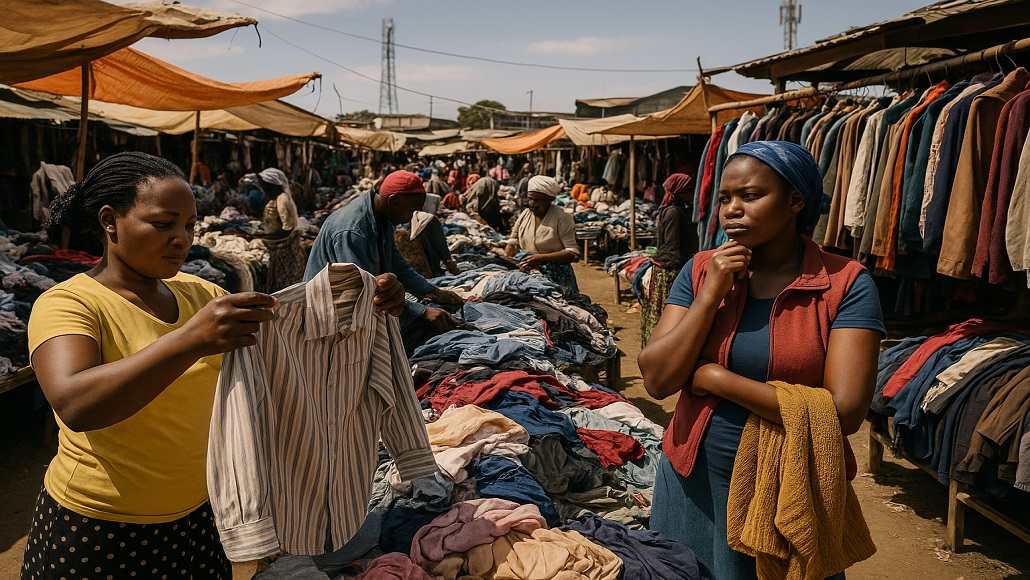
The Secondary Materials and Recycled Textiles Association (SMART) has called on the U.S. government to renew the African Growth and Opportunity Act (AGOA) before its expiration at the end of this month.

SMART, which advocates for U.S. companies involved in the international trade of secondhand clothing and recycled textile products, has sent a letter to USTR Ambassador Jamieson Greer urging prompt action. They emphasize that AGOA must be renewed before September 30, 2025, to prevent U.S. businesses from losing essential protections that facilitate fair and reciprocal trading with African nations.

According to SMART, it is crucial for both Congress and the administration to act swiftly in order to secure ongoing support for American businesses, workers, and sustainable trade practices.

The association highlighted the significance of secondhand clothing and reclaimed textiles, which rank among the top two textile and apparel exports from the U.S. by volume.

Cameron Curtis, the executive director of SMART, explained, “AGOA has been a cornerstone in safeguarding the interests of our sector. When East African Community (EAC) nations attempted to ban imports of secondhand clothing several years ago, it was U.S. leadership—backed by AGOA—that ensured the ban was reversed and fair trade obligations were upheld. The programme remains essential to deterring unfair trade practices and countering China’s growing influence across the continent.”

SMART cautioned that failing to renew AGOA would empower trading partners to impose new barriers against U.S. goods, putting American jobs at risk and undermining the principles of free and fair trade.

Eric Warshaw, ITAC-12 Advisor to SMART, added, “Renewal of AGOA will send a clear signal that the United States is committed to accountability, fairness, and mutual benefit in global trade. Our industry supports thousands of American workers and advances sustainability by extending the life of textiles. Reauthorization directly strengthens U.S. economic and environmental goals.”

Latest stories

Related stories

Circular Fashion Trends Encouraging Textile Recycling and Upcycling

Circular fashion trends represent fundamental reimagining of apparel industry economics and environmental responsibility. Moving beyond traditional linear production models, circular approaches emphasize textile recycling, upcycling, waste elimination, and extended product lifecycles. The market currently diverts 92 million tons of annual textile waste while creating innovative business models generating value from materials previously destined for landfills.

Minimalist Fashion Trends Influencing Color and Material Palettes

Minimalist fashion philosophy fundamentally challenges contemporary consumer culture by emphasizing quality over quantity, timeless aesthetics over trend-driven novelty, and understated elegance over visual excess. Minimalist trends directly shape material selection toward natural fabrics, neutral color palettes, and refined simplicity that communicates sophisticated restraint and intentional curation rather than conspicuous consumption.

How Sustainable Materials are Redefining Modern Fashion Trends

Sustainable materials have transitioned from niche alternatives to mainstream fashion imperatives, fundamentally redefining how designers approach trend creation and consumer expectations. From organic cotton and recycled polyester to innovative bio-based fibers like mycelium and fruit-waste textiles, the adoption of eco-friendly materials represents the most significant fashion trend reshaping the apparel industry's future.

Subscribe

- Never miss a story with notifications

- Gain full access to our premium content

- Browse free from up to 5 devices at once

Media Packs

Expand Your Reach With Our Customized Solutions Empowering Your Campaigns To Maximize Your Reach & Drive Real Results!

– Access The Media Pack Now!
– Book a Conference Call
Leave Message for us to Get Back

Translate »