


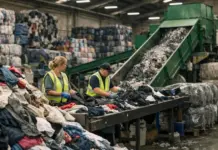
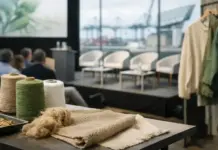
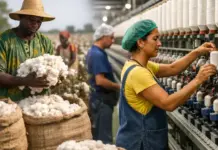
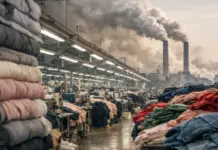





















In 2024, approximately 1.4 million tonnes of post-consumer textiles were generated across the United Kingdom, underscoring the urgent need for greater investment in the infrastructure required to recover, reuse, and recycle valuable textile resources. It is estimated that nearly half of this volume consists of non-reusable textiles, highlighting a growing need for new solutions to recover and process textiles at meaningful scale.
Demand for recycled textile materials is rising, yet the systems necessary to produce them from post-consumer textiles remain in early stages of development. The Circuit has been established specifically to close that gap.
What Is The Circuit?
The Circuit is a purpose-built initiative designed to create new pathways through which UK-generated non-reusable end-of-use textiles can be recovered, sorted, and pre-processed into input materials for the existing and emerging fibre to fibre recycling industry. By bringing together organisations from across the value chain, The Circuit aims to create the scale, consistency, and commercial conditions needed to accelerate the long-term viability of textile to textile recycling.
The initiative also supports the broader UK economy by enabling job creation and manufacturing. Central to its model is automated sorting and pre-processing, positioned close to where textiles reach end of use, and converting those materials into feedstock for regional and global supply chains.
The partnership supports the development of both mechanical and chemical recycling processes, enabling UK-generated post-consumer textiles to be transformed into raw materials for regional and global textile manufacturing. By creating multiple routes to market for recovered materials, participating retailers will help shape the value chains that underpin future circular materials supply.
Circle-8 and the Infrastructure Behind The Circuit
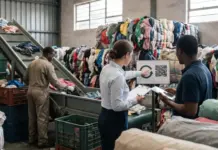
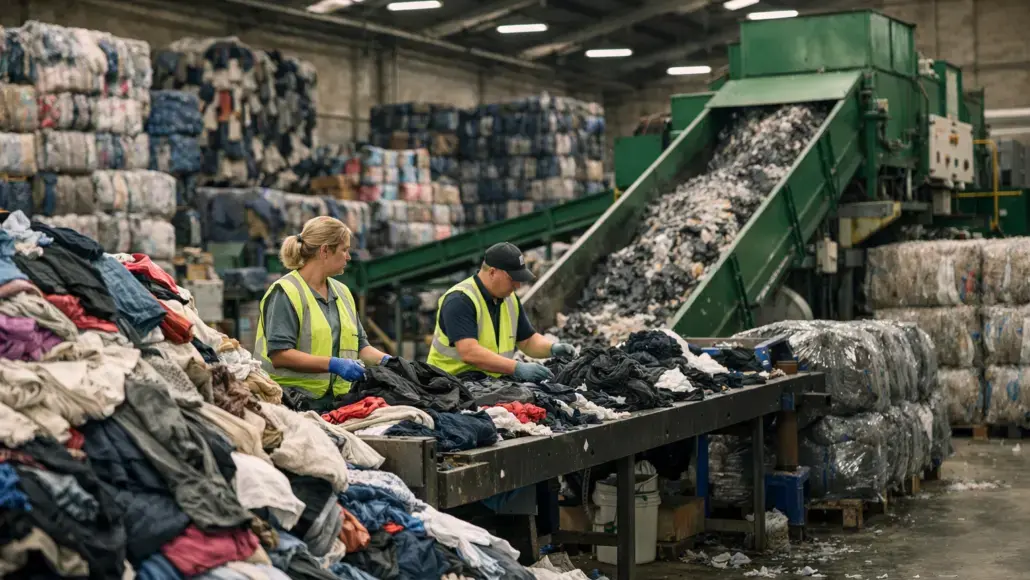
Circle-8, the development company behind The Circuit, is responsible for building the infrastructure, partnerships, and commercial frameworks required to connect post-consumer textile recovery with future circular material supply. This includes the development of Automated Textile Sorting and Pre-processing facilities, which produce feedstock for existing and emerging textile recyclers engaged in fibre to fibre recycling.
First Phase: Batley, Yorkshire — January 2027
The first phase of The Circuit is scheduled to begin in January 2027, bringing together retailers and partners at Oxfam’s site in Batley, Yorkshire. This initial phase will focus on automated textile sorting, combined with developing reporting frameworks to improve traceability, identifying circular material opportunities, building relationships with recyclers, and exploring operational models that could support further scaling of the initiative.
Oxfam will play a central role in separating reusable and non-reusable textiles and operating the automated textile sorting equipment, drawing on its longstanding expertise in textile recovery and reuse.
Retailers at the Heart of The Circuit
New Look, Marks and Spencer (M&S), and Sainsbury’s Tu Clothing are among the founding retail partners of The Circuit, each contributing to the goal of advancing textile recycling UK-wide.
Lynda Petherick, Chief Executive Officer at New Look, stated that building a more circular fashion industry requires collaboration right across the value chain. She noted that The Circuit gives retailers an opportunity to play an active role in developing the systems that could turn non-reusable textiles already in circulation into the raw materials of the future, and that for New Look, the focus is on helping create more resilient, circular supply chains over the longer term.
Katharine Beacham, Head of Sustainability and Materials in Fashion, Home and Beauty at M&S, explained that M&S believes the most sustainable clothing is clothing that is worn and loved for longer. She referenced the company’s Plan A for Another Life initiative, which carries an ambition to give 5 million items another life by 2030 through rewear, repair, resale, and recycling. Beacham described The Circuit as an important step forward in bringing together organisations from across the retail industry to help create viable routes for non-reusable textiles and support a more circular future for fashion.
Ben Smith, Managing Director of Sainsbury’s Tu Clothing, said that creating a more circular future for textiles will require collaboration and innovation across the whole industry. He described The Circuit as an opportunity to work alongside partners from across the value chain to explore how post-consumer textiles generated in the UK can be given a new life as valuable raw materials, with the goal of learning, testing practical solutions, and helping shape a more circular textiles economy.
Oxfam’s Role and Long-Term Textile Recovery Experience
Rachel Cosgrove-Pearce, Retail Director at Oxfam, noted that Oxfam has been giving clothes a second life for almost 80 years and that its experience shows keeping clothing in use for as long as possible is one of the most effective ways to reduce fashion’s environmental impact. She added that better solutions are urgently needed for textiles that can no longer be worn or reused, and that developing the infrastructure to recover valuable fibres from end-of-use textiles is an important part of building a fashion system that uses fewer virgin resources and creates less environmental harm. She expressed that The Circuit brings together the expertise and investment needed to move this forward at scale.
Circle-8’s Vision for Circular Textile Value Chains
Cyndi Rhoades, CEO and Co-Founder of Circle-8 Textile Ecosystems, said that the retailers who help build circular textile value chains today will be best positioned to influence and benefit from them tomorrow. She noted that through The Circuit, Circle-8 is powering the relationships, infrastructure, and commercial frameworks needed to make that possible, and emphasised that no single organisation can create a circular textile value chain alone.
The Circuit represents a structured, industry-wide response to the scale of post-consumer textile waste being generated across the UK, with textile recycling UK solutions now moving from concept to committed infrastructure, supported by some of the country’s most recognised retail brands.

