

























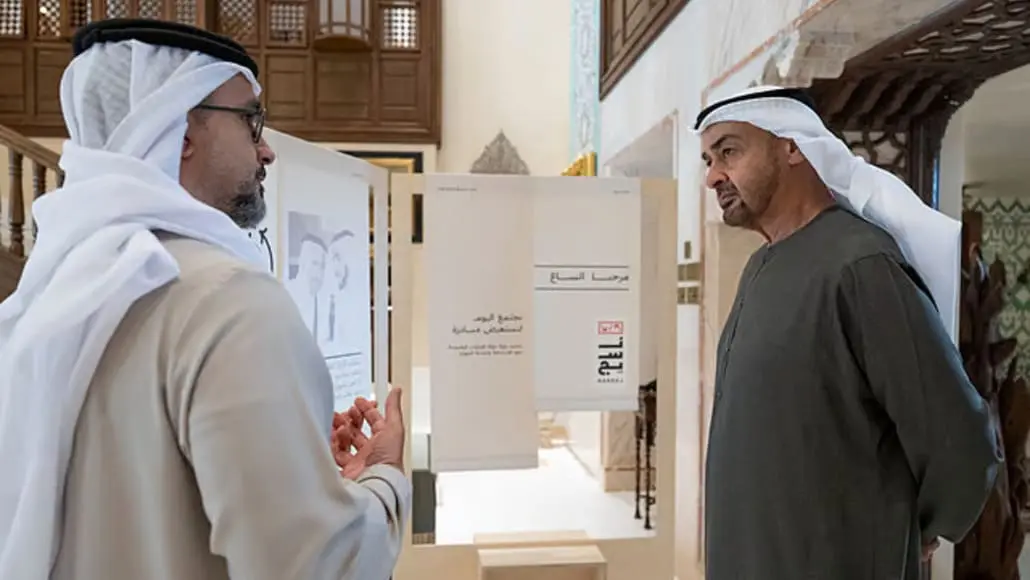
Abdulla bin Touq Al Marri, the UAE’s Minister of Economy and Tourism, affirmed that the recently launched national “Naseej” initiative is set to significantly contribute to the nation’s industrial circularity goals. The initiative, spearheaded under the directives of the UAE leadership, aims to recycle an impressive 220,000 tonnes of discarded textiles annually across the Emirates. This ambitious undertaking specifically targets the textile sector to enhance resource efficiency and promote sustainable textiles.
Minister Al Marri made these statements during “The Fabric of Possibility,” the inaugural community event for the Naseej initiative, held at Yas Mall in Abu Dhabi. He highlighted that this substantial volume of textiles represents a valuable economic resource. By re-manufacturing and undertaking robust textile recycling efforts, the UAE circular textile economy will not only bolster sustainability but also optimize the utilization of precious resources.
New Investment Horizons and Sectoral Integration
The “Naseej” initiative is poised to unlock fresh opportunities for investors and entrepreneurs. It seeks to introduce pioneering investment, development, and industrial projects that will transform the textile sector into a fully integrated circular economic ecosystem. The outputs from this system can be effectively channeled into a diverse range of sectors, including furniture manufacturing, construction materials, and various other industries. This strategic approach strengthens the circular economy UAE model by creating interconnected value chains.
Bin Touq elaborated on the foundational principles of the circular economy, emphasizing reuse, textile recycling, and the optimal use of resources. This integrated system commences from the initial stages of production and extends to industrial waste, which can then be repurposed as crucial production inputs for other factories and sectors.
National Vision and Environmental Benefits
The UAE is placing considerable emphasis on developing an advanced and integrated circular economy system, aligning with leading international practices. The Ministry of Economy and Tourism is actively working to link different stages of industrial production through policies that support the establishment of geographically clustered factories. This clustering model is designed to serve the UAE circular textile economy within a cohesive industrial environment.
This comprehensive approach is expected to enhance the sustainability of the national economy while simultaneously delivering significant environmental advantages. These benefits include reducing carbon dioxide emissions and lowering the nation’s dependence on imported products, thereby reinforcing the overall resource efficiency of the country.
The Minister further stressed that the circular economy represents one of the future economies for the UAE. Ongoing efforts are dedicated to developing supportive policies and strategies, alongside strengthening public awareness regarding circular economy principles. These actions are vital to reinforcing the UAE’s position as a leading global hub in this critical field, paving the way for more sustainable textiles and practices.
Expanding Reach and Future Programs
Through a blend of aligned policies, concerted industrial action, and active community participation, the Naseej initiative aims to solidify the UAE’s standing as a global benchmark in the UAE circular textile economy. The initiative seeks to offer a pioneering model that effectively balances economic growth with essential environmental sustainability.
Looking ahead, the initiative plans to expand its community events to additional areas across the country. These interactive experiences are designed to encourage members of society to fully grasp the impact of textile waste, explore viable sustainable solutions, and actively contribute to shaping a more sustainable future. The next phase is expected to feature a series of programs and initiatives supporting sustainable production, enhancing the infrastructure for textile collection, sorting, and textile recycling, and advancing research and pilot projects that enable the implementation of scalable circular solutions on a broader level, thereby cementing the circular economy UAE.