



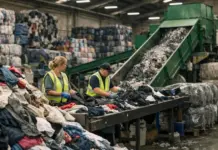




















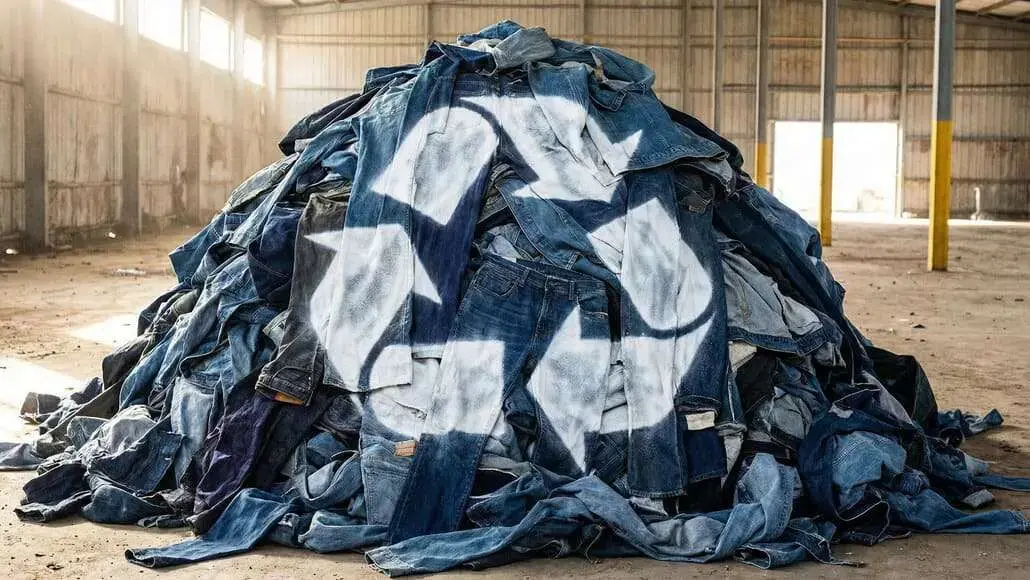
Researchers at the University of Tartu have successfully developed a novel method for recycling cellulose from cotton textile waste, transforming discarded materials like old jeans into a promising new foam. This innovation holds significant potential for applications in insulation and packaging, offering a sustainable alternative to traditional petroleum-based products.
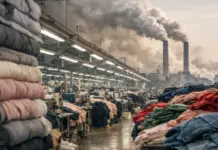
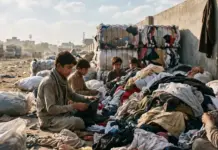
Each year, the world generates an estimated 92 million tons of textile waste, with a very small fraction currently being recycled. This new development from the University of Tartu aims to address this challenge by providing a viable pathway to repurpose cotton fabrics into valuable new materials.
Professor Tarmo Tamm, a leading figure in applied materials science at the University of Tartu, highlighted the inherent value of cellulose. “Cellulose is an extremely valuable polymer,” Professor Tamm stated. “It is one of the strongest natural polymers, it is biodegradable, and applications can be found for it in areas where we currently use oil- and natural gas-based materials.”
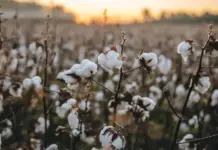
The research team focused on cotton textile waste, experimenting with materials ranging from cotton T-shirts to denim jeans to produce the novel foam. A key challenge in processing blended textiles, which often contain both synthetic and natural fibers, is the separation of these components. To overcome this, the team utilizes ionic liquids, a form of liquid salt, to effectively dissolve the natural cellulose fibers.
Once the cellulose is dissolved, it can be chemically modified to impart new properties, such as water repellency. The resulting foam material exhibits potential for use in both the construction and packaging industries. Professor Tamm expressed optimism that this cellulose foam could serve as a replacement for polystyrene foam, often seen littering urban and natural environments. “Our hope is that we can replace foam plastic for insulation and packaging, at least to some extent, with foam materials made from cellulose waste,” he remarked.
The research group has already demonstrated the feasibility of producing this type of material. The subsequent phase of their work involves collaboration with the Estonian University of Life Sciences to conduct biodegradation studies in soil and water. This step is crucial before exploring broader implementation of their methods. The findings of this research have been published in the journal Circular Economy and Sustainability. This advancement in cellulose foam from textile waste underscores a growing trend in material innovation.

